
Last updated October 16, 2026
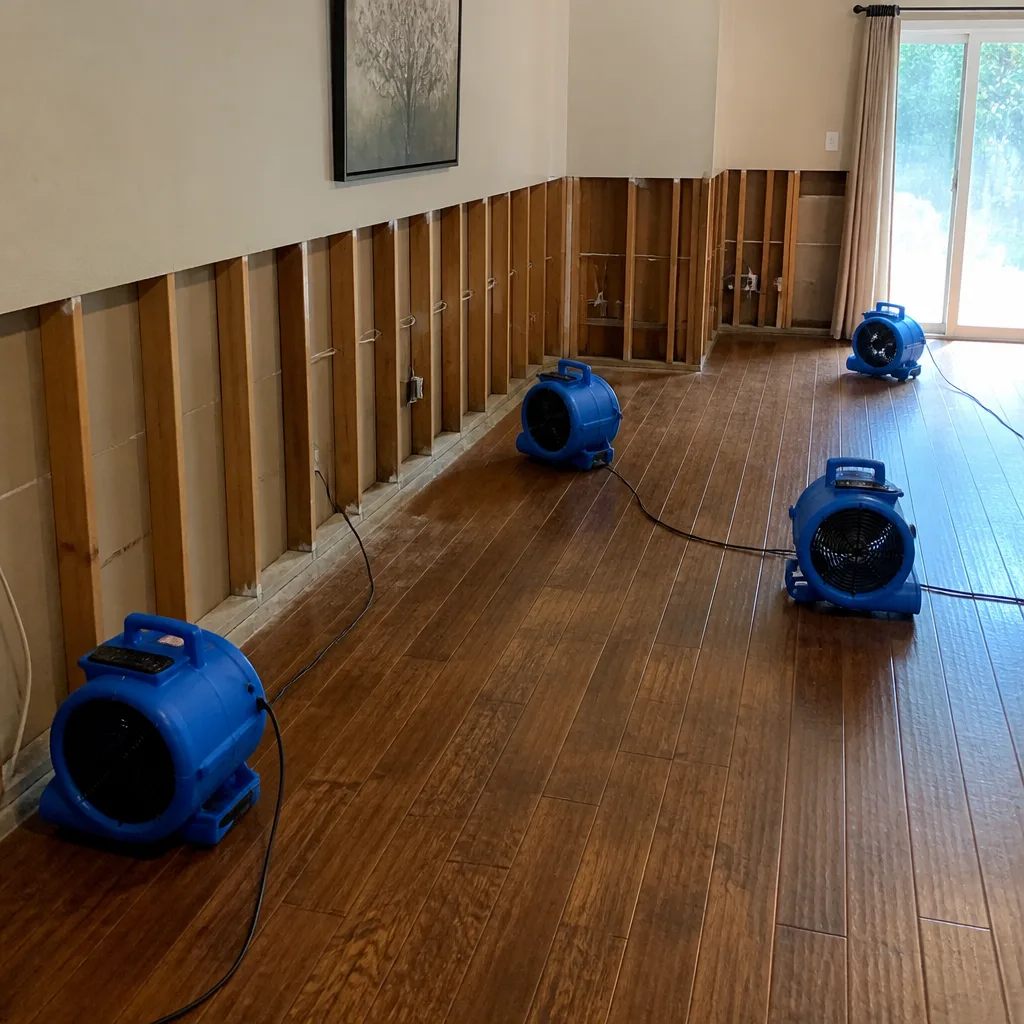 Water damage drying
 Fire & smoke cleanup
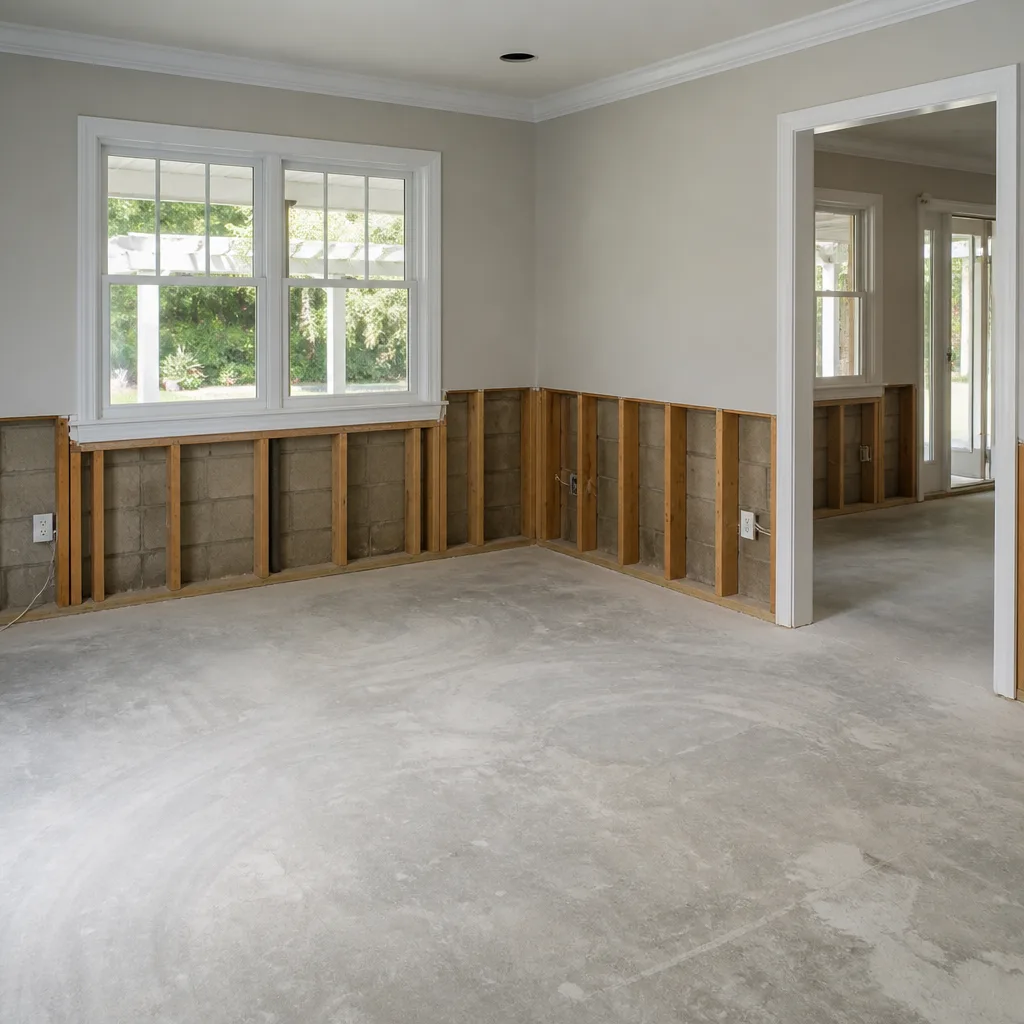 Mold remediation
 Storm response
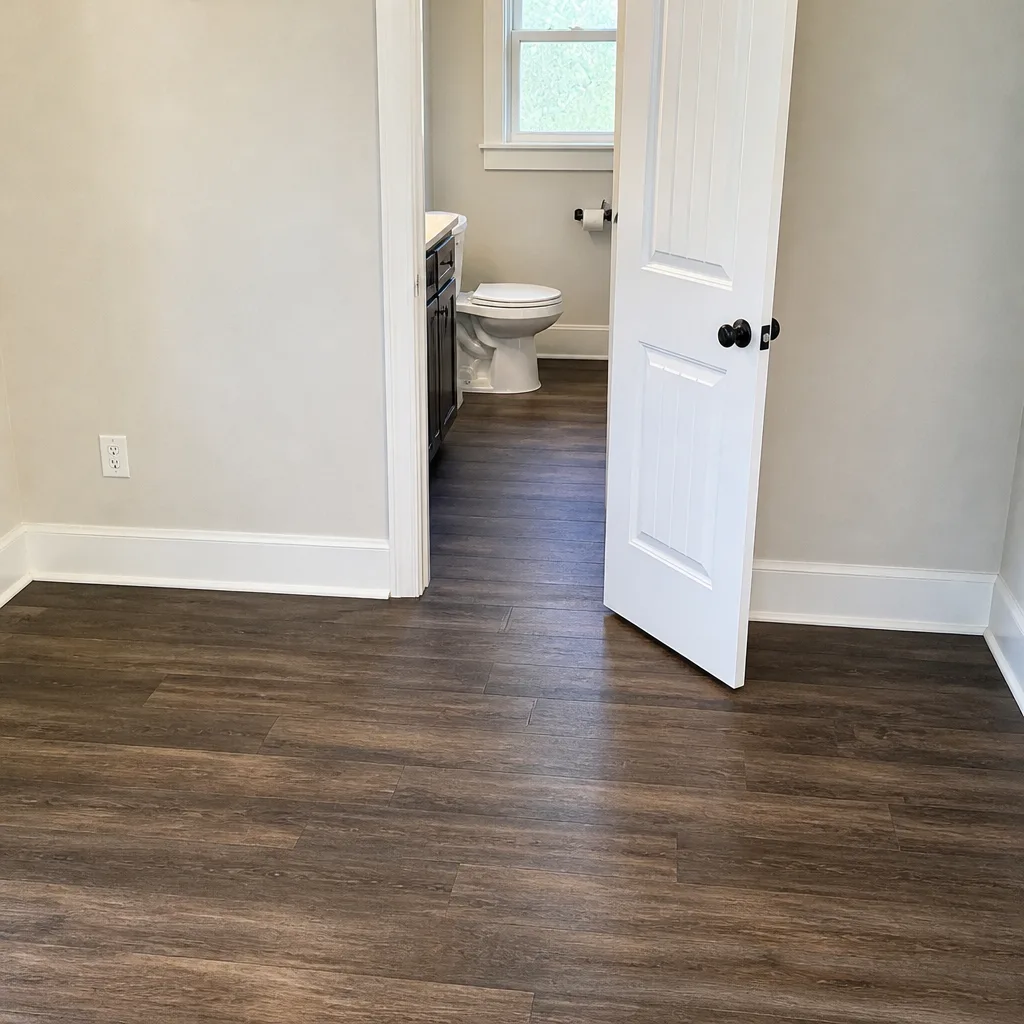 Sewage cleanup
 Reconstruction
Free visual inspection and a written scope of work before any mitigation begins - photos, moisture readings, and drying logs go in your claim file
The scope we write is the scope we bill. Anything new gets shown to you, in writing, before we touch it.
Get your free estimateDamage Restoration Warning Signs: A Miami Homeowner’s Reference Guide
The musty smell Miami homeowners often blame on “old house character” is actually measurable science: it’s microbial volatile organic compounds, or MVOCs, released by actively growing mold somewhere in your structure. By the time you can smell it, the colony has been expanding for weeks. This guide trains you to read the warning signs your Miami house is already showing you, starting with the ones you can’t see. For more guides & resources, visit our blog. We’ll walk through what each indicator means, how urgent it is, and exactly when to stop monitoring and start calling.
Restoration work we handle
Quick Answer
Water damage warning signs in a Miami home most often appear first as a persistent musty odor (MVOCs from hidden mold), followed by visible staining, bubbling paint, efflorescence on concrete, soft drywall, warped floors, and indoor humidity above 60%. Any single sign warrants investigation; two or more signs occurring together, or any sign covering more than 10 square feet, means you should call a water damage professional the same day. Not sure who to hire? Read our guide on how to hire a damage restoration contractor in Miami. In Miami’s climate, what looks like “just humidity” is frequently an active, ongoing leak inside a wall or ceiling.
Table of Contents
- The Five Sensory Warning Signs, Ranked by Urgency
- Miami-Specific Visual Patterns Non-Local Guides Miss
- The Pencil-Outline Test: One-Time Stain vs. Active Leak
- Warning Signs on Utility Equipment: What Fails First
- When “Monitor It” Becomes “Call Today”
- Measuring Moisture: The Numbers That Matter
- Documenting Damage Before You Call Anyone
- Common Mistakes to Avoid
- When to Call a Professional
- Frequently Asked Questions
- The Bottom Line
The Five Sensory Warning Signs, Ranked by Urgency
Most homeowners wait for a visible puddle before they act. That’s the last sign to appear, not the first. Your senses detect problems in a specific order, and understanding that sequence changes how early you catch a leak. Here is the ranking, from earliest warning to latest alarm.
1. Smell: Musty Odor Means Active Mold Growth
That earthy, damp smell in a closet or along a baseboard is not “old house character.” It’s MVOCs, the chemical compounds mold releases while it’s actively growing. Think of it like this: a dead mold colony doesn’t smell. A dry one doesn’t smell. If you can smell it, water is feeding mold somewhere right now. In Miami, where relative humidity rarely drops below 70%, a musty smell behind a bathroom vanity or inside a bedroom closet almost always traces back to a slow plumbing leak, a roof penetration, or condensation inside a wall cavity. Trust your nose first; it detects what your eyes haven’t found yet.
2. Sound: Dripping and Hissing Inside Walls
Stand in a quiet house for five minutes. Turn off the AC, the TV, the ceiling fans. Listen. A faint ticking sound inside a wall could be a pinhole leak in a copper or CPVC supply line. A soft hissing behind the refrigerator often means the ice maker line has a slow split. These sounds are intermittent; you’ll hear them at night when the house is quiet, not during the day. One Miami homeowner we spoke with described hearing a “kitchen timer” sound in the wall behind her master shower for three weeks before water finally stained the ceiling below. That ticking was a drain line that had separated at a PVC joint and was dripping onto the subfloor at roughly one drop every eight seconds. At that rate, she had lost about eleven gallons into the floor assembly before the stain appeared.
3. Sight: Staining, Bubbling Paint, and Efflorescence
Visible stains are the sign everyone recognizes, but most people misread what they’re looking at. A brown stain on a ceiling with a defined outer ring and a lighter center usually means a one-time event, like an overflowing tub or a roof leak during a single storm. A stain with blurred edges, multiple rings, or a yellow-brown tint indicates an ongoing leak that has already spread laterally inside the drywall. Bubbling or peeling paint on an interior wall, especially below a window or along a baseboard, means moisture is wicking upward and pushing the paint film off the surface. On Miami’s concrete block homes, white chalky deposits called efflorescence appear when groundwater wicks through the block and evaporates, leaving salt crystals behind. We’ll get into that more below, along with why it’s never just cosmetic.
4. Touch: Soft Drywall and Warped Floors
Press your thumb against the drywall below a window sill or around a shower valve. Drywall should feel rigid, like a thin sheet of rock. If it flexes, gives, or feels spongy, the gypsum core has absorbed water and is losing structural integrity. The same goes for flooring: laminate that lifts at the seams, tile that sounds hollow when tapped, or hardwood that cups at the edges. In Miami, tile installed over concrete slab can hide serious water damage for months because the tile itself is waterproof. The first sign is often a hollow sound when you knock on it, meaning the thinset bond has released due to moisture pressure underneath.
5. Measurement: Indoor Humidity Above 60% RH
A digital hygrometer costs between 12 and 30 dollars at any hardware store. If you keep one in your living area and it consistently reads above 60% relative humidity with your AC running, your home is not drying properly. Something is adding moisture to the interior air beyond what a properly functioning HVAC system can remove. Common culprits in Miami are uninsulated AC ductwork sweating in the attic, a dryer vent that has come loose, a water heater that’s slowly weeping, or groundwater wicking through the slab. A sustained indoor humidity above 60% will eventually support mold growth on organic materials like drywall paper, even with no visible leak.
Miami-Specific Visual Patterns Non-Local Guides Miss
Miami’s building stock and climate produce water damage patterns you won’t find in guides written for Atlanta or Dallas. Three patterns in particular show up in our service area constantly, and they’re almost always rationalized away by homeowners as cosmetic or structural quirks.
Efflorescence on Concrete Block Is a Chronic Intrusion Signal
In Miami, most homes built before 1980 sit on concrete block foundations and walls. When you see white, fuzzy, or crystalline deposits on an interior block wall, especially in a garage, carport, or ground-floor utility room, that’s not paint aging. It’s efflorescence, and it’s a mineral marker that water is moving through the block. Groundwater pushes dissolved salts through the porous concrete, and when the water evaporates at the interior surface, those salts remain. This tells you two things: the soil outside that wall stays wet for extended periods, and the wall is acting as a wick. Over time, that same moisture pathway will damage anything touching the block: drywall, baseboards, stored boxes, even electrical outlets. In our experience across Miami, efflorescence on an interior block wall is the single most ignored water damage warning sign in the city.
Stucco Cracks Above Windows Are Water Entry Points, Not Settling
Stucco is a rigid cementitious coating, and it cracks. Some cracking is normal settlement stress, but here’s the Miami-specific detail: cracks that radiate diagonally from the upper corners of windows and doors, or run horizontally above a window header, are frequently storm-driven water entry points. During hurricane season, wind pressures push rainwater against the facade with enough force to drive water into hairline cracks that stay bone dry during a normal rain shower. What starts as a cosmetic crack becomes an active leak during every named storm and every heavy summer downpour. If you see water staining on the interior wall directly beneath an exterior stucco crack, that crack has already opened a path into your wall cavity.
AC Condensate Staining on Garage Ceilings or Closet Ceilings
Many Miami homes route their central AC air handler through the attic or an upper-floor closet, with a PVC condensate drain line running to the exterior or to a plumbing drain. The first visible sign of a failing condensate system is often a water stain on a garage ceiling directly beneath the air handler, or a stain spreading outward from a closet ceiling. What’s happening: the primary drain line has clogged with algae and microbial sludge (a Miami constant, thanks to our heat and humidity), the drip pan has rusted through or overflowed, and water is now spilling into your ceiling cavity. This is a slow, continuous leak that runs every cooling cycle. By the time the stain is visible, the drywall and insulation above it are saturated, and the ceiling cavity has been wet for days or weeks.
The Pencil-Outline Test: One-Time Stain vs. Active Leak
Here’s a two-minute diagnostic any homeowner can do. When you find a water stain on a ceiling or wall, before you call anyone or do anything else, grab a pencil.
- Mark the perimeter. Draw a light pencil line tracing the outer edge of the stain. Put a date next to it in small letters.
- Take a photo. Stand back far enough that the stain and its context (room, wall, window) are both visible. Take a second photo from close enough that the pencil line is clearly visible.
- Wait 24 to 48 hours. Do not paint over it, do not dry it, do not touch it. Just watch.
- Check for expansion. If the stain has grown past your pencil line, you have an active, ongoing water source that is feeding moisture into that spot right now. If it has darkened without expanding, you likely still have an active leak that is saturating existing material rather than spreading. If the stain is unchanged and dry to the touch, you’re looking at a one-time event, like an overflow or a single storm-driven leak, and the damage may already be static.
One exception worth noting for Miami specifically: a stain that appears and dries within a couple of days during a storm, then reappears at the same spot during the next heavy rain, is an active roof or facade leak. The pencil test will not catch it if you only check during dry weather. Run the test over two consecutive rain events to be sure.
Warning Signs on Utility Equipment: What Fails First
Most water damage restoration calls we handle in Miami trace back to three pieces of household equipment, and each one telegraphs its failure in advance. Here’s what to watch for.
AC Condensate Drain Lines
A properly functioning AC system removes gallons of water from your interior air every day in Miami. The condensate line is a narrow PVC pipe, and in our climate it grows algae inside within a few months. Warning signs appear two to four weeks before a full overflow: water pooling around the indoor air handler unit, a gurgling sound from the drain pipe when the system cycles on, a damp dark stain on the ceiling or wall below the air handler, and a musty smell that’s stronger when the AC runs. If you see any of these, the line needs cleaning or the drain pan needs attention before the pan overflows into your ceiling.
Water Heaters
Tank-style water heaters fail in predictable stages. The first warning sign is a small ring of rust at the base of the tank, often accompanied by a wet spot that dries between heating cycles. Next comes the smell of stale water or a faint metallic odor near the unit. The final warning before a full tank blowout is a hissing or crackling sound from the tank itself, which is sediment buildup and internal pressure stress. In Miami, water heaters are often installed in garages or exterior closets where a slow leak is missed until it has damaged the adjacent drywall or flooring. A rusty base ring means the tank is compromised and needs replacement before it releases 40 to 50 gallons at once.
Washing Machine Supply Hoses
Rubber washing machine supply hoses are the single most common source of sudden, catastrophic indoor flooding. The failure precursor is visible weeks in advance: a bubble or blister on the hose exterior, cracking at the brass fitting connection, or a damp spot where the hose meets the valve. Braided stainless steel hoses last longer but fail the same way at the rubber gasket inside the connector. Check your washer hoses once a month. If you see any bulging, replace them before the next laundry load. It’s a fifteen-dollar part that prevents a five-thousand-dollar restoration.
When “Monitor It” Becomes “Call Today”
Homeowners often ask us how long they can wait before a warning sign becomes a real problem. The honest answer depends on two factors: the size of the visible affected area and how many concurrent warning signs you’re seeing.
The Size Threshold
- Under 10 square feet (roughly the size of a standard interior door), single sign, no odor: Monitor it. Run the pencil test. Check surrounding area for moisture. Document with photos.
- 10 to 30 square feet (roughly the size of a king mattress), or two signs: Call a restoration company for an assessment. You likely have hidden moisture and early mold risk. Do not cut open walls yourself; you may spread spores.
- Over 30 square feet, or any of the following: Call today. This includes any visible mold growth larger than a dinner plate, any wetness around electrical outlets, any sagging or bulging ceiling, any water that is actively running or spreading, or any confirmed sewage backup.
The Concurrency Rule
A single musty smell in a closet could be a dozen things. But a musty smell plus visible staining plus a hygrometer above 60% in the same room: that’s not three data points, that’s one confirmation. Multiple concurrent signs mean the problem is established and expanding. In Miami’s warm, humid environment, mold can colonize wet drywall within 48 hours. There is no “wait and see” window once multiple indicators are present.
Measuring Moisture: The Numbers That Matter
You don’t need professional equipment to get a baseline reading, but you do need to know which numbers are normal and which are alarm bells.
Indoor Relative Humidity
- 30% to 50%: Normal and healthy. This is the target range for occupied Miami homes with functioning AC.
- 50% to 60%: Elevated. Not an emergency on its own, but check for hidden moisture sources. If it holds here for weeks, mold risk increases.
- Above 60%: Too high. Mold can begin growing on dust, drywall paper, and fabric surfaces. Find the source or call a professional.
- Above 70%: Actively supporting microbial growth on any organic material. This is the range where restoration equipment like dehumidifiers is required, not optional.
Moisture Meter Readings on Building Materials
Professional restoration work relies on psychrometric drying, which is the study of how air temperature, humidity, and moisture content interact in a structure. Crews trained in this discipline track moisture levels in drywall, wood, and concrete daily until the materials reach their dry standard. Homeowners can buy an entry-level pin-type moisture meter for around 35 dollars and check suspect areas themselves. A reading above 15% moisture content in interior drywall is elevated. Above 20% means the material is saturated and will not dry properly without professional air movement and dehumidification. On concrete slab floors, readings above 5% (or above 80% relative humidity inside the slab) can indicate hydrostatic pressure or a broken slab leak.
This is also where professional-grade drying equipment matters. Commercial dehumidifiers and high-velocity air movers, the kind used on large commercial loss sites, remove water from materials much faster than household fans and portable dehumidifiers. Brands like Phoenix and Dri-Eaz build the equipment we run daily. A restoration company that arrives with the right machines and tracks the numbers is doing the job right; one that sets up a box fan and calls it done is not.
Documenting Damage Before You Call Anyone
This section is not about doing the work yourself-though you can read our DIY vs Professional Damage Restoration guide if you’re weighing that decision. It’s about protecting yourself before the restoration company, insurance adjuster, or remediation crew ever arrives.
- Photo the scene before anything moves. Take wide shots that establish which room and which wall, then close shots of the stain, crack, or damage. Include the pencil outline and date as described above.
- Photograph the suspected source. If you think the water heater is leaking, photograph the unit, the serial plate, and the area around the base. If it’s a roof stain, photograph the exterior roof or stucco area above it.
- Move sentimental and valuable items out of the wet zone. Photograph them before you move them, so your adjuster can see they were in the affected area.
- Shut off the water supply if you have a confirmed plumbing leak. Every homeowner should know where the main shutoff valve is. In Miami, it’s often a lever or gate valve near the water meter at the front property line or in the garage.
- Do not throw anything away until your insurance adjuster has seen it or you’ve been told in writing you can. Damaged drywall, carpet, and personal property are all evidence of the loss. Discarding them prematurely can complicate your claim.
A water damage restoration company in Miami that documents everything with before-and-after photos and works directly with your adjuster can make the claim process substantially smoother than going it alone. That’s the level of documentation we provide on every job, and it’s what most homeowners’ policies expect.
Common Mistakes to Avoid
- Painting over a water stain without fixing the source. The stain will bleed through most paint within weeks, and you’ve now hidden the visual evidence that tells a professional where the leak originates. Fix first, paint later.
- Ignoring a musty smell because it’s not visible. By the time mold is visible on the surface, the colony has been established for weeks. The smell is your earliest warning; ignoring it means a bigger remediation job later.
- Using a household fan to dry a wall that got wet from a leak. A box fan moves air across the surface but does not remove the moisture from the wall cavity. That trapped moisture is exactly where mold grows. Professional drying requires measured dehumidification.
- Assuming tile on concrete means no water damage underneath. Tile is impermeable. The concrete below it is not. A slab leak under tile can go undetected until baseboards swell, grout darkens, or flooring hollowness is felt underfoot. By then, mold and structural damage are often established.
- Waiting for your insurance company to dispatch someone. Your policy likely requires you to mitigate ongoing damage, and waiting days for an adjuster while water sits in your walls will complicate your claim. Call a Miami water damage repair company immediately after you’ve documented the scene.
- Cutting into a wall to “see what’s going on” without proper containment. If mold is present, opening a wall cavity without dust containment can spread spores throughout your home. A professional handles this with negative air pressure and proper barriers.
- Ignoring a small AC drain line stain in the garage. That stain is the overflow warning for a system that runs every single day. What’s behind that stained drywall is wet insulation, and in a Miami garage that’s a mold nursery. Treat every condensation stain as a leak until proven otherwise.
When to Call a Professional
Some situations call for a phone call, not a pencil test. Call a restoration professional the same day if you have water actively entering your home from any source; if your ceiling is sagging or bulging; if you see mold growth larger than a dinner plate; if water has spread into multiple rooms or multiple floors; if the water is from a sewage backup or flood water that may contain bacteria; or if anyone in the home has respiratory conditions, allergies, or immune system sensitivities. In Miami’s climate, ignoring these thresholds for even 24 hours can turn a localized issue into a full-home restoration. Wendell Restoration Miami offers free estimates throughout the Miami area, with a written price before any work starts and a live arrival time you can track. Call (850) 909-7064.
Frequently Asked Questions
Water damage itself is odorless; the smell comes from microbial volatile organic compounds (MVOCs) released by mold and bacteria as they actively grow on wet materials. It’s usually described as musty, earthy, damp, or like wet cardboard. If the smell is strongest near a wall, floor, or closet, the growth is likely behind or underneath that surface.
In Miami’s climate, mold spores can germinate and begin visible colonization on wet drywall or carpet within 24 to 48 hours when conditions are right. That’s why same-day mitigation is so important; every hour of delay increases the surface area that will require remediation. Professional companies like mold remediation specialists in Miami prioritize fast response because the growth window here is shorter than almost anywhere else in the country.
Household fans and open windows do not remove water from inside wall cavities, under flooring, or behind baseboards. Surface drying creates a false sense of success while hidden moisture continues to support mold growth. Professional restoration uses measured psychrometric drying with commercial dehumidifiers, air movers, and moisture meters to confirm the structure is dry throughout, not just on the surface.
A small ceiling stain is a warning sign, not necessarily an emergency. Run the pencil-outline test over 24 to 48 hours to determine if the stain is expanding. If it grows, darkens, or it feels damp or soft when pressed, call a professional. A stain that stays dry and unchanged may be from a one-time event, but you should still check the area above it for hidden moisture.
Most standard homeowners policies cover sudden and accidental water damage, like a burst pipe or an overflowing appliance. They typically do not cover gradual damage from lack of maintenance, like a slow leak that’s been ignored for months. Every policy is different. The best approach is to document the damage thoroughly, call the insurance company after you’ve mitigated active water flow, and work with a restoration company that coordinates directly with adjusters.
Call a plumber first if water is actively flowing from a supply line, fixture, or appliance, and you cannot shut it off yourself. Call a restoration company immediately after the source is addressed, or first if you’re unsure where the water is coming from. Restoration companies can often identify the source during the initial assessment and coordinate with plumbing contractors to get it fixed. In Miami, the priority is stopping the water and starting professional drying in the shortest possible window.
The Bottom Line
Your Miami home talks to you long before water damage becomes a visible emergency. The musty smell you’ve been ignoring is MVOC chemistry proving that mold is actively growing somewhere. The hollow-sounding tile, the soft drywall under the window, the white fuzz on the garage block wall, the gurgle in the AC drain line: each one is data, and together they form a pattern you can read early with the right attention. In a city where 48 hours is all the time mold needs to colonize, early detection is the difference between a localized drying job and a full restoration. Trust your senses, measure what you can, and when the threshold says call, call someone who puts the price in writing before touching a tool. For year-round prevention tips, see our Seasonal Damage Restoration Care for Miami guide. Call (850) 909-7064 for a free estimate.
Written by Blake Sorensen, Owner at Wendell Restoration Miami, serving Miami since 2006.
See the difference
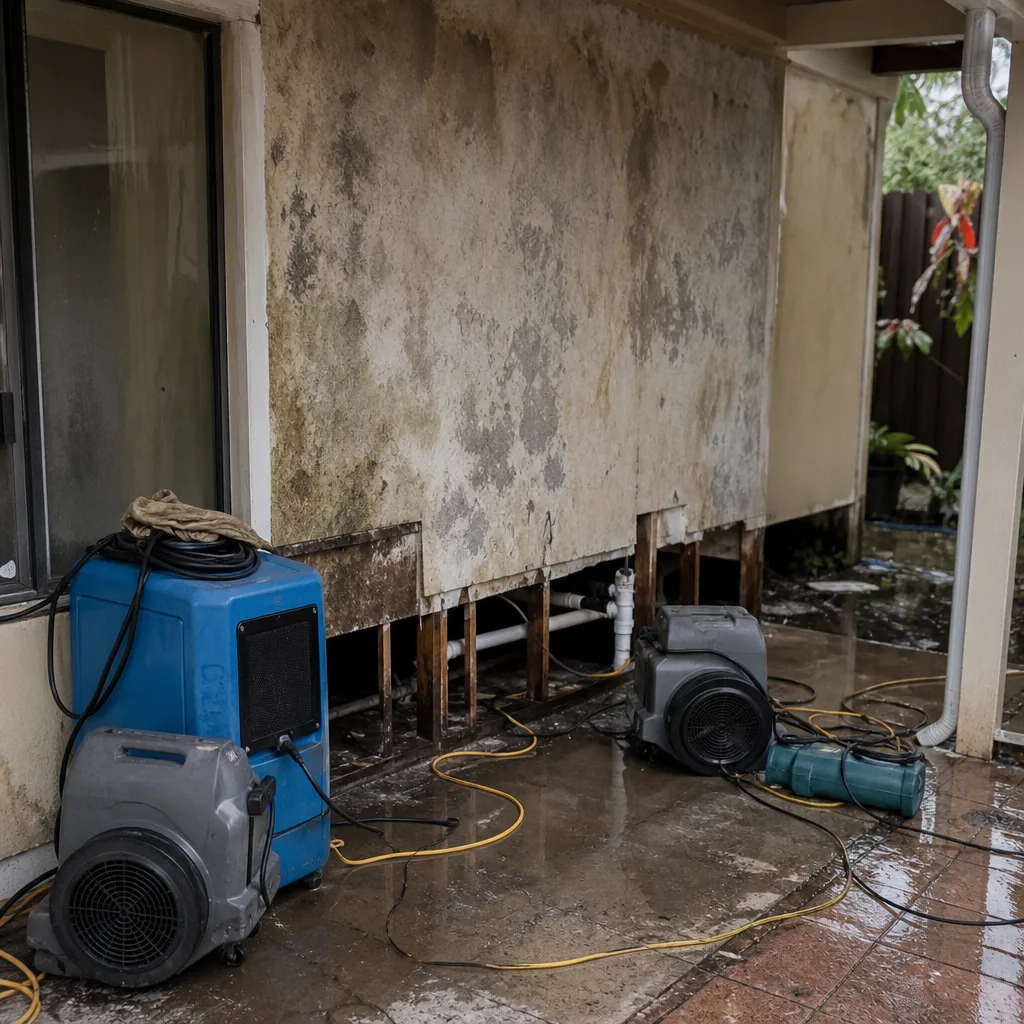 Before
 After
After Before
 After
After Before
 After
After