
Last updated October 16, 2026
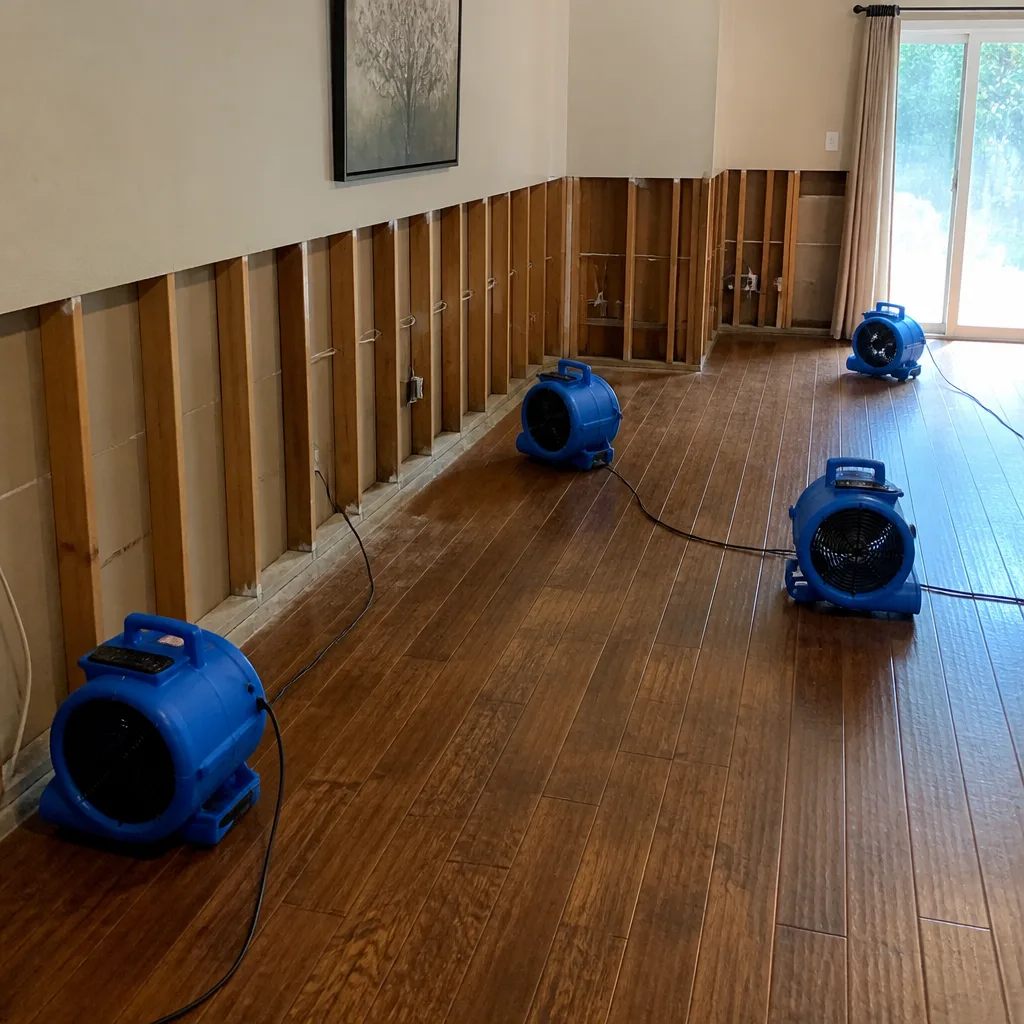 Water damage drying
 Fire & smoke cleanup
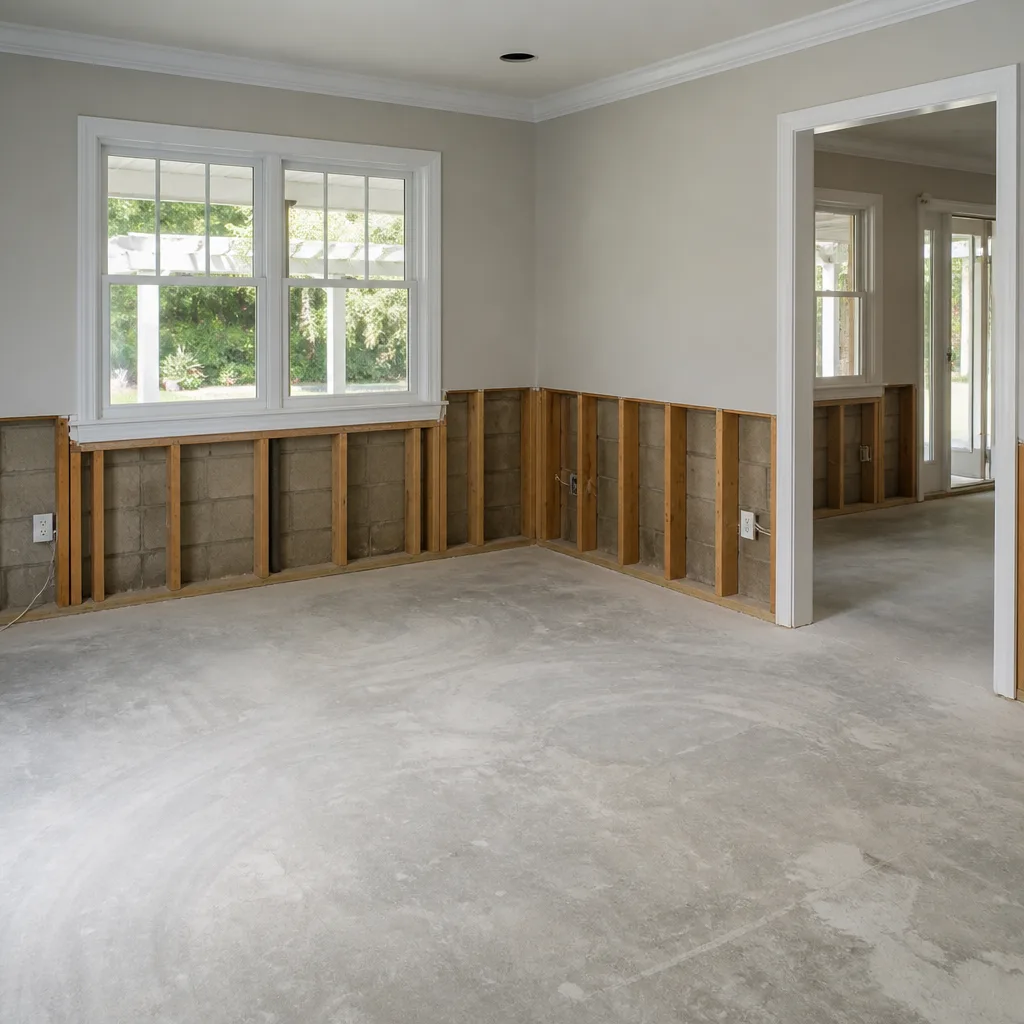 Mold remediation
 Storm response
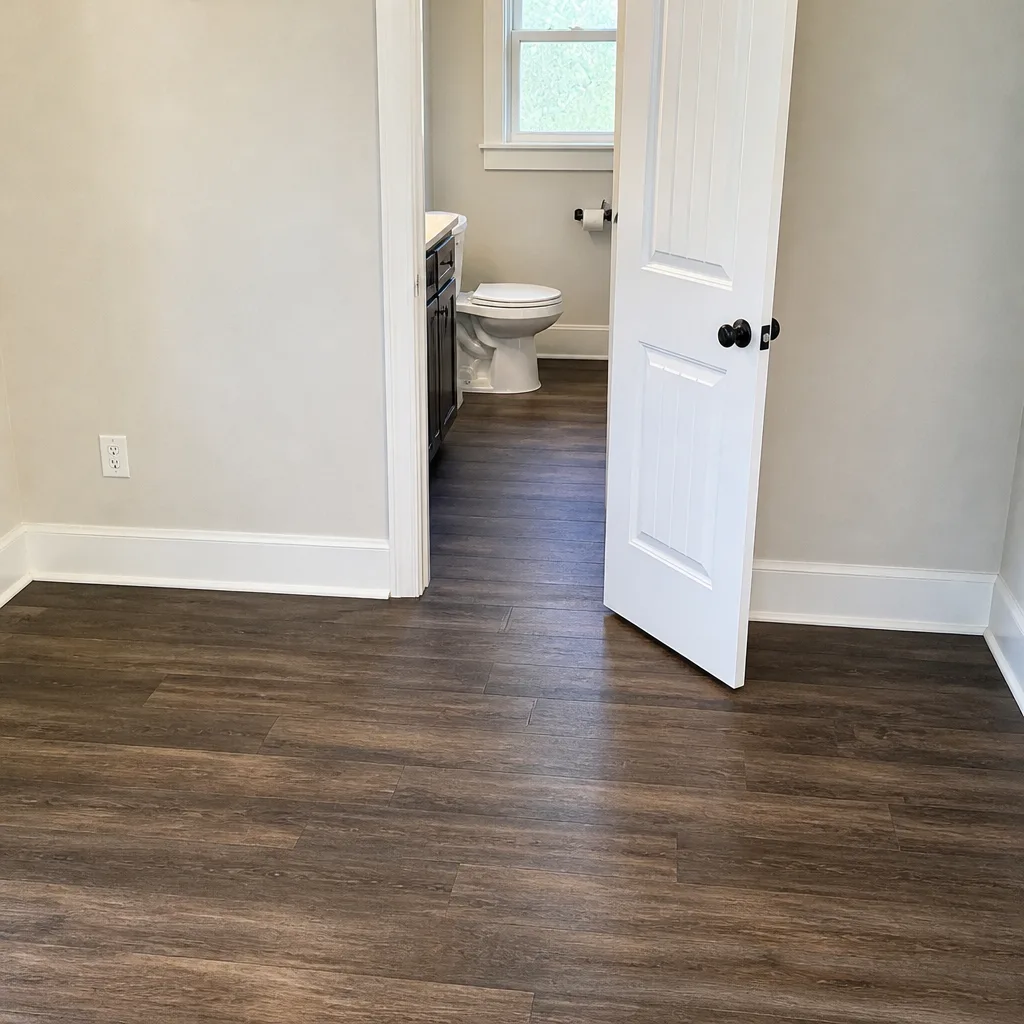 Sewage cleanup
 Reconstruction
Free visual inspection and a written scope of work before any mitigation begins - photos, moisture readings, and drying logs go in your claim file
The scope we write is the scope we bill. Anything new gets shown to you, in writing, before we touch it.
Get your free estimateSeasonal Damage Restoration Care for Miami: Year-Round Homeowner’s Guide
Miami homeowners who winterize their homes the way a northern family would are actually skipping the one seasonal task that matters most here: preparing for the dry-season pipe and AC failures that spike every January. The city doesn’t follow the four-season maintenance model that most home guides assume. Instead, Miami has two damage risk windows with completely different causes, and mixing up the prep work for each is how preventable damage becomes a five-figure restoration bill. This guide walks you through what actually fails in Miami homes, when it fails, and what to do about it before you’re standing in water. For a deeper dive, see The Complete Guide to Damage Restoration in Miami.
Quick Answer
Miami’s seasonal damage risks split into two windows: the dry season (November through April), when condensation from cold snaps stresses aging pipes and AC systems fail in heat mode, and the wet season (May through October), when saturated ground, clogged drainage, and named storms turn minor leaks into major water intrusion. The most effective seasonal preparation is not a single annual checklist but a twice-yearly reset: one in early May before hurricane season, and one in early November before the dry-season pressure shifts. Skipping either window is how small problems compound into restoration bills that run into the thousands.
Restoration work we handle
Table of Contents
- Dry Season Risks (November – April) That Surprise Miami Homeowners
- Wet Season Active Response Checklist (May – October)
- Preparing Exterior Drainage Before June 1
- The Seasonal Insurance Review: Why May and November Matter
- Post-Storm Documentation Protocol: What to Have Ready Before Damage Occurs
- What Professional Drying Actually Looks Like in Miami’s Humidity
- Common Mistakes to Avoid
- When to Call a Professional
Dry Season Risks (November – April) That Surprise Miami Homeowners
Most Miami homeowners assume the dry season is the safe season. In our experience, it’s the opposite. The dry season is when we see the highest volume of preventable water damage calls in Miami, and the causes are consistent year after year. Our Water Damage Restoration Maintenance Checklist for Miami Homeowners covers the steps that prevent these calls.
The first culprit is condensation. When a cold front pushes through South Florida, temperatures can drop 20 degrees in a matter of hours. Pipes that have been sitting in warm, humid air suddenly contract. Older copper pipes, especially in homes built before 1990, develop pinhole leaks at joints and elbows under this thermal stress. The leak starts small: a drip behind a wall, a damp spot under a cabinet, a faint musty smell. By the time a homeowner notices, the drywall is saturated and mold spores have had days to establish. This is the pattern we see across neighborhoods from Coconut Grove to Kendall every January and February.
The second dry-season failure point is the AC system. Miami homes run air conditioning nearly year-round, but when temperatures dip into the 50s, many homeowners switch to heat mode for the first time in months. Condensate drain lines that have been accumulating algae and mineral buildup all year suddenly back up. The overflow pan, which has never been tested, is rusted through or the float switch is corroded. Water spills into the closet, the ceiling below, or the attic. We respond to this exact scenario dozens of times each dry season.
The third issue is reduced vegetation. During the rainy months, grass and ground cover absorb and slow water runoff. In the dry season, vegetation dies back, soil compacts, and the ground becomes less absorbent. When a sudden downpour does hit, water moves faster across the surface and finds new paths into garages, sunken entryways, and window wells. Miami’s flat grade makes this worse: there’s almost no natural slope to carry water away from foundations.
Preventive steps for the dry season:
- Inspect visible copper pipe runs under sinks, behind appliances, and in garage ceilings every January. Look for green corrosion, white mineral buildup, or any sign of moisture.
- Test your AC system in heat mode for 15 minutes before the first real cold snap. Listen for gurgling in the drain line, check the overflow pan, and pour a cup of white vinegar down the condensate line to clear algae.
- Walk your property line after the first heavy dry-season rain and note where water pools. These are the spots that will become entry points in the wet season.
Wet Season Active Response Checklist (May – October)
Miami’s wet season runs from May through October, and it is not a passive period. The difference between a $500 drying job and a $15,000 mold remediation is often measured in hours, not days. Here is the response protocol we recommend to every Miami homeowner, broken into three time frames.
Within 24 Hours of a Named Storm
- Photograph every exterior wall, window, door, and roofline from inside and out before the storm if possible. These pre-damage photos are the single most useful documentation you’ll have when working with an insurance adjuster.
- After the storm passes, walk the entire perimeter. Look for shingle loss, soffit damage, and any gap where wind-driven rain could have entered.
- Check every window sill and door threshold from the inside. Run your hand along the drywall below each opening. If it feels cool, damp, or soft, water has intruded.
- Check the attic during daylight. Look for water stains on the underside of the roof decking, especially around penetrations like vents, skylights, and the AC chase.
- If you find any active water intrusion, shut off power to the affected area if water is near outlets, and call a restoration company immediately. Miami’s heat means mold can begin forming within 48 hours.
Within 72 Hours of Sustained Heavy Rain
- Re-check every area of the home that showed moisture in the first 24 hours. Look for new stains, bubbling paint, or a lingering musty smell.
- Check the baseboards in rooms that share a wall with plumbing fixtures. Saturated ground can shift pipes at connection points, causing slow leaks that show up days after the rain stops.
- Inspect the area around your AC air handler. High humidity during the wet season forces the system to pull more moisture from the air, and clogged drain lines overflow within 48-72 hours of sustained humid conditions.
- Run every bathroom exhaust fan and the kitchen range hood for 20 minutes. These fans vent to the exterior, and water can pool in the ductwork after heavy rain. If you hear sloshing or see water dripping from the vent, you have a problem.
Weekly Checks During a Prolonged Rainy Period
- Walk the exterior and verify that downspout extensions are still in place and discharging at least 6 feet from the foundation. Miami downpours can shift extensions or fill them with debris.
- Check the soil grade around the foundation. After weeks of rain, soil can settle and create negative drainage toward the house. You want a minimum 6-inch drop over the first 10 feet from the foundation wall.
- Look at the caulking around windows and doors. Miami’s intense UV exposure degrades caulk faster than most manufacturers’ stated lifespans, and wet-season rain exploits every crack.
- Inspect the drip edge and fascia boards. Wood that stays wet for two weeks or more begins to rot, and rotting fascia invites water into the roof deck.
For a deeper look at how we handle active water intrusion, see our guide to Water Damage Restoration in Miami.
Preparing Exterior Drainage Before June 1
Hurricane season officially starts June 1, and the most effective exterior drainage work in Miami happens before that date. Once the daily afternoon thunderstorms begin, the ground is too saturated for grading work to hold properly, and you’re already behind the water.
Miami’s flat topography, with most residential lots at less than 10 feet above sea level, means gravity drainage is a challenge everywhere from Little Haiti to Westchester. The standard solution in South Florida is a combination of three approaches: French drains for subsurface water, swales for surface water, and downspout extensions for roof runoff.
French drains in Miami need a minimum slope of 1 inch per 8 feet to function. That’s shallower than the national standard of 1 inch per 10 feet, but Miami’s high water table means the drain pipe has to move water efficiently before it saturates. Gravel without fines, wrapped in geotextile fabric, with a 4-inch perforated PVC core, is the standard we recommend. Anything less will clog within a season or two in Miami’s sandy, organic soil.
Swales, the shallow ditches that carry surface water between properties, require a minimum 2% grade in Miami. That works out to roughly a quarter-inch drop per foot. Most Miami homes built before 2000 have swales that have filled in with years of grass clippings and soil wash. Re-cutting a swale is a weekend job with a shovel and a level, but do it before June 1 when the soil is dry enough to hold its shape.
Downspout extensions are the cheapest exterior drainage upgrade you can make and the one that prevents the most water intrusion. In Miami, downspouts should discharge at least 6 feet from the foundation, and 10 feet is better if your lot allows it. Flexible plastic extensions fail quickly in South Florida’s UV and heat; rigid PVC or aluminum extensions last five to ten times longer.
For homes with existing drainage problems or recurring water in the garage or entryway, we recommend a professional grade assessment before the first named storm. A water damage restoration company can tell you where water is entering, what the fix should be, and what the repair cost looks like before you spend money on drainage work that might not solve the problem.
The Seasonal Insurance Review: Why May and November Matter
Most Miami homeowners review their insurance once a year at renewal. That’s a mistake. The two months that matter are May and November, and for different reasons.
May is the month to confirm your flood and windstorm coverage limits before hurricane season starts. Florida’s property insurance market has changed dramatically in the last five years. Insurers have reduced coverage, increased deductibles, and in some cases dropped flood coverage entirely from policies that once included it. The replacement cost of your home has also likely shifted: lumber prices, drywall, and labor rates in Miami have all moved. If your coverage limit was set three years ago, it may be 20% to 30% below actual replacement cost today. That gap comes out of your pocket after a storm.
November is the month to verify your policy still covers the damage profile you’ll face in the dry season. Pipe leaks from condensation stress, AC overflow events, and slow drainage intrusion are all covered differently by different policies. Some policies exclude water damage from gradual leaks unless you can prove the leak was sudden and accidental. Understanding these exclusions before a January pipe failure gives you the chance to adjust coverage or add an endorsement.
Ask your agent these specific questions in May and November:
- What is my current windstorm deductible, and has it changed since last year?
- What is my flood insurance limit, and when was it last adjusted for replacement cost?
- Does my policy cover water damage from AC condensate overflow or drain line backup?
- Does my policy require professional mitigation within a specific time frame after a loss? (Most do, usually 48-72 hours.)
- Is my policy written at replacement cost or actual cash value? If actual cash value, depreciation may leave you covering half the repair bill.
Post-Storm Documentation Protocol: What to Have Ready Before Damage Occurs
The 48-hour window after water damage is the most consequential period in any restoration project. Moisture that is not addressed within that window becomes a mold risk, and remediation costs rise sharply. The problem is that most homeowners spend those 48 hours on research: who to call, what to document, what their insurance covers, whether the damage is covered at all. That research time is the hidden cost of being unprepared.
Here is the documentation protocol we recommend every Miami homeowner prepare before damage occurs:
- Take a complete photo inventory of your home’s interior and exterior on a clear day. Every room, every wall, every ceiling, every appliance. Store these photos in a cloud folder your insurance agent can access. These prove pre-existing condition.
- Buy a moisture meter. A basic pin-type meter costs $25 to $40 and tells you the moisture content of drywall, baseboards, and flooring. This matters because the insurance adjuster will ask what the moisture readings were. If you can tell them the drywall in the affected room reads 35% moisture content, you’ve established the severity of the loss in objective terms.
- Keep a list of three phone numbers somewhere you can find them without your phone: your insurance agent’s after-hours line, a licensed plumber, and a water damage restoration company. If your phone is damaged, lost, or dead, this list lives on paper.
- Know your policy number by memory or write it on the same list. The first question every insurer and contractor asks is the policy number.
- Pre-identify the contractor you would call. You don’t want to be reading reviews at 3 a.m. with water running down a wall. Wendell Restoration Miami answers every call with a live person, 24/7, and provides a written price before any work starts. That’s the kind of certainty you want already established before an emergency.
For homes that have already experienced water damage and need repairs, our Water Damage Repair in Miami page covers what the repair process looks like after mitigation.
What Professional Drying Actually Looks Like in Miami’s Humidity
Miami’s ambient humidity averages 70% to 80% year-round, and that changes how professional drying works compared to drier climates. A wet floor in Phoenix dries in a day with a fan. The same floor in Miami will not dry without mechanical dehumidification, because the air itself is carrying too much moisture to absorb any more.
Professional restoration companies in Miami use psychrometric drying, which is the science of tracking air temperature, relative humidity, and moisture content to determine exactly when materials are truly dry, not just surface-dry. We deploy equipment from Dri-Eaz, Phoenix, and XPOWER: high-capacity dehumidifiers to pull moisture from the air, high-velocity air movers to create evaporation at the surface, and in some cases Injectidry systems that force dry air into wall cavities and under flooring where conventional fans cannot reach.
Under IICRC, RIA, and IFA standards, drying is not complete until moisture readings in affected materials match the dry standard for that material type. In Miami, this typically takes three to five days for moderate water intrusion, longer for saturated drywall or hardwood. Rushing the process or using consumer-grade fans from a home improvement store leaves hidden moisture in wall cavities, and that moisture becomes mold within weeks.
This is why we put a written price, a written guarantee, and before-and-after photos by text on every job. You should never have to wonder whether the drying was done right. The moisture readings tell the story.
Common Mistakes to Avoid
- Winterizing like a northerner. Miami homes do not need pipe insulation against freezing in the traditional sense. What they need is condensation management and AC drain line maintenance. Spending energy on the wrong seasonal tasks is how January pipe failures happen.
- Ignoring dry-season roof inspections. Miami’s intense UV degrades roofing materials faster than most homeowners realize. A small crack in flashing that goes unnoticed in April becomes a water intrusion point in the first May thunderstorm.
- Waiting to test the AC overflow pan until the first heat wave. By the time you find out the overflow pan is rusted through, water has already leaked into the ceiling below. Test it in November, before heat mode comes back online.
- Assuming flood insurance covers all water damage. Flood insurance covers rising water from outside. It does not cover a burst pipe, an AC overflow, or a roof leak. That coverage comes from your homeowners policy, and the terms vary.
- Relying on a shop vac for a Category 2 or Category 3 water loss. Water that has come from a toilet, washing machine backup, or outside flood water contains contaminants. Professional antimicrobial treatment is required, not optional.
- Skipping the May insurance review because you’re busy with other things. The 10 minutes it takes to call your agent is the cheapest insurance against a five-figure surprise after a storm.
- Documenting damage after the fact. Pre-damage photos and moisture baseline readings are the difference between a smooth claim and a disputed one. You cannot create this documentation retroactively.
When to Call a Professional
Some water damage is manageable with a mop and a dehumidifier, but the line where it becomes a professional job is clearer than most homeowners think. If water has touched drywall, insulation, or subfloor; if the source is a sewer line, toilet, or washing machine; if water has been standing for more than 24 hours; or if you smell a musty odor that persists after drying, the water has moved into materials that need professional treatment. Miami’s heat and humidity accelerate the timeline. Mold that takes a week to form in a dry climate can establish in 48 hours here.
Wendell Restoration Miami offers free estimates in Miami, with a written price before any work starts and a live person on the phone 24/7. Call (850) 909-7064 and we’ll have a background-checked technician out with a live arrival time you can track. You’ll get before-and-after photos by text, moisture readings in writing, and a 365-Day Done Right Promise on every repair. If it’s not done right, we make it right, in writing.
Blake Sorensen leads every project for Wendell Restoration Miami. Since 2006, we’ve been the company Miami homeowners call when water damage happens and they want a straight answer on what it costs. See our Wendell Restoration Miami home page for the full scope of what we do, or visit our Mold Remediation in Miami page if you suspect water damage has already led to a mold problem.
See the difference
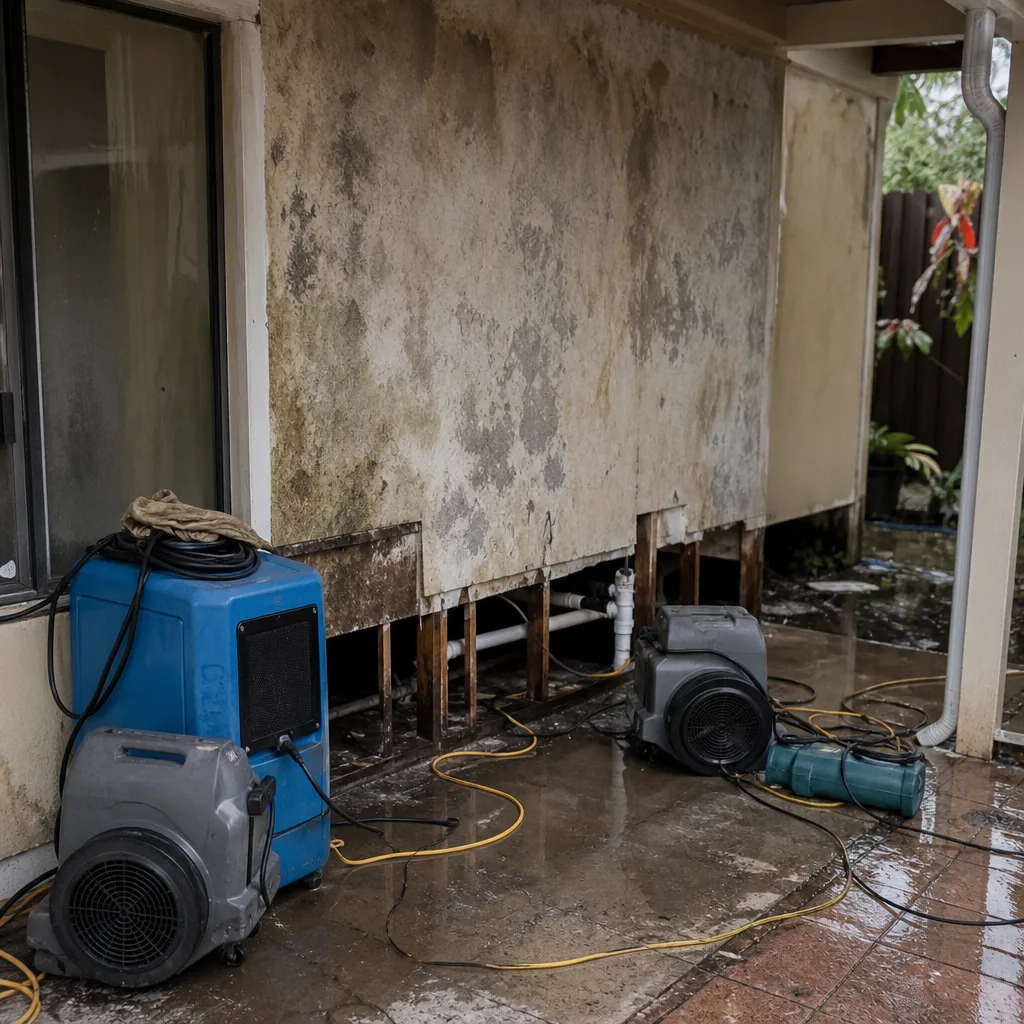 Before
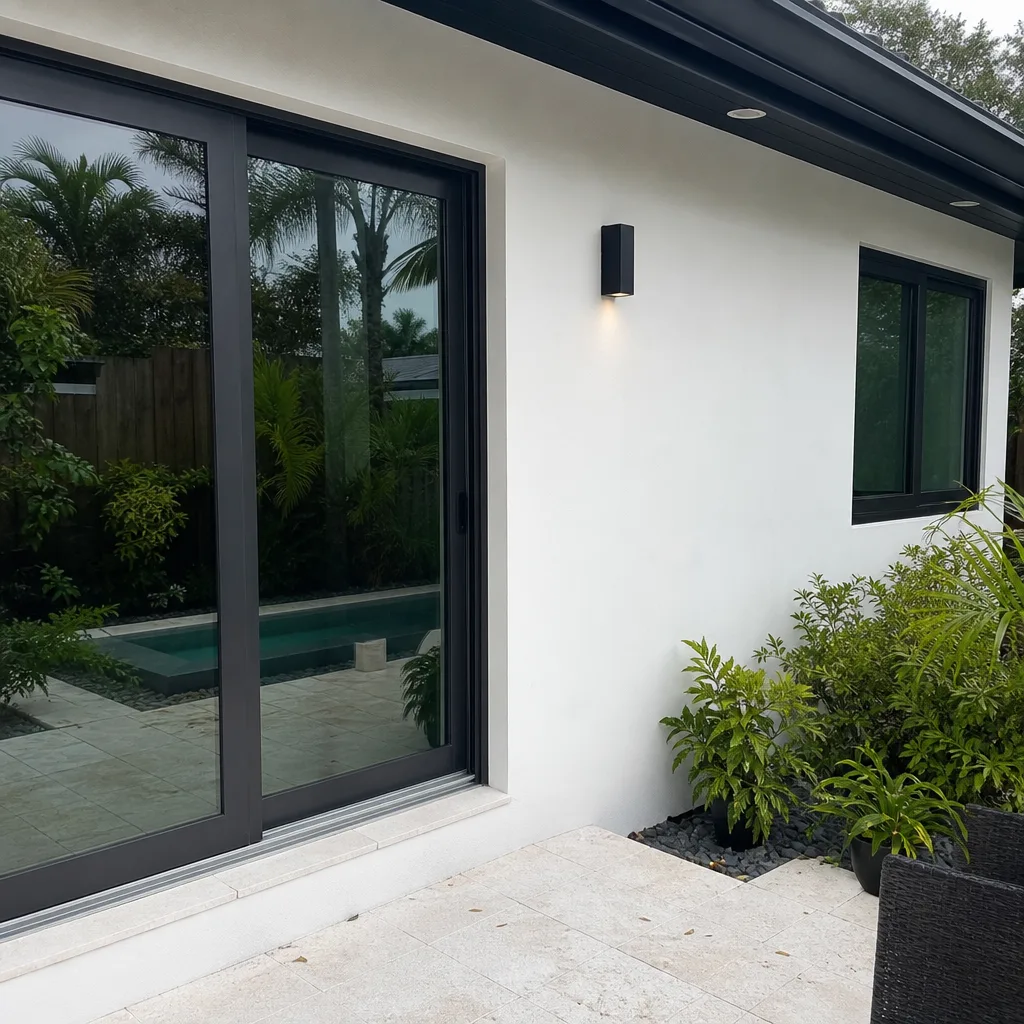 After
After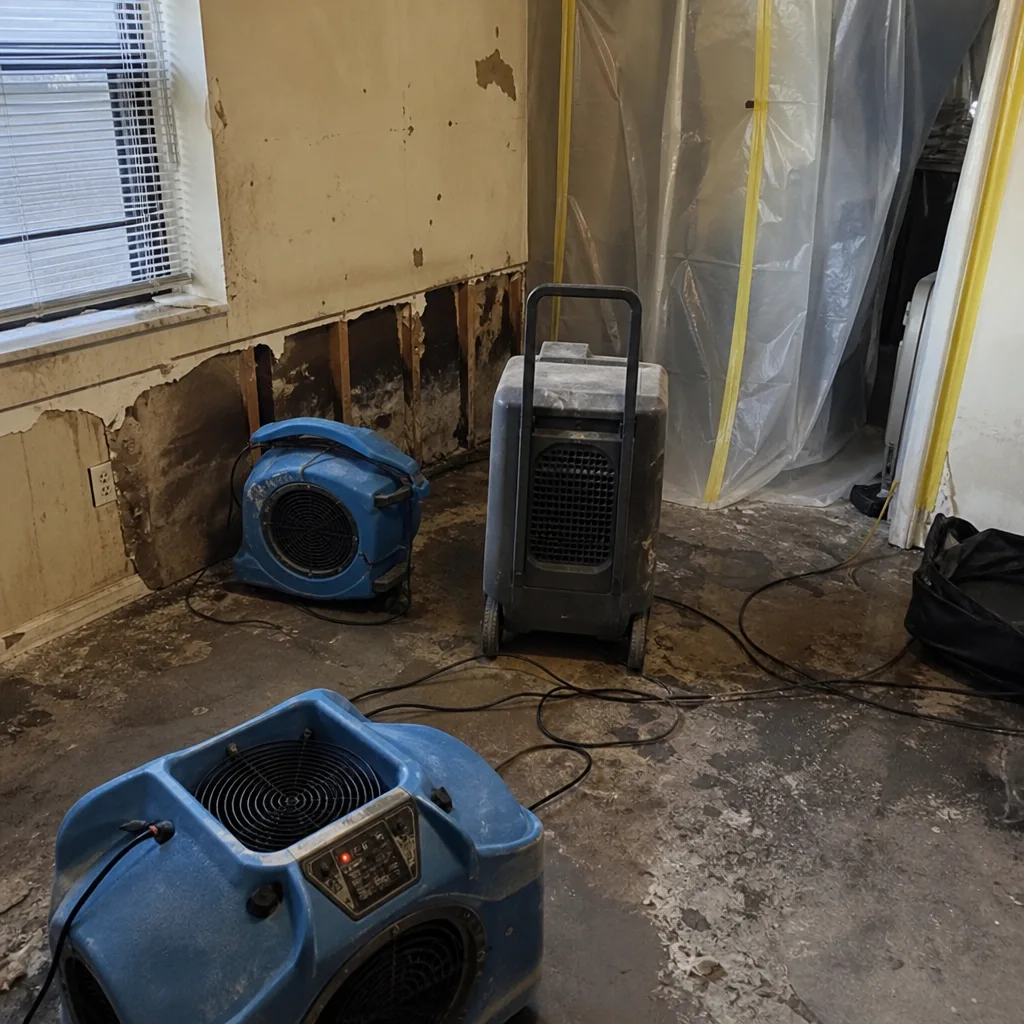 Before
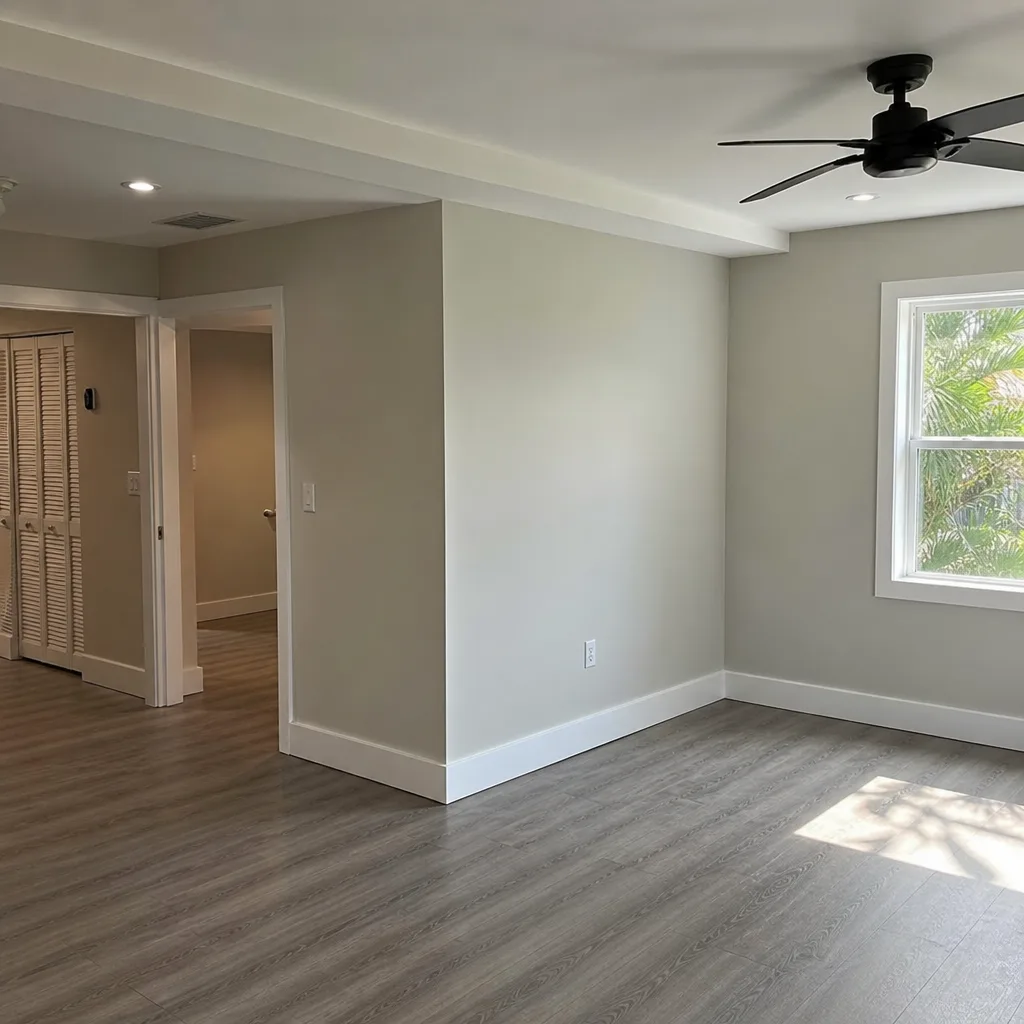 After
After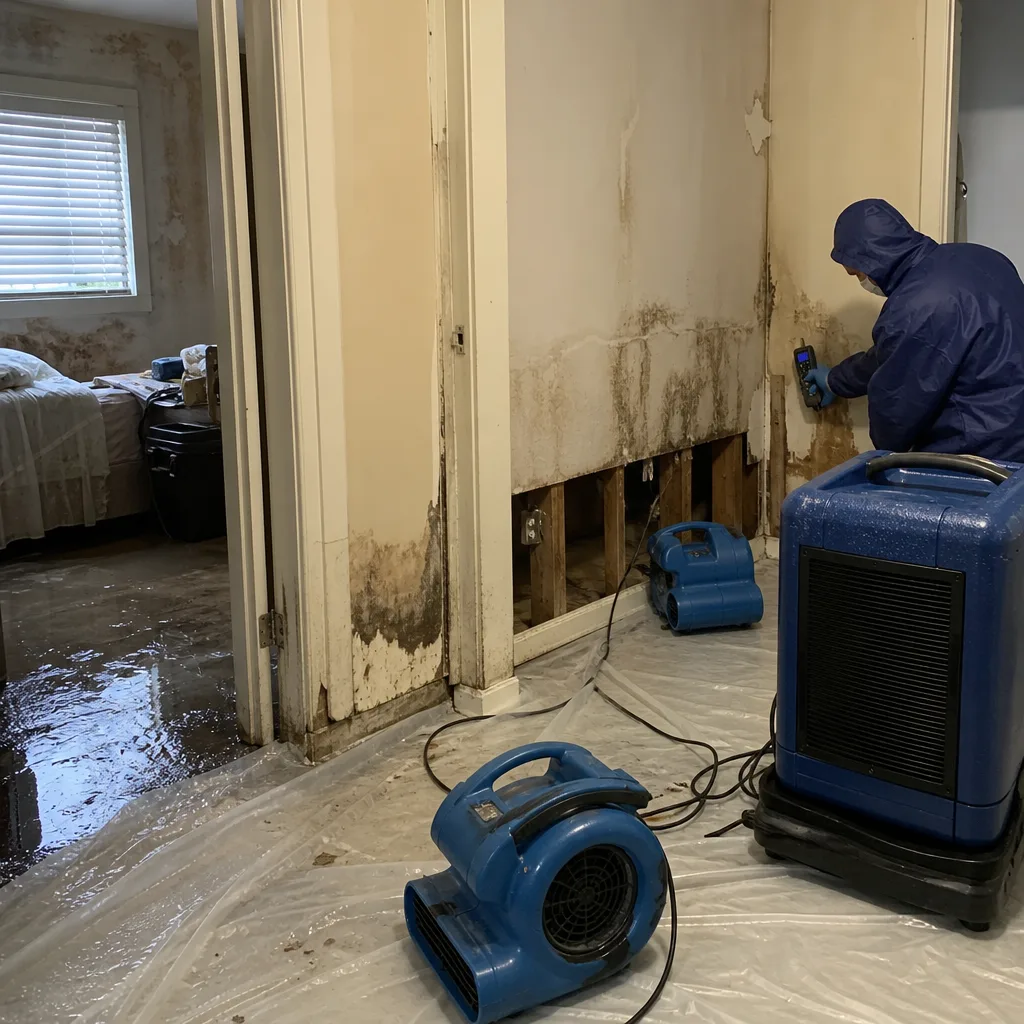 Before
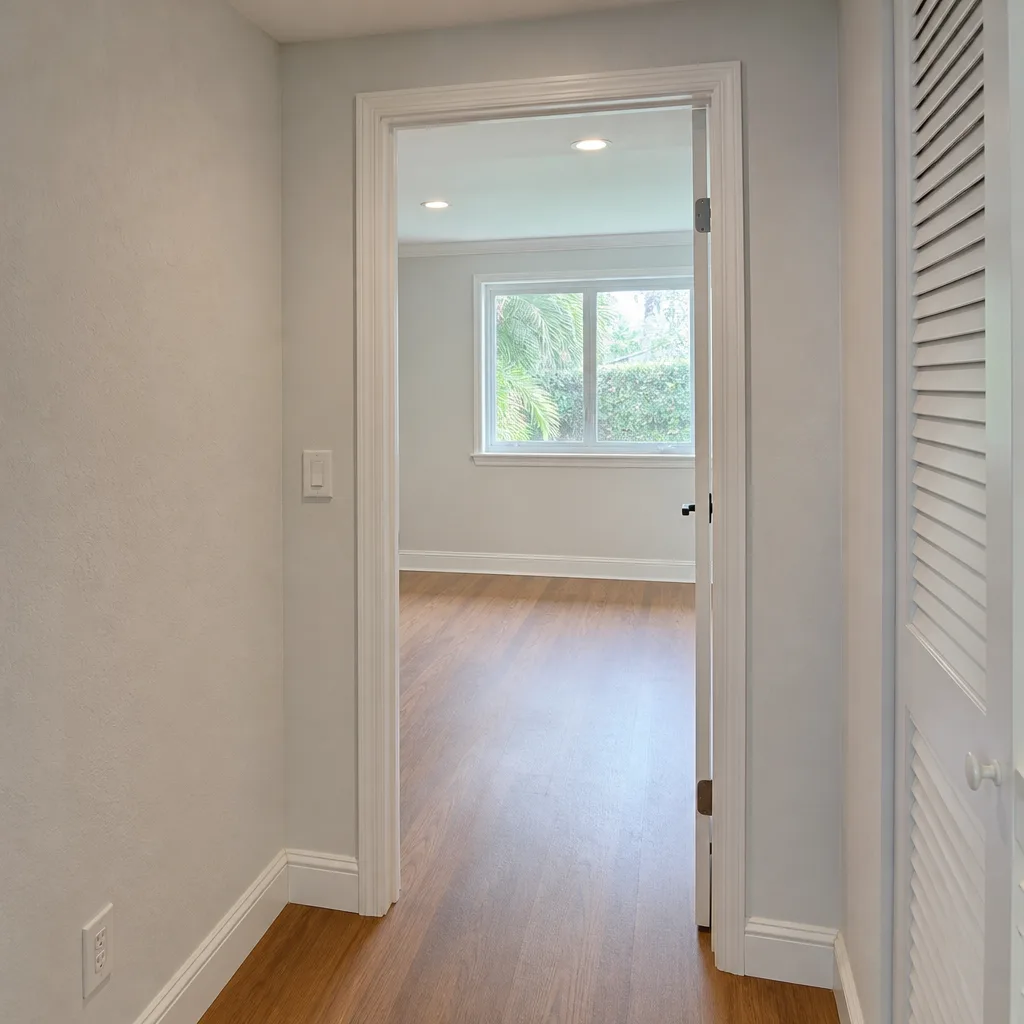 After
AfterFrequently Asked Questions
Hurricane season in Miami runs from June 1 through November 30, but the practical preparation window is May. By May 1, you should have completed your exterior drainage work, done your insurance review, and tested your AC system. Once June arrives, afternoon thunderstorms begin almost daily, and the ground becomes too saturated for effective grading work.
In Miami’s climate, the condensate drain line should be checked and cleaned every 60 to 90 days year-round. During the wet season, when the AC runs constantly and pulls enormous amounts of moisture from the air, monthly checks are appropriate. A cup of white vinegar poured down the line clears algae and mineral buildup before it becomes a clog.
Coverage for AC overflow depends on your specific policy and whether the damage is classified as sudden and accidental or gradual. Most standard policies cover sudden overflow events, such as a float switch failing during a single cooling cycle. Gradual overflow from a drain line that has been clogging for weeks is often excluded. This is exactly why the May and November insurance reviews matter.
Mold can begin forming within 48 to 72 hours after water intrusion in Miami’s warm, humid conditions. This is why professional mitigation should begin within the first 24 to 48 hours whenever possible. The longer moisture sits in drywall, insulation, or carpet pad, the more extensive and expensive the remediation becomes.
Water damage restoration is the emergency response: extracting standing water, setting up drying equipment, applying antimicrobial treatment, and preventing secondary damage like mold. Water damage repair is the reconstruction work that comes after drying: replacing drywall, flooring, baseboards, and restoring the home to its pre-loss condition. Both are covered in detail on our Water Damage Repair in Miami page.
Yes, if you live anywhere in Miami, you should carry flood insurance separately from your homeowners policy. Standard homeowners insurance does not cover rising water from outside, including storm surge, street flooding, or heavy rain that enters at ground level. Miami’s low elevation and flat topography make flooding a real risk even in neighborhoods that are not in designated flood zones.
The Bottom Line
Miami’s seasonal damage risks are not the ones most generic home maintenance guides prepare you for. The city’s two risk windows, dry season and wet season, each require specific, timely preparation that cannot be done retroactively. Dry-season pipe condensation, AC overflow events, and reduced drainage absorbency are the January surprises. Saturated ground, failed exterior drainage, and named storm intrusion are the summer threats. Twice a year, in May and November, review your insurance, test your systems, and walk your property with fresh eyes. When water does find its way in, call (850) 909-7064 and speak to a live person who will give you a written price before any work starts. For more guides & resources, visit our blog.
Written by Blake Sorensen, Owner at Wendell Restoration Miami, serving Miami since 2006.