
Last updated October 16, 2026
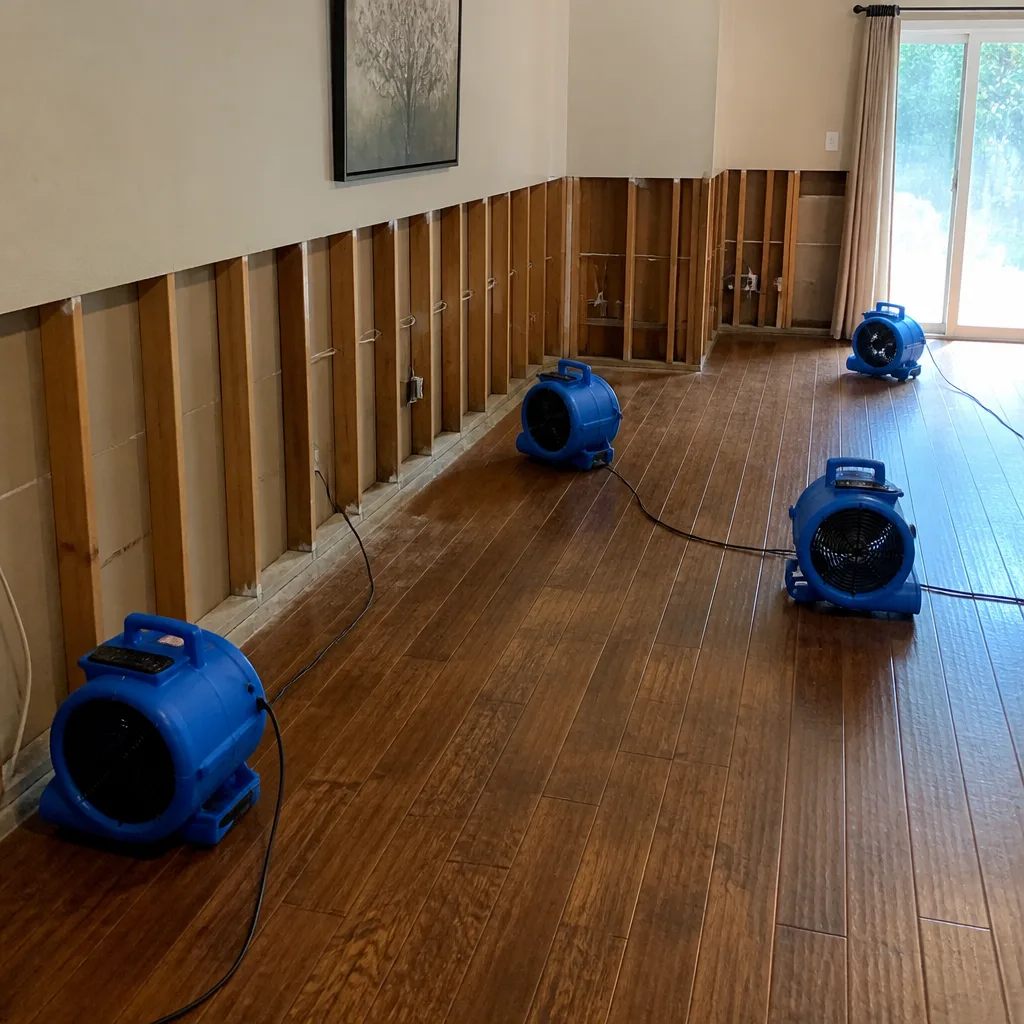 Water damage drying
 Fire & smoke cleanup
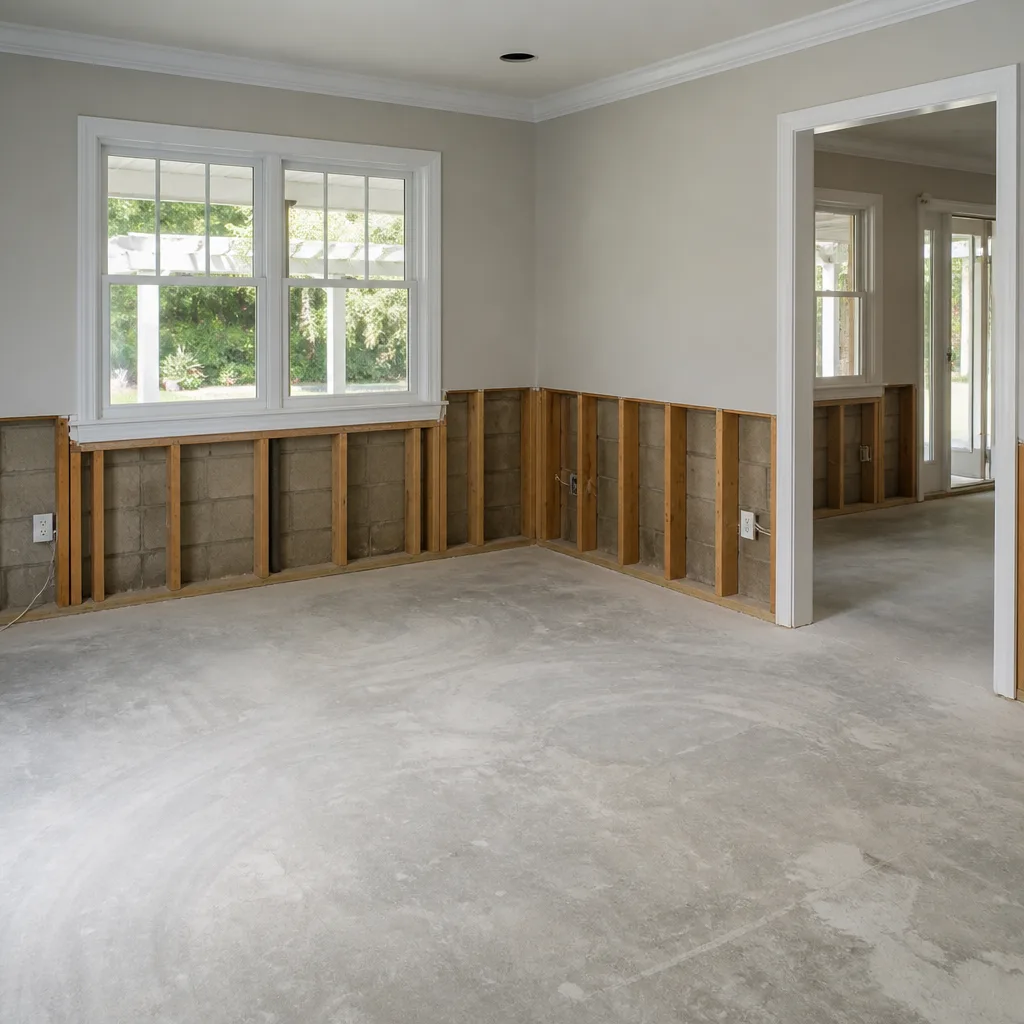 Mold remediation
 Storm response
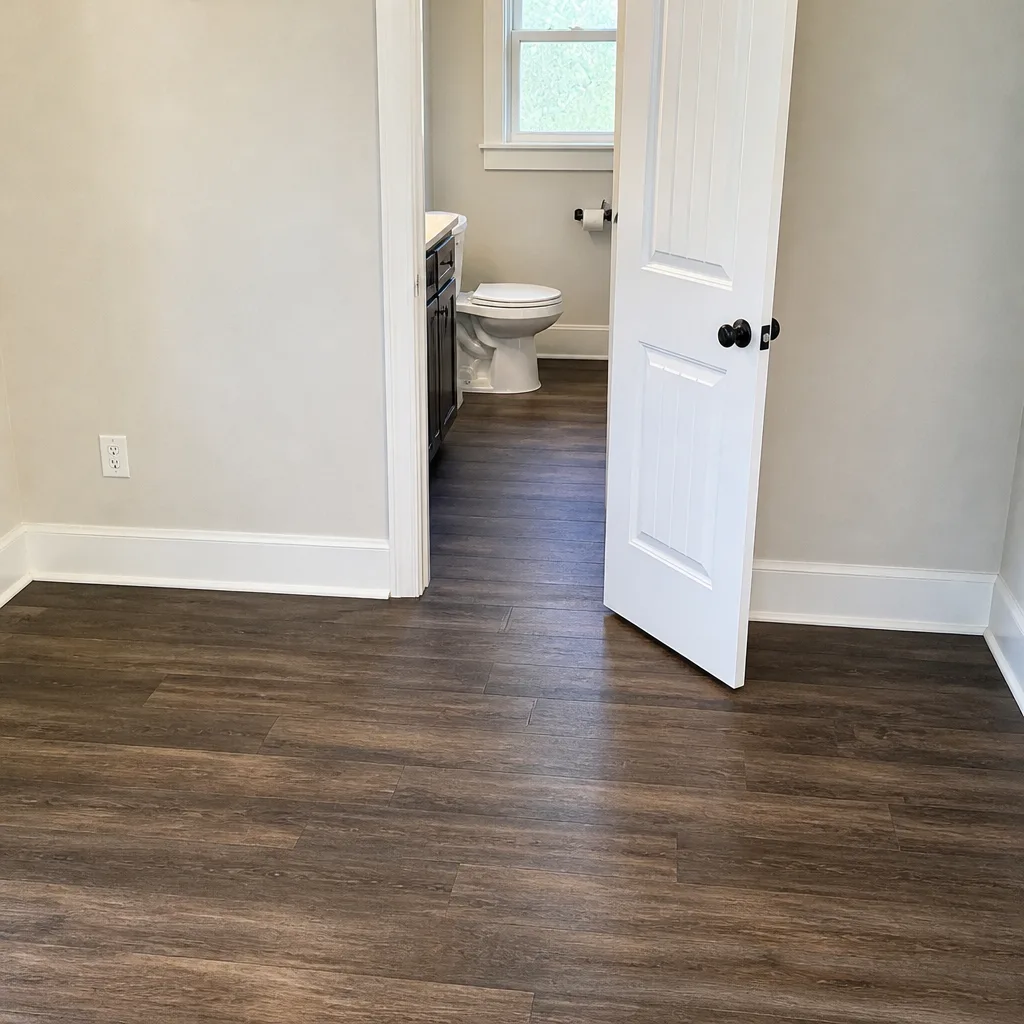 Sewage cleanup
 Reconstruction
Free visual inspection and a written scope of work before any mitigation begins - photos, moisture readings, and drying logs go in your claim file
The scope we write is the scope we bill. Anything new gets shown to you, in writing, before we touch it.
Get your free estimateHow to Hire a Damage Restoration Contractor in Miami: A Step-by-Step Guide
After Hurricane Ian tore across Florida, the state’s Department of Business and Professional Regulation fielded hundreds of unlicensed contractor complaints within the first month alone. Most came from Miami homeowners who had already handed over deposits, or worse, signed over their insurance claims before realizing they had never actually verified a license. Our Complete Guide to Damage Restoration in Miami exists so that doesn’t happen to you. We’re going to walk through exactly how to vet a damage restoration contractor in Miami in under ten minutes, what credentials actually matter, the contract terms that protect you, and the storm-chaser red flags that cost South Florida homeowners millions every hurricane season.
Restoration work we handle
Quick Answer
To hire a damage restoration contractor in Miami safely, verify their Florida state contractor license on the DBPR website in real time, confirm they employ IICRC-certified technicians rather than just listing a certificate number, and require three contract terms before any work starts: a written scope of work, a not-to-exceed price, and a photo documentation clause. Any contractor who won’t agree to those three things in writing is a red flag, no matter how convincing their pitch sounds at 2 a.m. with water still coming through the ceiling.
Table of Contents
- The Exact Florida License to Ask For (and How to Verify It in 3 Minutes)
- IICRC Certification Is a Credential, Not a License: Know the Difference
- The 3 Contract Terms That Protect You Before Work Starts
- What “Emergency Response” Actually Means: Tracking Arrival Times vs. Vague Promises
- Miami Storm-Chaser Red Flags: Out-of-State Plates, No Local Address, and Assignment of Benefits
- How Insurance Fits In: Photo Documentation and Direct Adjuster Coordination
- Questions to Ask Before Anyone Steps Foot in Your Home
- Common Mistakes to Avoid
- When to Call a Professional
- Frequently Asked Questions
- The Bottom Line
The Exact Florida License to Ask For (and How to Verify It in 3 Minutes)
Florida requires any contractor performing structural repairs or remediation work over a certain dollar threshold to hold a state-issued license through the Department of Business and Professional Regulation, or DBPR. For damage restoration work in Miami, the license type depends on the scope of the job. A water damage restoration company performing structural drying, drywall replacement, or flooring work should hold a state-certified General Contractor license (CGC), a Building Contractor license (CBC), or in some cases a Roofing Contractor license (CCC) if roof repair is involved. Mold remediation is regulated separately under Chapter 468 of the Florida Statutes, and companies performing mold assessment or remediation must hold a specific mold-related license through the DBPR.
Here is the verification process that takes about three minutes:
- Go to the DBPR website at myfloridalicense.com and select “Verify a License.”
- Search by the company name or by the individual contractor’s name. In Florida, the license is held by an individual, not the company itself, so ask for the license holder’s full name, not just a business name.
- Confirm the license is “Active” and not “Delinquent,” “Suspended,” or “Revoked.” Check the expiration date and note the license type.
- Look at the complaint and discipline history listed on the license record. Florida makes this public, and a pattern of complaints should give you pause.
We’ve seen Miami homeowners skip this step because a contractor’s website looked polished or their Facebook reviews were glowing. The DBPR check is free, takes minutes, and works from the phone you’re already holding. In a pressure situation with water creeping across the floor of your Kendall condo or a ceiling collapsing in your Coral Gables living room, that three-minute verification is the difference between a licensed professional and a guy with a pickup truck and a wet-vac from a pawn shop.
IICRC Certification Is a Credential, Not a License: Know the Difference
IICRC stands for the Institute of Inspection, Cleaning and Restoration Certification. It is the trade standard for water damage restoration, setting the protocols for structural drying, psychrometric drying (tracking the air’s moisture level so we know when your home is truly dry, not just surface-dry), and microbial remediation. But here is what most homeowners in Miami don’t realize: an IICRC certification is not a government license. It’s a professional credential held by individual technicians, not companies. A restoration company cannot be “IICRC certified” as a company. Individual technicians working for that company hold certifications like Water Damage Restoration Technician (WRT) or Applied Structural Drying (ASD).
Here’s the difference that matters when you’re hiring. Some companies will paste an IICRC logo or a certificate number on their website, but that number might belong to a technician who left the company two years ago, or it might be a certificate for carpet cleaning, not structural drying. What you want to ask is: “Who is the certified technician who will actually be on my job, and can I see their individual IICRC card?” A legitimate company employs multiple certified technicians and will tell you exactly who is coming to your home in Miami before they arrive. That is part of what we call The Relay Visibility Guarantee at Wendell Restoration Miami home – before a technician walks through your door, you know their name, what they look like, their credential status, and their live arrival time. If a company hems and haws when you ask who exactly is dispatched, treat that as a signal to move on.
The 3 Contract Terms That Protect You Before Work Starts
We’ve been doing Water Damage Restoration in Miami long enough to know that the scariest sentence in this industry is “We’ll figure out the price as we go.” That’s how a $3,000 drying job becomes a $14,000 invoice. The protection is simple: require these three terms in writing before anyone touches a tool.
- A written scope of work. This is a detailed list of exactly what will be done, room by room: what gets demoed, what gets dried, what gets treated with antimicrobial solution, and what gets rebuilt. It eliminates the “I thought that was included” phone call later.
- A not-to-exceed price. This is the ceiling. The contractor agrees that the final invoice will not exceed this amount without a written change order signed by you. No verbal approvals. No “we had to do a little extra.” If the number changes, it changes in writing, with your signature.
- A photo documentation clause. The contractor agrees to photograph the damage before work starts, during the process, and after completion, and provide those photos to you. This is non-negotiable for insurance claims. It also protects you from the contractor who claims pre-existing damage that wasn’t there.
Here’s the truth from the Mold Remediation in Miami side of this business: we put the price in writing before any work starts, and a digital invoice is texted so you can pay from a link. The number on the screen is the number you pay. Every single repair also carries our 365-Day Done Right Promise in writing: if it’s not done right, we make it right. A contractor who refuses to commit to a written scope, a price ceiling, or photo documentation is not protecting you. They’re protecting their ability to upsell an open-ended invoice later.
What “Emergency Response” Actually Means: Tracking Arrival Times vs. Vague Promises
Every restoration website in Miami says “24/7 emergency response.” Almost none of them tell you what that means operationally. Here’s what it means in practice at most companies: a call center representative takes your information and promises someone will call you back within an hour. Then a dispatcher calls and gives you a four-hour window. Then a technician calls and says traffic on the Palmetto is bad. By the time anyone shows up, it’s been six hours and the water has wicked up the drywall into your baseboards and behind your kitchen cabinets.
The standard you should demand is a live arrival time you can track, not a vague window. This is standard in rideshare apps and food delivery, and there’s no operational reason restoration can’t deliver the same thing. We do it in Miami: when you call, a live person answers. You get a specific technician, a specific arrival time, and you can track that technician’s location in real time. A four-hour window is an answer from 2012. A trackable arrival time is an answer from today. The difference matters because water damage compounds by the hour. Delay on the mitigation side means more demo, more drying time, and more money. And when water is still flowing, speed is not a luxury. It’s the single biggest factor in the final cost of the claim.
Miami Storm-Chaser Red Flags: Out-of-State Plates, No Local Address, and Assignment of Benefits
Every hurricane season, Miami gets flooded with storm chasers – out-of-state contractors who roll in with a truck, a pressure washer, and a dream of harvesting insurance money before they disappear back to Texas or Georgia. For year-round protection tips, see our seasonal guide. They are the single biggest threat to homeowners after a storm. Here are three specific red flags we’ve seen repeatedly in this market, and why each one matters financially.
Out-of-state plates. A legitimate local restoration company in Miami has local vehicles, local employees, and a local address. A storm chaser has a rental truck from Georgia and tells you they’ve “been doing this for years.” If something goes wrong with the work – and it often does – you cannot sue someone who left the state. You can’t even find them. Ask to see a Miami business address on their insurance documents and their vehicle registration. If the address is a P.O. box in another state, walk away.
No local address or a virtual office. Some national restoration brands operate in Miami through a website with no physical presence. The phone number routes to a call center in Arizona. The “technician” who shows up is a subcontractor doing piecework. When you ask who is accountable for the job, the finger-pointing begins. This is one reason every Wendell Restoration Miami location is independently owned and operated to The Relay Visibility Guarantee. You can hold someone accountable because there’s an actual local owner, not a call center script.
Assignment of Benefits requests. This is the big one. An Assignment of Benefits, or AOB, is a legal document where you sign over your insurance claim rights to the contractor. The contractor then bills your insurance company directly, often inflating the claim, and you have no control over the negotiation. Florida saw an explosion of AOB fraud after Hurricane Irma, particularly in Miami-Dade and Broward counties, and it drove insurance premiums up dramatically across South Florida. In our experience, an AOB is rarely in the homeowner’s best interest. Here’s the honest warning: do not sign an Assignment of Benefits. You can coordinate with your insurance company directly, and a good restoration company will work with your adjuster without taking over your claim. At Water Damage Repair in Miami, we provide photo documentation and direct adjuster communication, but you stay in control of your claim. That’s the way it should work.
How Insurance Fits In: Photo Documentation and Direct Adjuster Coordination
Insurance is almost always in the room when you’re talking about water damage restoration in Miami, whether it’s a burst pipe in a Hialeah condo or storm surge flooding in Brickell. Yet most homeowners don’t realize how critical documentation is until the adjuster starts asking for proof. Here’s how to position yourself to get the claim approved without a fight.
First, photograph everything yourself before the contractor arrives. Use your phone. Video works too. Walk the entire affected area. The more visual evidence of the initial condition, the harder it is for an adjuster to question the scope. Second, require the photo documentation clause we already covered. A restoration company that documents before, during, and after is not just protecting you from overselling. They’re building the exact evidence file your insurance company needs to approve the claim. Third, ask directly: “Do you coordinate with my adjuster?” The right answer is “yes, directly, and here’s how.” A company that avoids adjusters or tells you to “just handle the insurance stuff yourself” is leaving you to navigate a frustrating process alone, often with real money at stake.
One more thing Miami homeowners need to know: insurance policies in Florida commonly have a hurricane deductible that is separate from your standard deductible, and it can be 2% to 5% of your home’s insured value. That’s thousands of dollars, sometimes tens of thousands. A restoration company cannot change your deductible, but a competent one will give you the documentation and line-item detail you need to maximize your covered claim and make an informed decision about whether to file or pay out of pocket.
Questions to Ask Before Anyone Steps Foot in Your Home
When water is rising or mold is spreading, the pressure to just pick someone and get moving is enormous. Slow down for five minutes and run through these questions. Every one of them has a right answer and a red flag answer.
- “What is your Florida contractor license number?” The right answer is a number you can verify on the DBPR website right now. The red flag answer is a stall, a story about “being licensed under a different name,” or an explanation of why they’re “exempt” from licensing requirements.
- “Who is the certified technician who will be on this job, and can I see their IICRC card?” The right answer is a name, a credential, and a card. A company that employs certified technicians will tell you. One that just lists a certificate number on a website might not have anyone certified actually working for them.
- “Will you give me a written scope of work and a not-to-exceed price before you start?” The only right answer is yes. If the answer is “we don’t work that way” or “we’ll give you a price once we open things up,” you’re looking at an open-ended invoice and a dispute down the road.
- “What is your arrival time, and can I track it?” “Someone will be there in a few hours” is not an arrival time. Demand a specific time and a way to track it. Your time matters as much as theirs.
- “Will you provide before-and-after photo documentation?” Yes is the only answer. This is for your insurance claim and your own protection.
- “What warranty do you provide in writing?” A reputable company puts the warranty in writing. For every job we do in Miami, that’s the 365-Day Done Right Promise: if it’s not done right, we make it right, stated in writing on every repair, plus a free second visit if the repair fails.
Common Mistakes to Avoid
- Hiring the first company that answers the phone. In a panic, you call the first number that appears on Google. But in Miami, especially after a storm, that number might belong to a storm chaser running paid ads from a hotel room. The two-minute license check saves you from this mistake.
- Signing an Assignment of Benefits without understanding it. AOBs are not inherently evil, but they are frequently abused in Miami-Dade County. You are handing a third party control over your insurance payout. Read it. Better yet, don’t sign it.
- Accepting a verbal estimate. A verbal estimate is worth the paper it’s printed on. In this industry, if it’s not written, it doesn’t exist. Get the scope, the price, and the timeline on paper before work starts.
- Not asking about drying equipment brands. Professional-grade equipment from manufacturers like Dri-Eaz, Phoenix, XPOWER, and B-Air matters because these are the tools that actually dry a structure properly. A contractor showing up with Home Depot fans and a dehumidifier they bought at a big-box store is not doing the same job. The equipment brands are a shorthand for the professional standard being applied.
- Treating mold as a DIY project. Miami’s heat and humidity mean mold grows fast – sometimes within 24 to 48 hours of water exposure. But scrubbing visible surface mold with bleach doesn’t solve the problem; it can actually spread spores, and disturbing mold without proper containment is a health risk. A proper Mold Remediation in Miami requires containment, HEPA filtration, and IICRC protocol. If there’s mold, call a professional.
- Waiting to call because “it’s late” or “it’s the weekend.” Water damage never waits for business hours, and neither do the people who actually answer phones. Every hour of standing water in a Miami home increases the restoration cost and the chance of permanent structural damage or mold. The right company answers live at 2 a.m. And the good ones mean it.
When to Call a Professional
Call a professional restoration contractor immediately if you have standing water, water seeping through walls or ceilings, water that has been present for more than a few hours, or any visible mold growth larger than a small patch. Also call if your home in South Florida has experienced a sewage backup, a roof leak after a storm, or any flooding that soaked carpet, drywall, or cabinetry. The water you can see is always a fraction of what is trapped in the building materials behind it. Wendell Restoration Miami offers free estimates in Miami – call (850) 909-7064 for a straight answer about your situation, and a live person will pick up the phone any time of day or night.
Frequently Asked Questions
Water damage restoration in Miami typically runs between $3 and $7 per square foot for drying, with full restoration ranging from $3,000 to $12,000+ depending on the extent of damage and whether mold remediation is required. Professional drying equipment and IICRC protocol are not line items you should skip; a company that underbids is often someone who doesn’t actually dry the structure. Call (850) 909-7064 for an exact quote – estimates are free.
A legitimately staffed company can have a technician at your door in Miami in under 90 minutes in most neighborhoods – Brickell, Kendall, Coral Gables, Little Havana, Wynwood – if they actually operate locally. Vague “we’ll be there sometime today” language is a red flag. Demand a specific arrival time and a way to track it.
This depends on the water category. Clean water from a burst supply line may only require drying and surface cleanup. Gray water from a washing machine overflow or dishwasher leak requires antimicrobial treatment in addition to drying. Black water from sewage requires full remediation. A good contractor will explain which category you’re in and why, with a written scope reflecting that decision. Call (850) 909-7064 and ask for a straight answer, not a sales pitch.
Most Florida homeowner policies cover sudden and accidental water damage, like a burst pipe, but not gradual leaks or flood damage from rising water, which requires a separate flood policy. Storm surge from a hurricane typically falls under flood insurance, not homeowner’s. The key to getting a claim approved is photo documentation and a restoration company that coordinates directly with your adjuster.
Go to myfloridalicense.com, search by the contractor’s individual name or the company name, confirm the license is active and not delinquent, and review any complaint history. This takes about three minutes on your phone and is the single fastest way to filter out unlicensed operators in Miami.
An Assignment of Benefits is a legal document transferring your insurance claim rights to a contractor, who then bills your insurer directly. After waves of AOB abuse in Miami-Dade and Broward counties drove insurance rates up significantly, our advice is simple: don’t sign one unless an attorney you trust has reviewed it. A professional restoration company will work with your adjuster without requiring you to surrender control of your claim. Call (850) 909-7064 and we’ll walk you through how it works.
The Bottom Line
Hiring a damage restoration contractor in Miami is a pressure decision, but pressure doesn’t mean you have to skip verification. Check the Florida DBPR license in real time. Confirm the individual technician who shows up holds IICRC credentials – not just a logo on a website. Require a written scope of work, a not-to-exceed price, and a photo documentation clause before work begins. Watch for the storm-chaser warning signs: out-of-state plates, no local address, AOB pressure. And if you want the process to work the way it should, call Wendell Restoration Miami – we’ll answer the phone, give you a written price before any work starts, and send a background-checked, uniformed technician with a live arrival time you can track. For more guides & resources, visit our blog. That’s what hiring a professional is supposed to feel like.
Written by Blake Sorensen, Owner at Wendell Restoration Miami, serving Miami since 2006.
See the difference
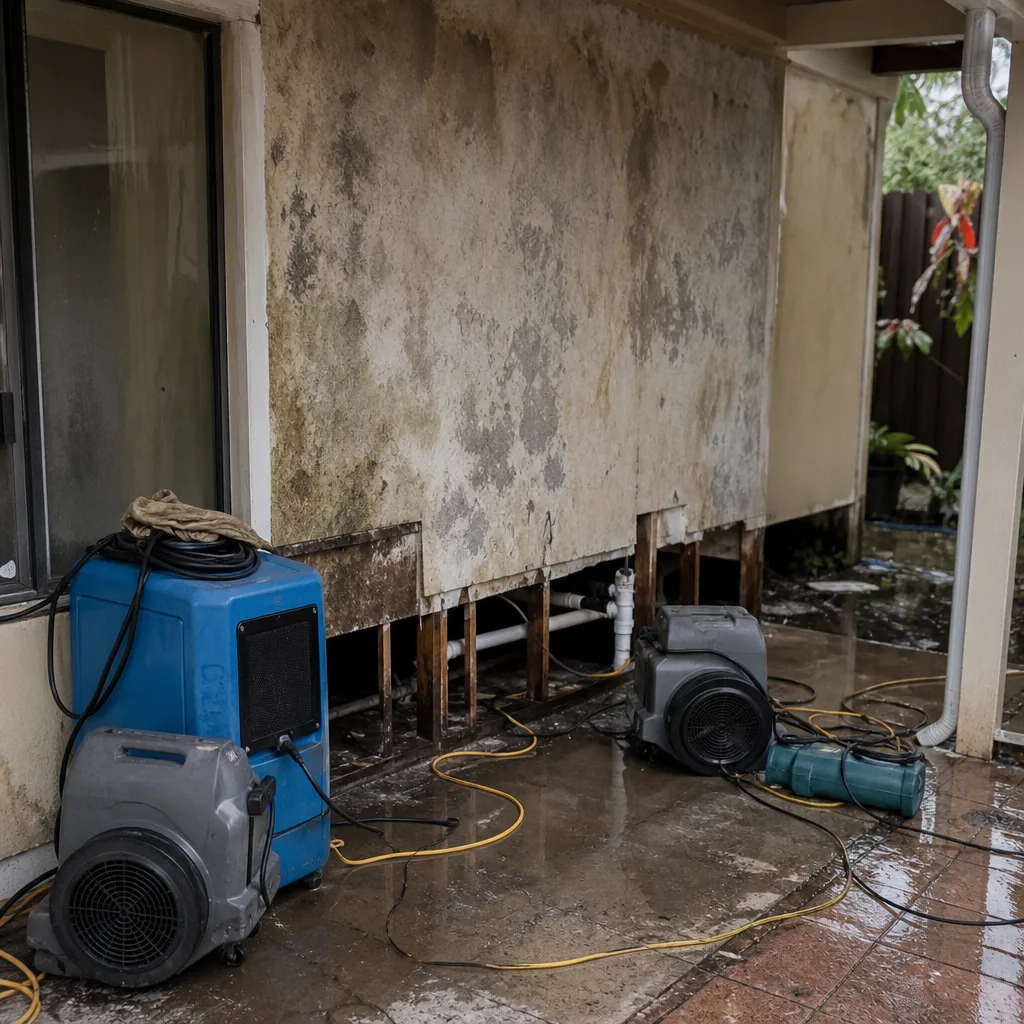 Before
 After
After Before
 After
After Before
 After
After