
Last updated October 16, 2026
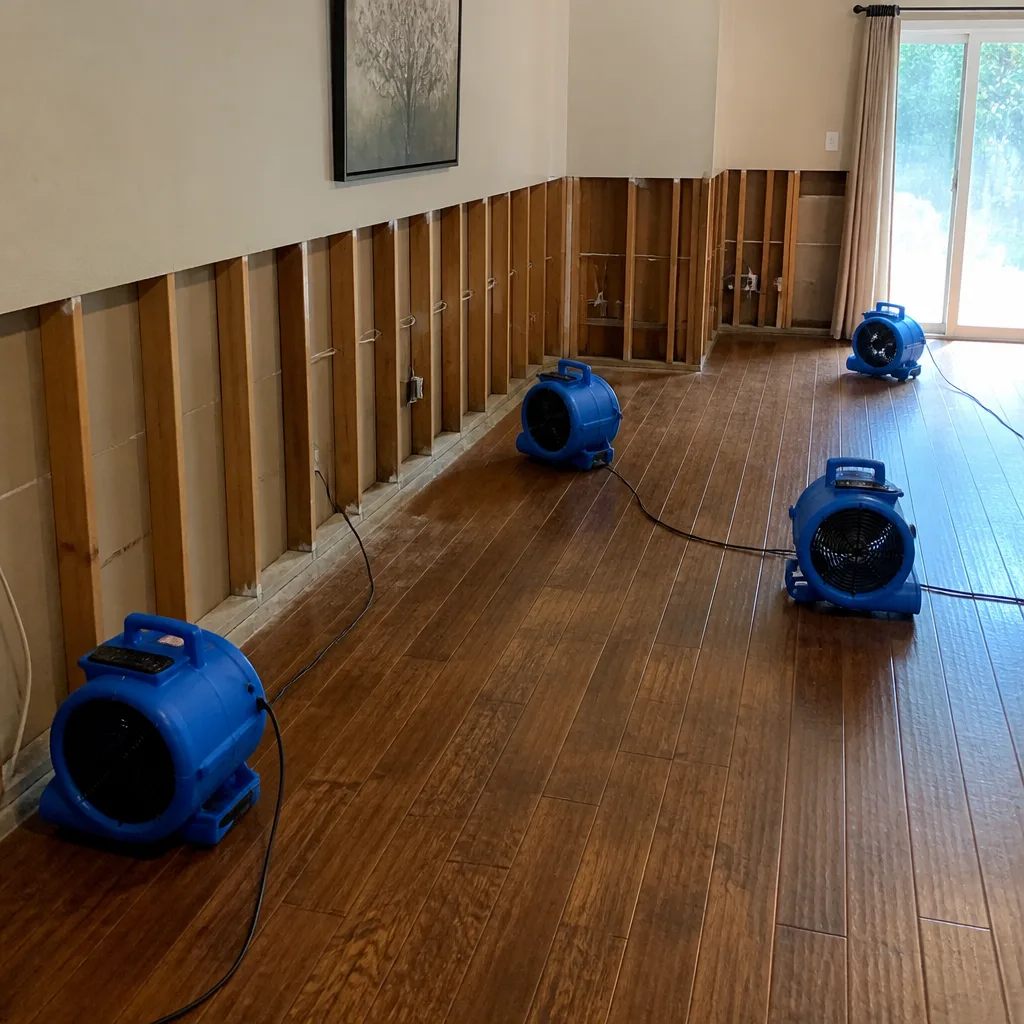 Water damage drying
 Fire & smoke cleanup
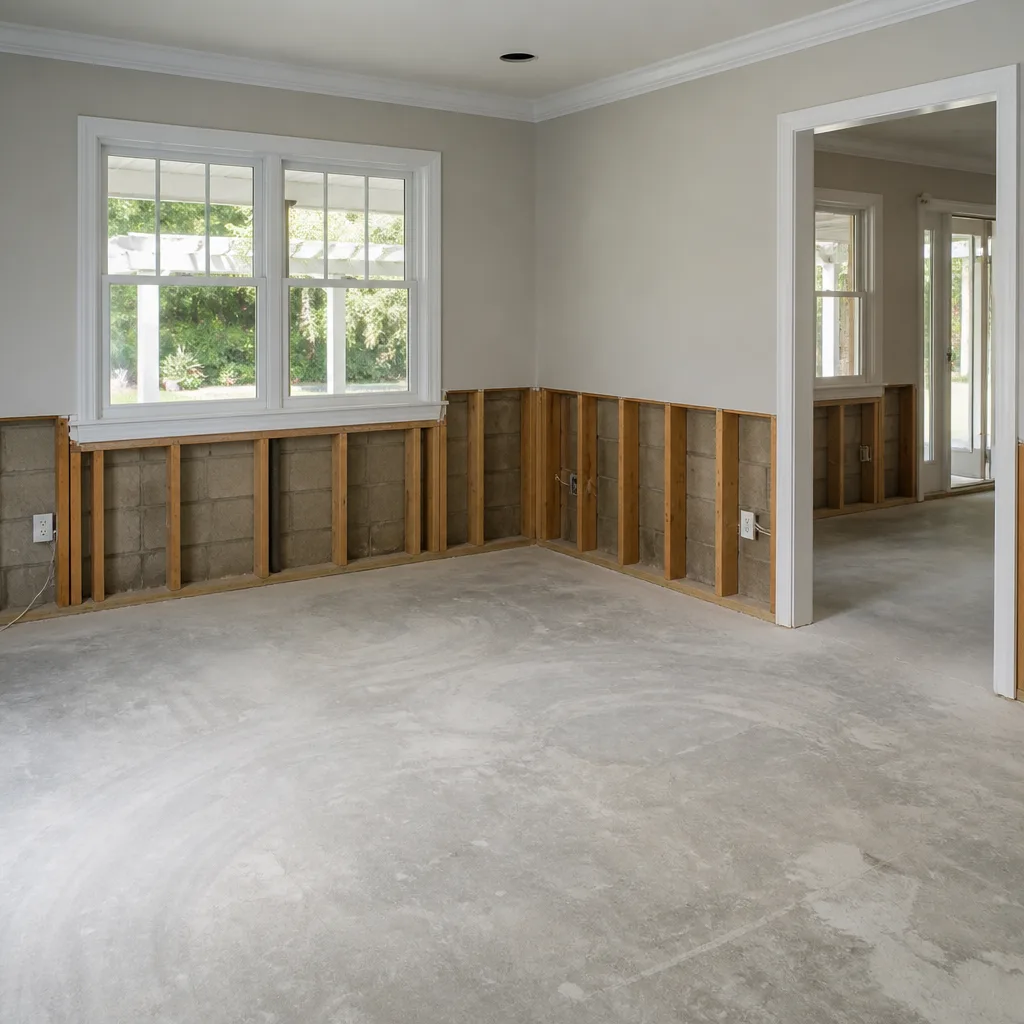 Mold remediation
 Storm response
 Sewage cleanup
 Reconstruction
Free visual inspection and a written scope of work before any mitigation begins - photos, moisture readings, and drying logs go in your claim file
The scope we write is the scope we bill. Anything new gets shown to you, in writing, before we touch it.
Get your free estimateDamage Restoration Cost Breakdown: The Miami Homeowner’s Reference for 2026
Here’s a number most national cost guides won’t tell you: the cheapest water damage restoration quote in Miami is usually the most expensive outcome you’ll ever sign off on. We see it every month. A homeowner takes a $1,400 bid for a job that should cost $4,000. Three months later, they’re calling us because the baseboards are swelling again and there’s a musty smell behind the drywall. The underbid contractor skipped the drying verification step, the moisture never actually left the wall cavity, and now the job costs double after mold set in. This guide explains what restoration actually costs in Miami in 2026, why those numbers are higher than national averages, and how to read a quote so you don’t get burned twice.
Restoration work we handle
Quick Answer
Water damage restoration in Miami typically runs $3,500 to $9,000 for a moderate single-room event in 2026, with most jobs landing around $5,200 when professional drying, antimicrobial treatment, and basic rebuild are included. Emergency extraction alone costs $800 to $2,200, structural drying adds $1,200 to $3,400, and rebuild work starts around $1,500 for trim and drywall replacement. Pricing runs 15 to 25 percent above the national average because Miami’s humidity forces longer drying cycles, local labor markets are tight, and HVHZ building codes require stricter materials compliance.
Table of Contents
- Line-Item Cost Breakdown: The Four Restoration Phases
- Why Miami Jobs Carry a Humidity Surcharge
- How Equipment Costs Are Legitimately Billed
- Insurance vs. Out-of-Pocket: The Coverage Split
- Why a Written Not-to-Exceed Price Predicts Invoice Accuracy
- Miami-Specific Cost Drivers Most Guides Skip
- Common Mistakes to Avoid
- When to Call a Professional
- Frequently Asked Questions
- The Bottom Line
Line-Item Cost Breakdown: The Four Restoration Phases
Every water damage restoration job in Miami follows the same four-phase structure, whether it’s a burst supply line in Coral Gables or a storm surge intrusion in Coconut Grove. Understanding these phases separately matters because each one carries its own pricing logic, and a quote that lumps them together hides the details you need to compare fairly.
Phase 1: Emergency Water Extraction
- Miami price range: $800 to $2,200 per room
- What’s included: truck-mounted extraction, portable extractor backup, standing water removal, disposal of unsalvageable saturated materials like carpet pad
- What drives the price: water category (clean Category 1 water costs less to handle than Category 3 sewage), square footage of standing water, accessibility, and whether contents need moving before extraction starts
In our experience across Miami, extraction is the phase where price differences are most legitimate. A 400-square-foot living room with an inch of clean water from a supply line break might run $900. That same room with Category 3 water from a sewer backup nudges past $2,000 because the crew needs full PPE, containment, and contaminated material disposal. Anyone quoting under $500 for sewage extraction in Miami is either cutting safety corners or planning to bill you later for what the quote left out.
Phase 2: Structural Drying
- Miami price range: $1,200 to $3,400 per affected area
- What’s included: LGR dehumidifiers, high-velocity air movers, wall cavity drying systems, daily moisture readings, psychrometric monitoring
- What drives the price: number of equipment days, ambient humidity conditions, material type (tile-over-concrete dries faster than drywall over wood framing), and how quickly the water was discovered
Structural drying is where Miami’s climate bites hardest. Psychrometric drying means tracking the air’s moisture level so we know when your home is truly dry, not just surface-dry. In a 74 percent ambient humidity environment, water simply leaves materials more slowly. A wall cavity that dries in 3 days in Phoenix takes 5 or 6 days in Miami Beach. That’s why you’ll see “equipment days” as a line item, and why legitimate Miami drying estimates include more of them than a national cost guide might suggest.
Phase 3: Antimicrobial Treatment
- Miami price range: $400 to $1,800 per affected area
- What’s included: EPA-registered antimicrobial application to all affected surfaces, fogging of wall cavities, HVAC sanitization when applicable
- What drives the price: surface area treated, whether wall cavities are accessible, whether the HVAC system circulated contaminated air, and whether mold is already present
This is the phase underbid contractors skip entirely. It’s also the phase that determines whether you get a callback in 90 days. Antimicrobial treatment in a humid climate like Miami isn’t optional. It’s the difference between a one-and-done restoration and a recurring mold problem. If a quote doesn’t mention antimicrobial treatment by name, ask why.
Phase 4: Rebuild
- Miami price range: $1,500 to $12,000+ depending on scope
- What’s included: drywall replacement, trim, paint, flooring, cabinetry, and any structural repairs required by HVHZ code
- What drives the price: material grades, custom vs. stock, code compliance requirements, and whether the home is in a designated HVHZ (High-Velocity Hurricane Zone) requiring impact-rated materials
Rebuild is the variable phase. A drywall patch and paint in a standard single-family home might run $1,500. A full kitchen rebuild after a Category 3 flood, including HVHZ-compliant window and door systems in Miami-Dade, easily clears $12,000. This is where getting multiple quotes matters most, because material choices swing the number dramatically.
Why Miami Jobs Carry a Humidity Surcharge
The 15 to 25 percent premium you’ll pay for restoration in Miami isn’t a scam. It’s physics. Let’s break down the three cost drivers that push Miami restoration pricing above national averages.
The Psychrometric Reality
Psychrometric drying is the science of removing moisture from air and materials simultaneously. The key variable is vapor pressure differential. When ambient humidity sits at 74 percent, the air itself contains so much moisture that water in building materials moves more slowly toward the drier air. Your LGR dehumidifier works harder, runs longer, and costs more in equipment days. A 1,200-square-foot water loss that dries in 4 days in Las Vegas needs 6 to 7 days in Miami. At an average equipment rate of $45 to $75 per unit per day, those extra days add up fast. This isn’t a pricing trick. It’s what honest drying science dictates in a subtropical climate.
The Labor Market
Miami’s restoration labor market is tight in 2026. Certified water damage technicians with IICRC training command higher hourly rates than the national average, not because of greed but because of competition from commercial loss sites, seasonal storm surge demands, and a cost of living that outpaces most of the country. Background-checked, uniformed technicians with proper certifications cost more to employ, and that shows up in your quote. A company paying $18 an hour for uncertified labor can undercut a legitimate operation by a wide margin, and you’ll feel the difference in workmanship.
HVHZ Code Compliance
Miami-Dade and Broward counties operate under HVHZ building codes, the strictest in the country. When water damage requires structural repair, the rebuild must meet impact-rating standards for windows, doors, and even certain fasteners. A drywall patch in a non-HVHZ state uses standard materials. The same patch in Miami, if it touches an exterior wall or structural member, may require HVHZ-rated products that cost 20 to 40 percent more. This is non-negotiable. Any contractor who suggests skipping HVHZ compliance is setting you up for insurance denial and a failed inspection down the road.
How Equipment Costs Are Legitimately Billed
Equipment line items confuse homeowners more than any other part of a restoration quote. Here’s what fair billing looks like in Miami in 2026, and what rate padding looks like alongside it.
Fair Daily Equipment Rates in Miami
- LGR dehumidifier: $55 to $85 per day per unit. These are the workhorses of structural drying. A 250-pint LGR from Dri-Eaz or Phoenix runs about $4,000 new, so the rental rate reflects purchase cost, maintenance, and deployment logistics.
- High-velocity air mover: $25 to $40 per day per unit. Most rooms need 3 to 6 air movers depending on surface area and airflow requirements under IICRC standards.
- HEPA air scrubber: $65 to $95 per day per unit. Used for air quality control during demolition and antimicrobial phases, especially when mold is present or Category 3 water is involved.
- Wall cavity drying system: $45 to $70 per day per unit. These Injectidry systems pull air through wall cavities, the only way to dry inside walls without removing drywall.
- Desiccant dehumidifier: $150 to $250 per day per unit. Reserved for severe cases where LGR units can’t reach target humidity, or for commercial-scale losses.
Here’s what padding looks like: a quote with 12 air movers for a 200-square-foot bathroom, or an LGR on a tile-over-concrete floor with no drywall involvement, or equipment days that exceed what psychrometric conditions justify. A legitimate quote explains why each unit is there. If you see a line item you don’t understand, ask. Wendell Restoration Miami writes out equipment counts and days on every quote before work starts. If a contractor won’t itemize, that’s your signal to walk.
The IICRC standard (the restoration industry’s governing body) provides drying benchmarks based on material type, depth of saturation, and ambient conditions. RIA certifications add another layer of process discipline. Equipment counts should map to those standards, not to whatever number fills out the invoice.
Insurance vs. Out-of-Pocket: The Coverage Split
Most Miami homeowners filing water damage claims in 2026 will see a familiar pattern: some phases get approved immediately, some get disputed, and some are flat-out denied. Knowing which is which before you file saves weeks of back-and-forth.
Almost Always Covered
- Emergency water extraction: Standard HO-3 and HO-5 policies cover sudden and accidental water damage, and extraction falls squarely inside that definition. A burst supply line, a failed water heater, or an appliance overflow all trigger coverage.
- Structural drying: The drying phase is typically covered because it prevents secondary damage the insurer would otherwise pay for. Most adjusters approve drying without much friction.
- Antimicrobial treatment: Generally covered as part of the mitigation scope, though some adjusters try to classify it as “preventative” and push back. Don’t accept that framing. Antimicrobial treatment after water extraction is standard IICRC protocol, not prevention.
Commonly Disputed
- Rebuild labor rates above the insurer’s “prevailing rate” for Miami-Dade: Insurance companies use their own pricing databases. If your contractor charges above those rates, the difference may be your responsibility. Get the rebuild quote before work starts so you know the gap.
- HVHZ compliance upgrades: Some policies exclude the incremental cost of impact-rated materials, treating it as betterment. This is a fightable dispute, but you’ll need documentation.
- Contents cleaning and pack-out inventory: If contents are damaged, the documentation burden shifts to you. Photograph everything before, during, and after.
What Documentation Wins Disputed Claims
- Photo documentation of every affected area before mitigation starts. Wide shots and close-ups. The moment water extraction begins, evidence disappears.
- Daily moisture readings showing drying progress. This proves the job followed IICRC protocol, which matters when an adjuster questions equipment days.
- Equipment logs with make, model, and daily runtime. Shows what was deployed and for how long.
- Written scope of work with line-item pricing. A pre-approved written price before work starts gives you leverage in any dispute.
- Direct communication between your restoration contractor and the adjuster. Contractors who work with insurers daily know how to document claims in the language adjusters expect.
Wendell Restoration Miami coordinates directly with adjusters on every job, providing photo logs, moisture readings, and equipment documentation in the format insurers request. If you’re dealing with a flood claim in Water Damage Restoration in Miami, direct adjuster coordination is the difference between a 30-day claim and a 6-month fight.
Why a Written Not-to-Exceed Price Predicts Invoice Accuracy
Here’s the single variable that most reliably predicts whether your final invoice matches your quote: a written not-to-exceed price before any work starts. Contractors who refuse to provide one are, in our experience, planning to bill you more than the quote.
A not-to-exceed price works like this. The contractor assesses the damage, writes out the full scope including equipment counts and days, and gives you a number that serves as the ceiling. If the job runs under, you pay less. If it runs over, the contractor eats the difference. This forces the contractor to price accurately up front instead of lowballing to win the job and backfilling with change orders.
We operate this way on every job, and the reason is simple: it aligns incentives. When the price is fixed in writing before work starts, the contractor’s job is to meet the scope efficiently. When the price is open-ended, the contractor’s job is to maximize billable hours. The 365-Day Done Right Promise at Wendell Restoration Miami includes a written guarantee on every repair and a free second visit if the repair fails. That guarantee only works if the price is fixed up front, because the guarantee costs us money if we have to return. It’s all one system.
Here’s what to do if a contractor refuses to provide a written price before starting:
- Ask for the reason in writing. Some will claim they can’t know the scope until they open walls. That’s only true for the rebuild phase. Mitigation and drying scopes are standard enough to price before work starts.
- Request a not-to-exceed price for the mitigation phases (extraction, drying, antimicrobial) even if rebuild stays open-ended. Mitigation is the phase where cost overruns hide.
- Get the refusal documented. If a contractor won’t put numbers in writing, that refusal tells you everything you need to know.
- Call someone else. Miami has dozens of restoration companies. A written price before work starts is not a luxury. It’s the floor of professional practice.
For a deeper look at how pricing works on the repair side, see our Water Damage Repair in Miami guide.
Miami-Specific Cost Drivers Most Guides Skip
National cost guides flatten Miami into a single number. That’s why they’re wrong. Here are the Miami-specific variables that actually move pricing in 2026, the ones you won’t find on a generic cost calculator.
Neighborhood Housing Stock Matters
A 1920s bungalow in Shenandoah and a 2015 condo tower in Brickell present completely different restoration challenges. Older Miami homes have plaster-over-lath walls, original hardwood over wood subfloor, and often lack modern shut-off valves. Plaster holds water differently than drywall, takes longer to dry, and often requires more invasive drying methods. High-rise condos, meanwhile, require coordination with building management, elevator scheduling, and sometimes after-hours access that adds labor costs. A quote that doesn’t account for your home’s construction type isn’t a real quote.
Seasonal Storm Surge Pricing
Miami’s hurricane season, running June through November, changes the restoration market. After a major storm event, equipment availability tightens, labor rates spike, and scheduling windows compress. A job that costs $5,000 in February might run $6,500 in September because every company in the county is at capacity. This isn’t price gouging. It’s supply and demand operating on a regional scale. You can’t control it, but you can plan for it: know your shut-off valve location, document your home’s condition now, and keep a restoration company’s number saved before you need it.
The Condo vs. Single-Family Divide
Miami’s condo density creates shared-infrastructure water damage scenarios that don’t exist elsewhere. A unit on the 18th floor of a Brickell tower that suffers water intrusion from the unit above often involves multiple insurance policies, building management protocols, and access restrictions that slow mitigation. Those slowdowns extend equipment days. Extended equipment days raise cost. If you own a condo in Miami, your restoration quote should mention building coordination explicitly. If it doesn’t, the contractor hasn’t thought through your actual situation.
Our Wendell Restoration Miami home page has more on how we handle condo and high-rise jobs across the city.
The Salt-Air Corrosion Factor
Coastal Miami homes deal with salt air that accelerates corrosion on metal components, including the very plumbing that eventually fails and floods your home. A pinhole leak in a copper supply line in a Coral Gables home 2 miles from the coast fails faster than the identical line in an inland home. What matters for cost: salt-air corrosion often means multiple failure points, not one. A single pinhole leak repair might become a whole-section pipe replacement once the full extent of corrosion is visible. That’s a scope expansion, and a legitimate one, but it should be documented and priced before work proceeds.
Mold is another Miami-specific cost multiplier. The same water event that stays clean in a dry climate becomes a mold situation in Miami’s humidity within 48 to 72 hours. That’s why our Mold Remediation in Miami service operates on the same urgent timeline as water extraction, and why untreated water damage in Miami so often becomes a remediation job.
Common Mistakes to Avoid
- Choosing the lowest quote without a line-item comparison. A $1,800 quote and a $3,200 quote for the same Miami job usually differ in equipment days, antimicrobial treatment, or rebuild materials, not in profit margin. Line-item comparison is the only way to see what you’re actually buying.
- Skipping antimicrobial treatment to save $1,000. In Miami’s 74 percent ambient humidity, untreated surfaces after water damage will develop mold. The antimicrobial line item is not optional. It’s the cheapest insurance you’ll ever buy. Saving on it now means paying for full mold remediation in a few months.
- Accepting a verbal quote. If the price isn’t in writing, it doesn’t exist. Verbal quotes in Miami’s competitive restoration market are a known technique for locking in a job at one price and invoicing at another.
- Not documenting pre-existing conditions. Photograph your home before any work starts, especially areas the restoration will touch. When a contractor is moving equipment through your living room, pre-existing scratches and dings get disputed afterward. Photos settle it in 30 seconds.
- Filing an insurance claim before a professional assessment. Some water damage events in Miami aren’t worth a claim, especially with rising deductibles. A professional assessment tells you whether the job is $2,000 out of pocket or $8,000 that justifies a claim. Filing first can raise your premiums for years on a job you could have handled without insurance.
- Ignoring the drying verification step. A job isn’t done when the visible water is gone. It’s done when moisture readings confirm structural materials are back to dry standard. South Florida homes that skip this step, or accept “looks dry to me,” are the ones calling us three months later with mold behind the baseboards.
- Not checking the contractor’s certifications. IICRC, RIA, and IFA certifications aren’t wall decorations. They’re the only assurance that the person in your home knows the difference between surface-dry and structural-dry in a humid climate.
When to Call a Professional
Some water damage in Miami is manageable with a shop vac and fans. Some is not. You need a professional when: water extends under baseboards or into wall cavities, the water source is contaminated (sewage, toilet overflow, storm surge), your home’s electrical system is involved, water sat for more than 48 hours, or you can smell mustiness that wasn’t there before. In multi-unit buildings, any water intrusion from a neighboring unit requires professional assessment because the moisture path is uncertain. When in doubt, call. Wendell Restoration Miami offers free estimates in Miami, and our live team answers 24/7 at (850) 909-7064. A 10-minute phone call tells you whether you’re dealing with a cleanup or a restoration.
Frequently Asked Questions
Most Miami water damage restoration jobs run between $3,500 and $9,000 in 2026, with a typical single-room event landing around $5,200 including extraction, drying, antimicrobial treatment, and basic rebuild. The exact number depends on square footage, water category, construction type, and how quickly mitigation begins. Call (850) 909-7064 for a written estimate, which is always free.
Miami’s restoration costs run 15 to 25 percent above the national average because of three local factors: ambient humidity around 74 percent extends structural drying times, a tight labor market for certified technicians pushes hourly rates higher, and HVHZ building codes require stricter, more expensive materials on any rebuild work. None of these are optional corners to cut, which is why the cheapest Miami quote is usually the one skipping something essential.
Sudden and accidental water damage, like a burst supply line or failed water heater, is covered by most standard homeowners policies, including extraction, drying, and antimicrobial treatment. Gradual leaks, flood damage from rising groundwater, and some HVHZ upgrades are commonly disputed or excluded. If you’re unsure, call (850) 909-7064 and we’ll help you understand your policy before you file.
For water extraction, speed changes the final cost dramatically. Water that sits for 48 hours in Miami’s humidity becomes a mold situation. Wendell Restoration Miami answers calls live 24/7 and gives you a live technician arrival time you can track, not a four-hour window. In most Miami neighborhoods, we’re on site within 60 to 90 minutes of your call.
In Miami’s climate, drying alone is not enough. Antimicrobial treatment kills the bacteria and mold spores that humidity activates after water damage. Skipping it saves $400 to $1,800 now and risks a full mold remediation costing $5,000 to $15,000 within 90 days. We include antimicrobial treatment on every water damage restoration job as standard IICRC protocol.
Compare the line items, not the bottom line. Look for equipment counts and days that match the square footage, antimicrobial treatment listed by name, a written not-to-exceed price, and documentation of drying verification. A quote that only shows one lump number with no breakdown is not a quote. It’s an opening bid for a negotiation you didn’t agree to enter. Our quotes at Wendell Restoration Miami are itemized and priced in writing before work starts, and the number on the screen is the number you pay.
For more on how restoration pricing works in Miami, see our Water Damage Restoration in Miami page and our Water Damage Repair in Miami guide.
The Bottom Line
Damage restoration in Miami costs more than the national average because Miami is harder on buildings than most of the country. Humidity extends drying time, HVHZ codes demand better materials, and the labor market reflects the cost of living here. The cheapest quote is almost never the cheapest outcome. The way to protect yourself is the same in every Miami neighborhood: get a written not-to-exceed price before work starts, verify the contractor’s certifications, demand drying verification, and don’t let antimicrobial treatment be cut from the scope. Get a free estimate from Wendell Restoration Miami by calling (850) 909-7064. We answer live, we price in writing, and the number you see is the number you pay.
Written by Blake Sorensen, Owner at Wendell Restoration Miami, serving Miami since 2006.
See the difference
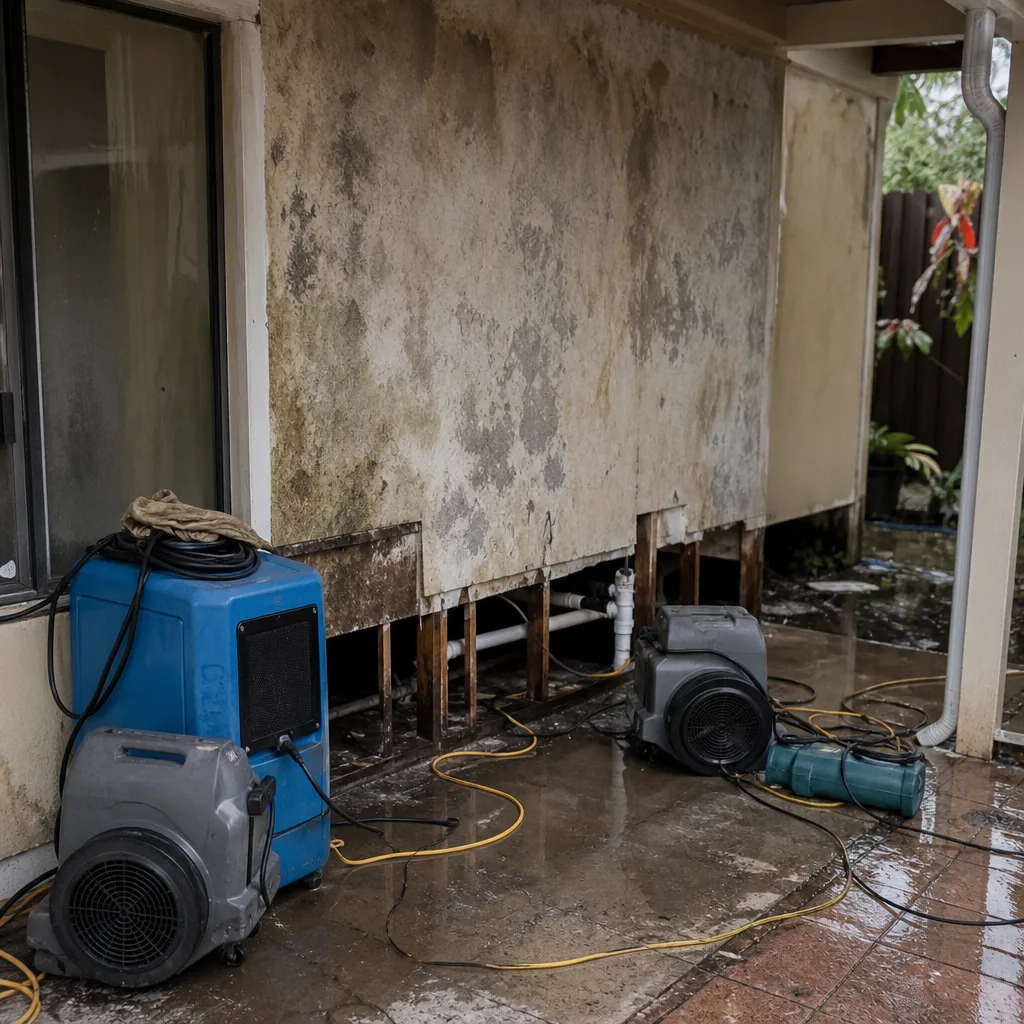 Before
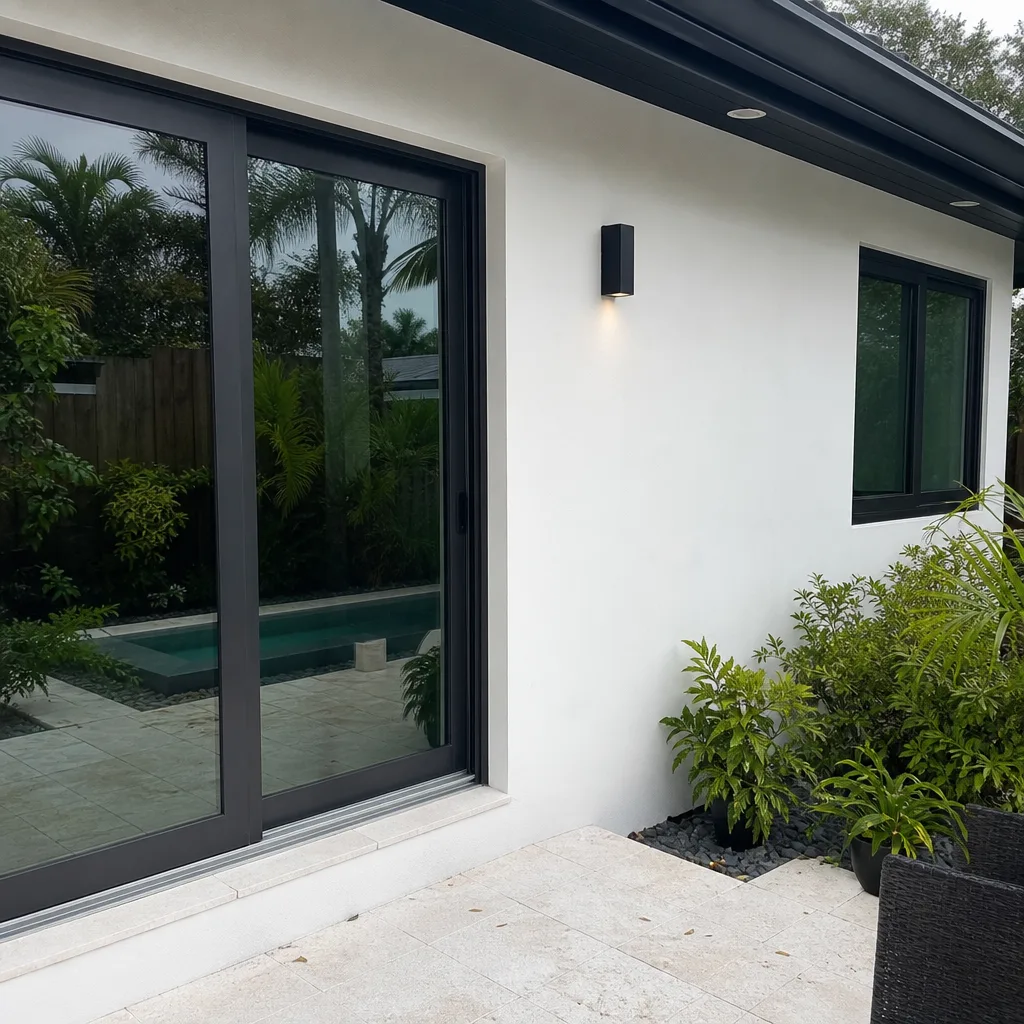 After
After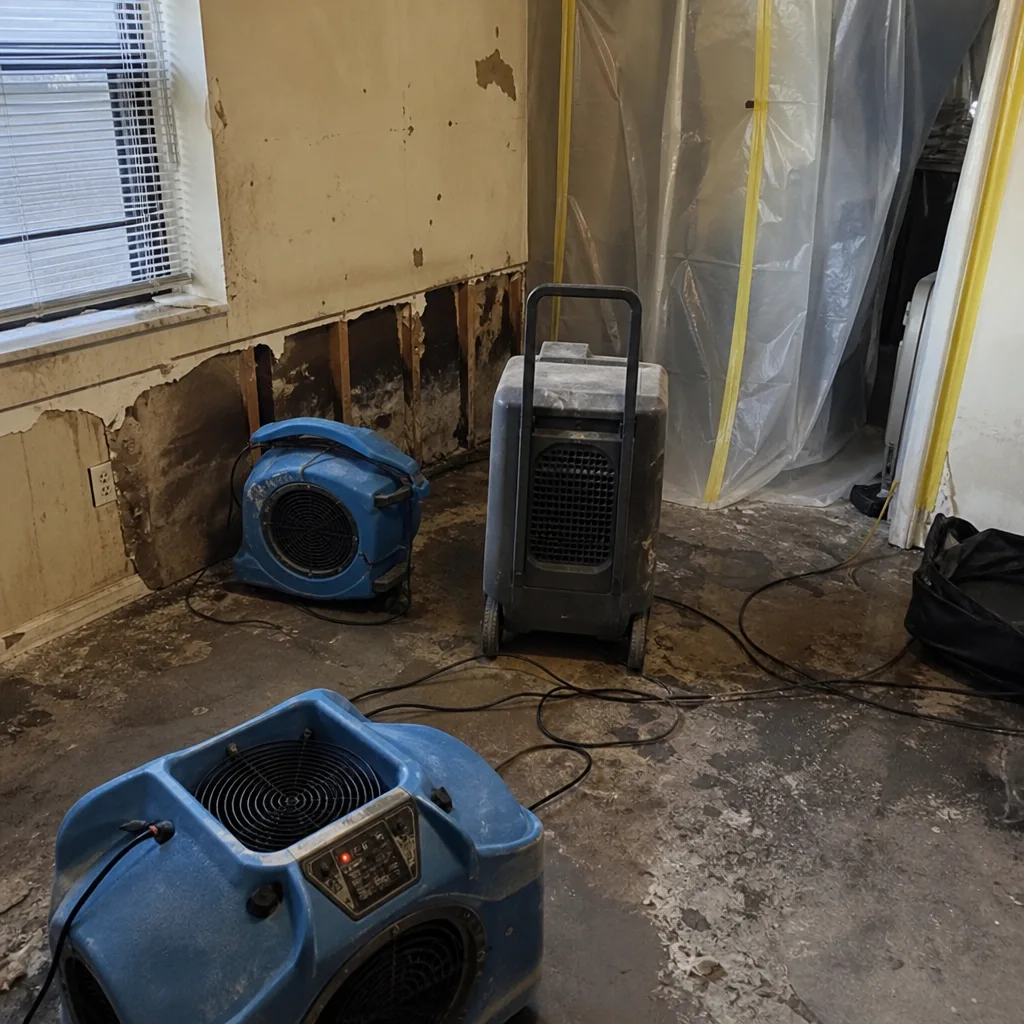 Before
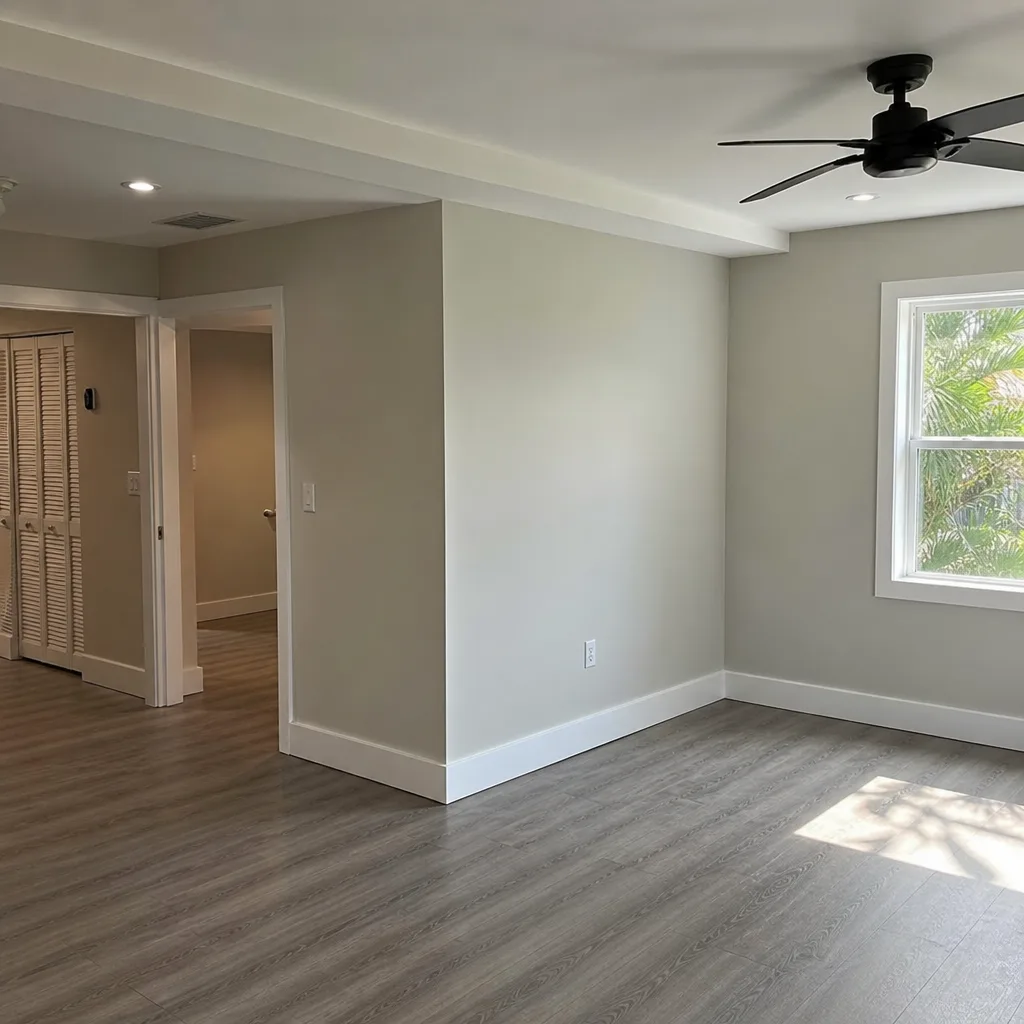 After
After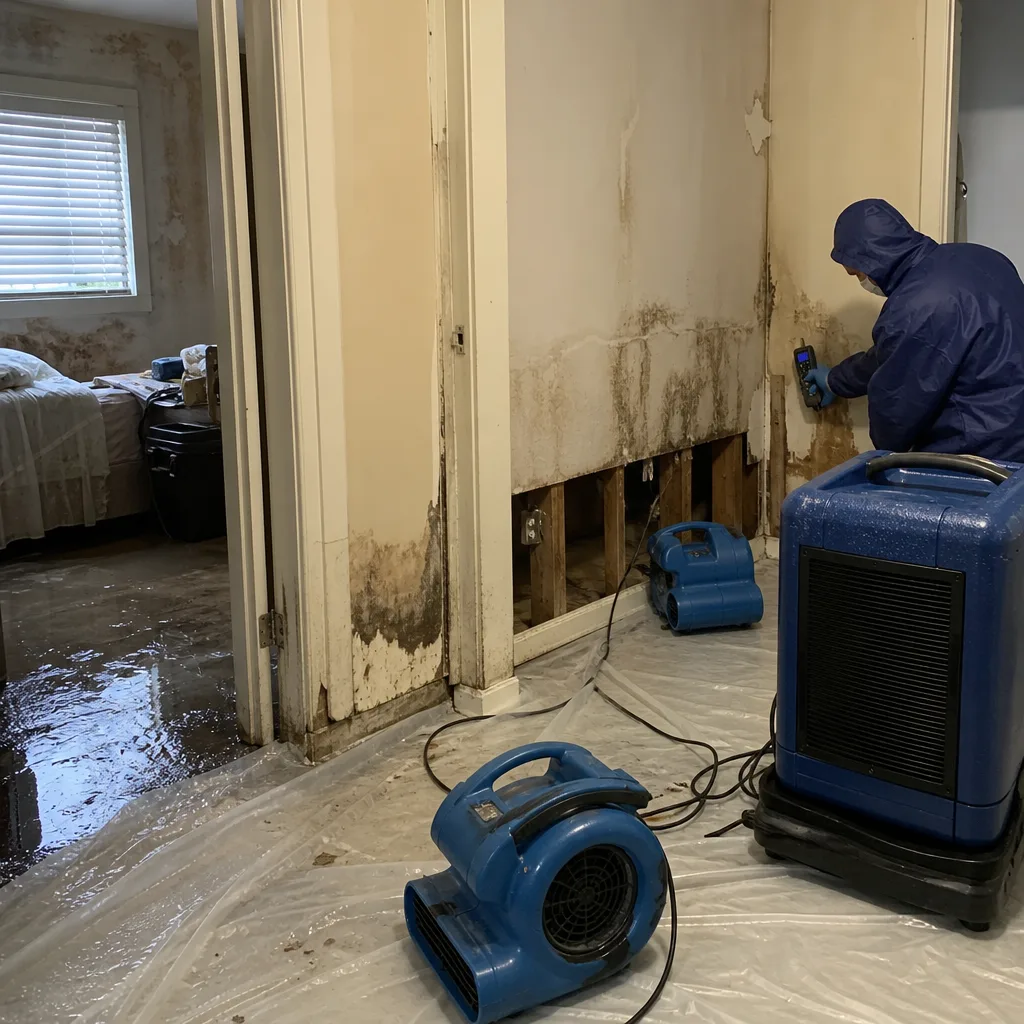 Before
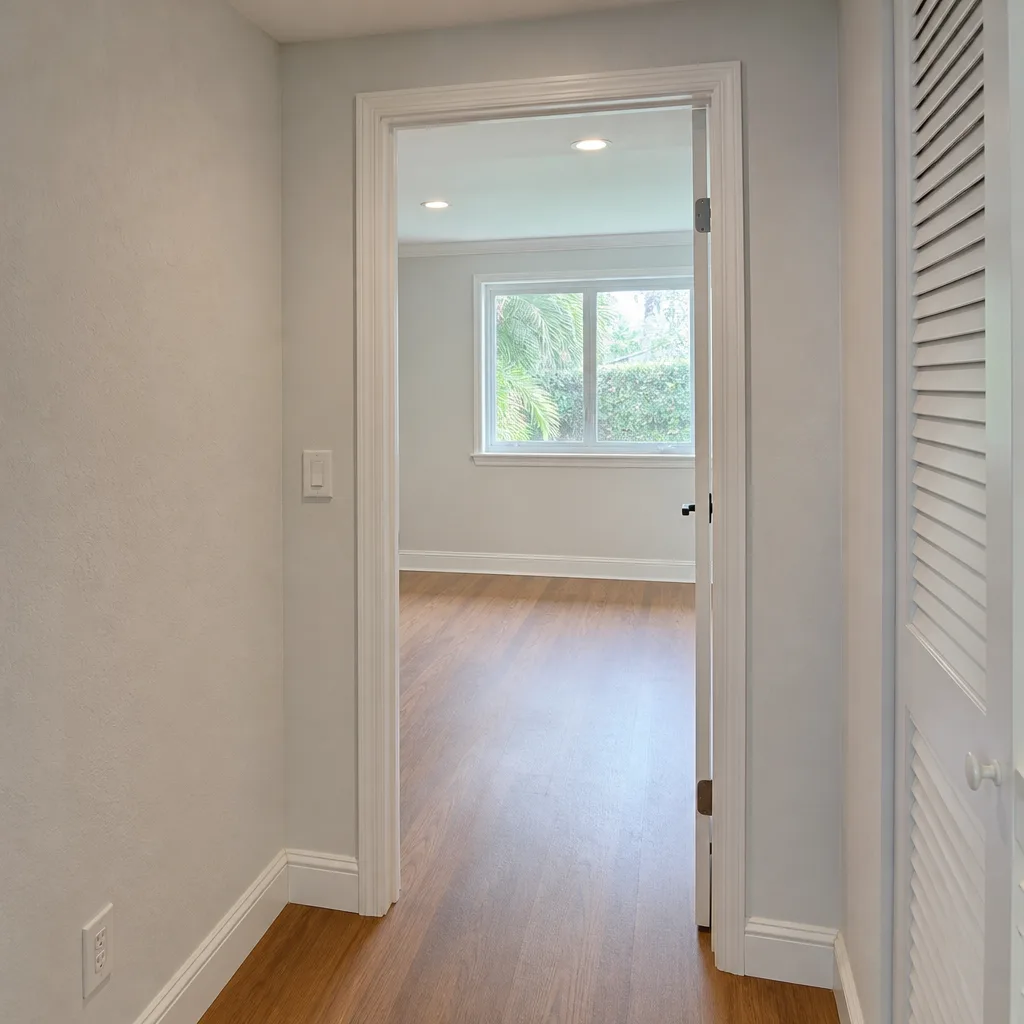 After
After