
Last updated October 16, 2026
 Water damage drying
 Fire & smoke cleanup
 Mold remediation
 Storm response
 Sewage cleanup
 Reconstruction
Free visual inspection and a written scope of work before any mitigation begins - photos, moisture readings, and drying logs go in your claim file
The scope we write is the scope we bill. Anything new gets shown to you, in writing, before we touch it.
Get your free estimateDamage Restoration Permits, Codes & Inspections in FL: What You Need to Know
Florida is one of the few states where unpermitted water damage repairs can legally prevent you from closing a home sale. Not slow it down. Prevent it entirely. Most restoration companies in Miami never mention this when they hand you a quote, because permits add time to a job and time eats into their margin. This guide covers what actually requires a permit in Florida, how Miami-Dade’s High-Velocity Hurricane Zone code changes what materials go into your walls, the inspection sequence you’ll need to pass, and what to do when you discover the previous owner cut corners. For related reading, see our more guides & resources. By the time you finish reading, you’ll know more about restoration permits than most contractors who quote the work.
Restoration work we handle
Quick Answer
Whether your damage restoration project requires a permit in Florida depends on the scope: structural drying and water extraction alone typically don’t need one, but any drywall removal and replacement, electrical exposure, or structural repair in Miami-Dade County legally does. Skipping the permit can void a future insurance claim on that repair, trigger fines, and block a home sale at closing. The safe move is to confirm your exact scope with the Miami-Dade Building Department before work begins, not after the walls are open.
Table of Contents
- What Actually Requires a Permit in Florida
- How the High-Velocity Hurricane Zone Code Changes Your Restoration
- The Inspection Sequence: Rough-In, Final, and Who Schedules What
- What Happens When a Previous Owner’s Unpermitted Work Gets Discovered
- How to Request a Certificate of Completion and Why It Matters
- Permits, Insurance Claims, and What Your Adjuster Won’t Tell You
- Common Mistakes to Avoid
- When to Call a Professional
- Frequently Asked Questions
- The Bottom Line
What Actually Requires a Permit in Florida
The answer most homeowners get from a restoration salesperson is “don’t worry about it, we handle everything.” What they mean is “we don’t want to wait three weeks for a permit.” Florida Statute 553.79 and the Florida Building Code are clear about what crosses the line from cleanup into construction. Here is the practical breakdown for Miami-Dade County.
Work that typically does NOT require a permit:
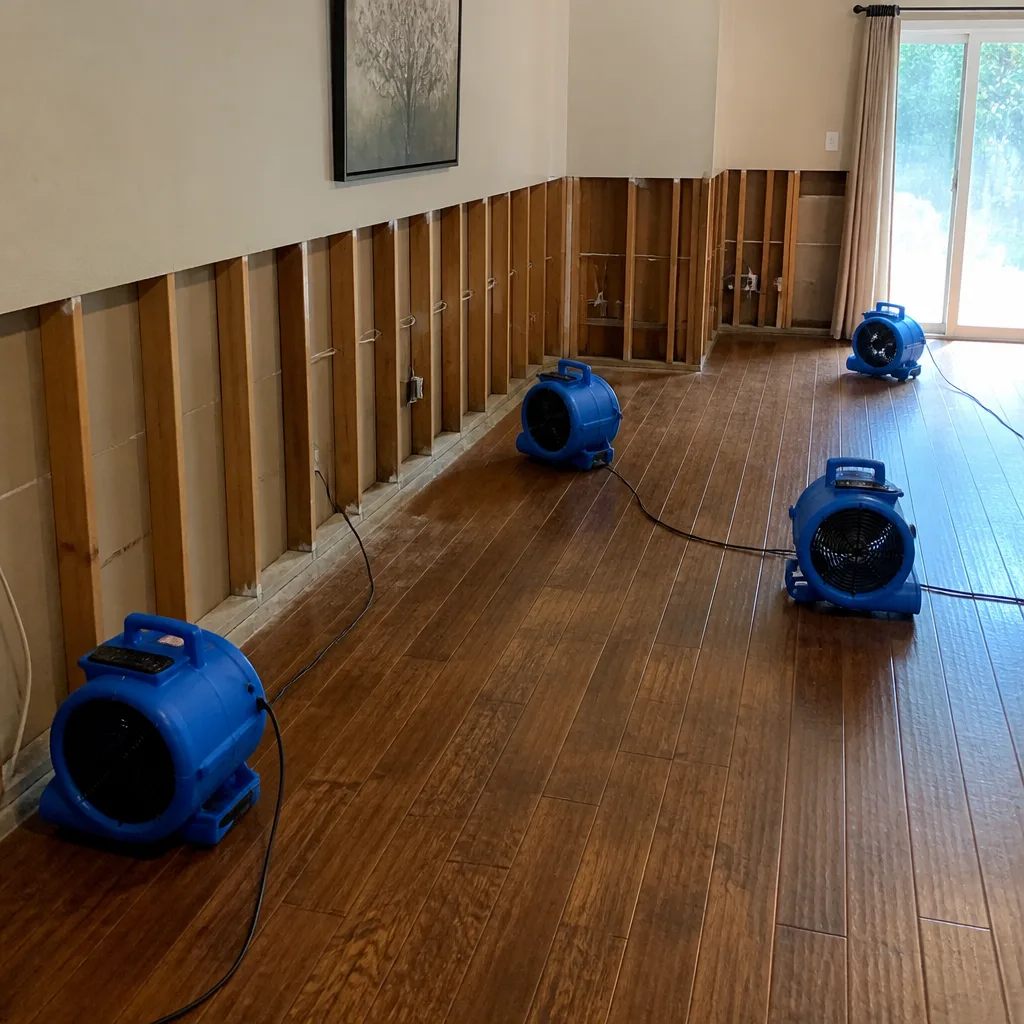
- Water extraction and structural drying, including setting up air movers and dehumidifiers. This is classified as mitigation, not construction. Our teams run Phoenix and XPOWER axial fans and LGR dehumidifiers on permitted and unpermitted losses alike, because the drying equipment itself changes nothing about the building envelope.
- Antimicrobial treatment and mold remediation on exposed surfaces. If the drywall stays in place and you’re cleaning and treating it, that’s remediation, not repair.
- Replacing a section of baseboard or trim that was removed for drying, as long as no wall cavity work is involved.
- Removing wet carpet and pad, then reinstalling after drying. No permit needed for flooring that isn’t bonded to the slab.
Work that DOES require a permit in Miami-Dade County:
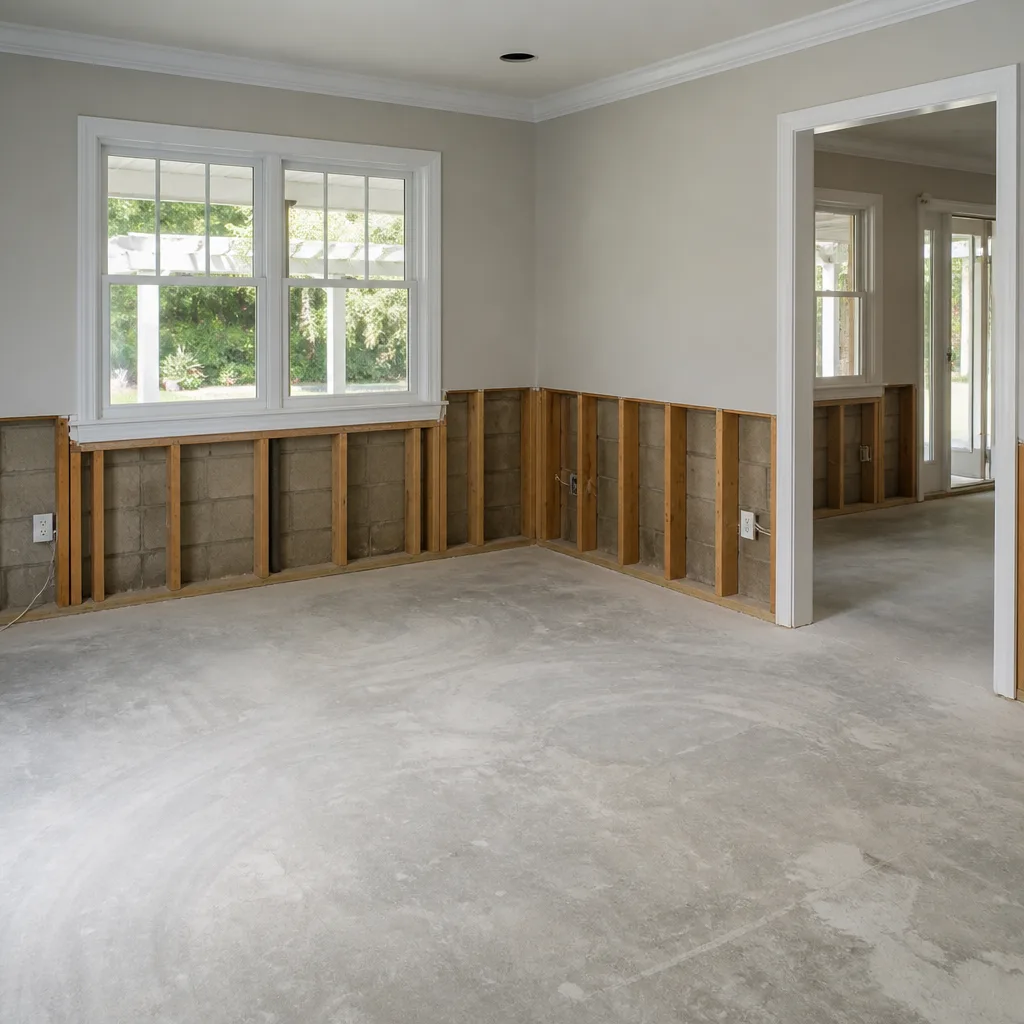
- Drywall removal and replacement. Once you cut out a section of gypsum board that exposes stud cavities, the Florida Building Code considers it structural alteration because drywall contributes to the shear rating of the wall assembly. This is the most common surprise on water damage jobs. A pipe leak behind a bathroom wall might only require a 4×4 foot drywall patch, but that patch is technically a structural repair in Miami-Dade.
- Any electrical exposure. If a ceiling collapsed and wiring is exposed, or if your remediation crew removes drywall and finds junction boxes that need to be accessed or rewired, the electrical portion of the job requires a permit. Miami-Dade is especially strict here because of the corrosion risk from salt air accelerating wire degradation.
- Structural repairs of any kind. Replacing a rotted stud, sistering a joist, repairing a truss, or rebuilding a load-bearing wall all require structural permits with engineered drawings in most cases.
- Window or exterior door replacement as part of restoration, especially in coastal Miami, where impact-glass requirements apply to everything new.
- Roof decking replacement from storm damage. Even a partial roof deck repair falls under the High-Velocity Hurricane Zone provisions and needs a permit plus a reroof inspection.
The threshold that catches most homeowners isn’t about the damage. It’s about the repair. You can have a flooded hallway with three inches of standing water and legally dry the whole thing with zero permits. But the moment someone pulls out a saw to cut away the wet drywall at the floodline, you’ve crossed into construction. In our experience, roughly six out of ten water damage jobs in Miami eventually require a permit once the scope of demolition is understood.
How the High-Velocity Hurricane Zone Code Changes Your Restoration
Miami-Dade and Broward counties operate under a stricter set of building rules than the rest of Florida. It’s called the High-Velocity Hurricane Zone, or HVHZ, and it’s the reason a national restoration chain with crews trained in Georgia or Texas sometimes fails a Miami inspection on their first pass. The HVHZ code was written after Hurricane Andrew flattened Homestead in 1992, and it governs everything from the gauge of metal connectors to the type of drywall screws used on exterior walls.
Here’s what the HVHZ means for a typical water damage restoration in Miami:
- Drywall on exterior walls must meet wind-load fastening schedules. That means specific screw spacing patterns, not just “screw it like it was.” A crew that drywalls a Miami exterior wall to the same standard as an interior partition will fail the rough-in inspection.
- Exterior sheathing repairs require HVHZ-rated materials. If water intrusion rotted out a section of plywood sheathing behind stucco, the replacement must carry an HVHZ product approval number from the Miami-Dade Board of Rules and Appeals. Generic plywood from a big-box store doesn’t qualify.
- Impact-rated windows and doors are mandatory for any replacement on a residential structure, even if the original opening was not impact-rated. If your restoration involves replacing a water-damaged exterior door, the new one must be a Miami-Dade NOA (Notice of Acceptance) approved product.
- Roof-to-wall connections come under scrutiny during any reroof or partial roof repair. The inspector will want to see hurricane clips or straps that tie the trusses to the top plate, not just nails.
This is why we run our Water Damage Repair in Miami projects with the assumption that any exterior wall or opening will be inspected to HVHZ standard. The code isn’t a hurdle to work around. It’s the baseline. A restoration company that doesn’t know the difference between an HVHZ product approval and a standard Florida product approval is one that’s about to cost you a failed inspection and two extra weeks of open walls. The same applies to Water Damage Restoration in Miami more broadly, because the code touches everything from the drying plan to the final finish.
The Inspection Sequence: Rough-In, Final, and Who Schedules What
Once a permit is pulled on a restoration project, the work moves through a defined sequence of inspections. Understanding this sequence matters because each inspection is a gate. Work done past a gate that hasn’t been opened means a redo, not a pass.
Step 1: The permit is issued and posted
The contractor or homeowner files the permit application with Miami-Dade Building Department, pays the fee, and receives a permit number. The permit card must be posted on the job site, visible from the street. If a code inspector drives by and sees unpermitted-looking construction with no card, you’re starting the process with a Stop Work Order and a fine.
Step 2: Rough-in inspection before walls close
This is the inspection most relevant to damage restoration. It happens after the repair work is in place but before drywall covers it. The inspector checks:
- Electrical work: junction boxes, wire connections, GFCI placement, grounding
- Plumbing repairs: pipe connections, proper materials, pressure test where applicable
- Structural repairs: studs, joists, hurricane clips, and connectors, all to HVHZ standard where applicable
- Fastening schedules on drywall that’s ready to close
If the rough-in inspection fails, the corrections must be made and the inspector returns for a re-inspection. In Miami-Dade, re-inspection fees are charged per visit, and there’s no express lane. This is the step where a restoration company that cuts corners on materials or methods gets caught.
Step 3: Insulation and drywall close
After rough-in passes, the crew insulates (if needed) and hangs drywall. This step has no separate inspection unless the permit scope included insulation as a trigger.
Step 4: Final inspection
Once the restoration work is complete, including paint and trim, the final inspection confirms the work matches the approved permit scope. The inspector verifies that the finished condition is code-compliant and that no unpermitted work was added along the way. A passed final inspection is what allows the permit to be closed.
Who schedules these inspections?
The permit holder is legally responsible for scheduling inspections. If a contractor pulls the permit, the contractor schedules. If the homeowner pulls an owner-builder permit, the homeowner schedules. This distinction matters when things go wrong. If a contractor stops returning calls after the drywall is up but before the rough-in is scheduled, the permit holder is the one with the legal exposure. Miami-Dade’s inspection request system is online, but it requires the permit number and the correct inspection code for each phase.
What Happens When a Previous Owner’s Unpermitted Work Gets Discovered
This is the scenario that turns a routine restoration into a legal headache. Your remediation crew opens a wall and finds that the previous owner replaced the kitchen plumbing without a permit, or added a bathroom in the garage with no inspection on record. Now you have a permitted restoration job happening in a house with unpermitted work from someone else’s era. What do you do? For help spotting these issues early, read our Damage Restoration Warning Signs: A Miami Homeowner’s Reference Guide.
First, understand the legal reality. In Florida, the current homeowner is responsible for unpermitted work on the property, regardless of who did it or when. The statute of limitations doesn’t save you from a code enforcement action when the violation is discovered, because the violation is considered ongoing until it’s corrected. If the unpermitted work is uncovered during your restoration and you simply close the wall back up, you’ve now adopted that violation as your own and made it harder to fix later.
The fastest path to resolution with Miami-Dade Building Department is called a permit after the fact. Here’s the sequence:
- Stop work on the affected area and document everything with photos before any of it gets covered or altered further.
- Contact Miami-Dade Building Department’s Code Compliance division and explain what was discovered. Be direct: “We opened a wall during a permitted restoration at [address] and found unpermitted [plumbing/electrical/structural] work from a prior owner.”
- Expect a code compliance inspector to visit and document the conditions. The inspector’s report will identify which violations must be corrected and whether a permit after the fact is possible or whether full removal is required.
- If the work is salvageable, your restoration contractor can file for a permit to bring the unpermitted work into compliance. This often means opening walls further so the code inspector can see the full extent of the old work, not just the area exposed by the water damage.
- Once the work passes inspection under the new permit, the permit is closed and the violation is resolved. You’ll want a Certificate of Completion as documentation.
The cost of this process varies wildly depending on what’s found. We’ve seen unpermitted bathroom additions where the plumbing was installed backward and the entire wet wall had to be torn out and redone correctly. We’ve also seen unpermitted electrical work that passed code on the second look but just needed the inspection paperwork. The expensive cases are rare, but the expensive lesson applies to every one: you only find out once the wall is open.
How to Request a Certificate of Completion and Why It Matters
A Certificate of Completion is the document that proves your restoration project passed its final inspection and the permit is officially closed. Without it, the permit remains open in the county’s system, and an open permit is what gets flagged during a title search when you sell the house.
Here’s how to request one in Miami-Dade County:
- Confirm the final inspection passed. You or your contractor should have a final inspection report showing a pass. If the permit file shows “inspection required” or “in progress,” the certificate can’t be issued yet.
- Verify all permit fees are paid. Open balances on the permit account will block the certificate. This includes any re-inspection fees from earlier in the project.
- Request the Certificate of Completion from Miami-Dade Building Department. This is typically done through the same online portal where the permit was filed. The request is usually processed within a few business days, though it can take longer after a major storm event when the department is handling thousands of restoration permits at once.
- Keep the certificate with your home file. Store it with your deed, your survey, and your insurance policy documents. When you sell, the title company will search for open permits, and a closed permit with a Certificate of Completion is the cleanest possible outcome. Without it, you’re explaining to a buyer why the water damage restoration from 2022 shows no inspection on record.
The reason this matters more than most homeowners appreciate is that Miami real estate moves through title searches that are more aggressive than most of the country. Buyers are financing with lenders who want zero open permits, zero code violations, and zero unresolved permit histories. A restoration permit that was pulled and never closed shows up the same as a violation in some title systems, and it becomes your problem to resolve at closing, often under time pressure. We’ve helped homeowners track down certificates for work done years earlier, sometimes by a contractor who never bothered to close the file. It’s a two-week headache instead of a two-month one because the certificate request exists.
One note from the field: if your restoration was done as part of an insurance claim, the contractor may have handled the permit and closed it without you ever seeing the paperwork. Always ask for the Certificate of Completion when the job is done, even if you never plan to sell. Insurance companies look for closed permits and passed inspections when you file a future claim on the same area, and an open permit can complicate a second claim in ways you don’t want to learn about after the fact.
Permits, Insurance Claims, and What Your Adjuster Won’t Tell You
Your homeowners insurance policy contains language about permits that most adjusters never mention unless it benefits them. Here’s the practical reality on how permits intersect with insurance claims in Florida.
Insurance companies can and do deny claims for damage caused by unpermitted work. If a previous owner’s unpermitted plumbing repair fails and floods your kitchen, your insurer may argue that the loss resulted from a code violation and exclude the claim. This isn’t theoretical. Florida case law has repeatedly upheld policy exclusions for losses caused by violations of law, and an insurer that wants to fight the claim has a strong starting point. This is exactly the scenario we described earlier, where unpermitted work discovered during restoration is the canary in the coal mine for future claims.
Your insurer may require a permit for repairs they’re paying for. When water damage repair involves structural work that would require a permit under city code, your insurer’s estimate may or may not include the permit cost. Some policies cover the cost of permits as part of the repair, some don’t, and the difference can be hundreds of dollars on a structural repair. Ask your adjuster directly: “Does this estimate include the permit for the structural repair?” If the answer is vague, call Miami-Dade Building Department yourself and confirm what the permit on your scope would cost.
The mitigation portion of your claim (water extraction, drying, antimicrobial treatment) does not require a permit and is handled under the same claim as the repair. This is where dealing with a restoration company that understands the distinction matters. A company that tries to bundle everything into one unpermitted repair scope is setting you up for an insurance problem later. In our experience, the cleanest claims are the ones where the Mold Remediation in Miami and water extraction happen first with no permit, then the repair scope goes through the proper permit process as a separate phase. It keeps the insurance paperwork clean and the county happy.
The bottom line on insurance: permits are not optional paperwork theater. They’re a condition of the claim being paid and the work being insurable. If your contractor tells you the permit is unnecessary or that it’ll slow things down, you’re hearing a red flag from someone who wants to avoid the inspection process. That’s not a company that’s working in your interest, and it’s a common sign of an outfit that will cut corners on the repair itself. For help evaluating your options, see DIY vs Professional Damage Restoration: The Miami Homeowner’s Decision Guide.
Common Mistakes to Avoid
- Letting a contractor talk you out of a permit. “It’ll take too long, we do this all the time” is the most expensive sentence in restoration. The delay from waiting for a permit is measured in days. The cost of a forced tear-out and redo after an inspector catches unpermitted work is measured in weeks and thousands of dollars.
- Assuming drying and repair are the same thing. Water extraction and structural drying don’t need a permit. Drywall removal and replacement does. Mistaking the former for the latter means you skip the permit process entirely on a job that required one, and the county finds out when the building department searches open work at your address.
- Pulling the permit yourself without understanding the liability. An owner-builder permit in Florida makes you responsible for the work being code-compliant, the inspections being scheduled, and the subcontractors being qualified. If the work fails inspection, it’s your name on the permit. Let a licensed contractor be the permit holder unless you’re genuinely qualified to manage the process.
- Ignoring the HVHZ designation for exterior repairs. A restoration company from outside South Florida often doesn’t know that Miami-Dade requires product approvals for exterior doors, windows, and sheathing. The repair gets done with non-approved materials, the final inspection fails, and you’re paying for the same job twice. This is one of the most common reasons we’re called in after another company’s work fails inspection.
- Closing up walls before the rough-in inspection. This is the classic anxious-new-owner move: the drywall is ready to hang, the inspector hasn’t been scheduled yet, and you want your house back. Hang the drywall and the inspector can’t see the electrical, plumbing, or structural work. Now you’re tearing it open again and paying another inspection fee.
- Not requesting a Certificate of Completion. A closed permit is not the same as having the documentation in your file. Without the certificate, you’re relying on the county’s record-keeping and your buyer’s title company to connect the dots. Request the certificate, save it, and bring it to closing when you sell.
- Using a restoration contractor who doesn’t document the process. Photo documentation of every stage matters for insurance claims, code inspections, and disputes. A company that doesn’t take before-and-after photos is a company without a record of what they did, and that record is your only evidence if something goes wrong months later.
When to Call a Professional
If your restoration scope involves any of the following, you need a licensed contractor who understands Miami-Dade’s permitting process and the HVHZ code: exposed electrical work, removed drywall on an exterior wall, structural repairs to studs or joists, any exterior door or window replacement, or the discovery of previous unpermitted work. Trying to manage the permit process on your own as a homeowner is possible, but the learning curve is steep and the stakes are high. A contractor who pulls the permit, schedules the inspections, and handles the corrections is worth the project management fee in time saved and mistakes avoided. The Wendell Restoration Miami home services team works with homeowners throughout Miami-Dade on restoration scopes that require permits, and we handle the documentation from start to finish. Wendell Restoration Miami offers free estimates in Miami, call (850) 909-7064.
Frequently Asked Questions
No. Water extraction, structural drying, and antimicrobial treatment do not require a permit in Florida. A permit is required when the restoration involves drywall removal and replacement, electrical exposure, structural repairs, or any exterior opening replacement. In Miami-Dade County, the permit threshold is the same as the rest of the state but with stricter HVHZ material requirements once the permit is issued.
Standard residential restoration permits in Miami-Dade typically take one to three weeks to issue, depending on the scope and the current workload at the Building Department. After a major storm event that triggers widespread damage, the department often activates expedited permitting lanes for restoration work, but the baseline is still measured in days to weeks, not hours. If you need a fast answer on your specific scope, call the department directly or ask your restoration contractor to pull the permit as early in the process as possible.
Yes. Florida law makes the current homeowner responsible for unpermitted work on the property, regardless of who performed it. When the work is discovered during your restoration, the fastest resolution is a permit after the fact through Miami-Dade Building Department, which involves an inspection, potentially corrective work, and documentation that the conditions now meet code.
It depends on your policy and the scope of the repair. Some policies include permit costs as part of the repair estimate, and some do not. Ask your adjuster directly whether the estimate includes the permit, and if the answer is unclear, get the permit cost from Miami-Dade Building Department and submit it as a supplement to your claim. The permit itself is usually a small line item relative to the repair cost, but it’s yours to pay if the policy doesn’t cover it.
A permit is the authorization to do the work. A Certificate of Completion is the document issued after the work passes final inspection and the permit is closed. The certificate proves the work was done to code and inspected. Without it, the permit remains open in county records and can surface during a title search when you sell.
For water damage restoration that requires a permit, hire a restoration company with demonstrated experience managing permitted work in Miami-Dade specifically. Our How to Hire a Damage Restoration Contractor in Miami: A Step-by-Step Guide walks you through exactly what to look for. The HVHZ code details are unfamiliar to general contractors without local restoration experience, and the coordination between mitigation (no permit) and repair (permit) phases is smoother when one firm handles both. Ask any contractor you’re considering how many HVHZ restoration permits they’ve pulled and closed in Miami-Dade in the past year. If they can’t answer that, keep looking.
The Bottom Line
Florida’s restoration permit rules are stricter than most homeowners realize, and Miami-Dade’s HVHZ code adds another layer of complexity that out-of-town contractors routinely miss. The permit decision comes down to scope: drying and mitigation don’t need one, but drywall removal, electrical exposure, and structural repair do. Skipping the permit creates legal risk, insurance exposure, and a forced tear-out when you sell. The smart path is to verify your scope with the building department early, hire a contractor who knows the local code and pulls the permit themselves, and request a Certificate of Completion when the final inspection passes. It’s the difference between a restoration that’s actually done and one that’s just waiting to become your problem.
Written by Blake Sorensen, Owner at Wendell Restoration Miami, serving Miami since 2006.
See the difference
 Before
 After
After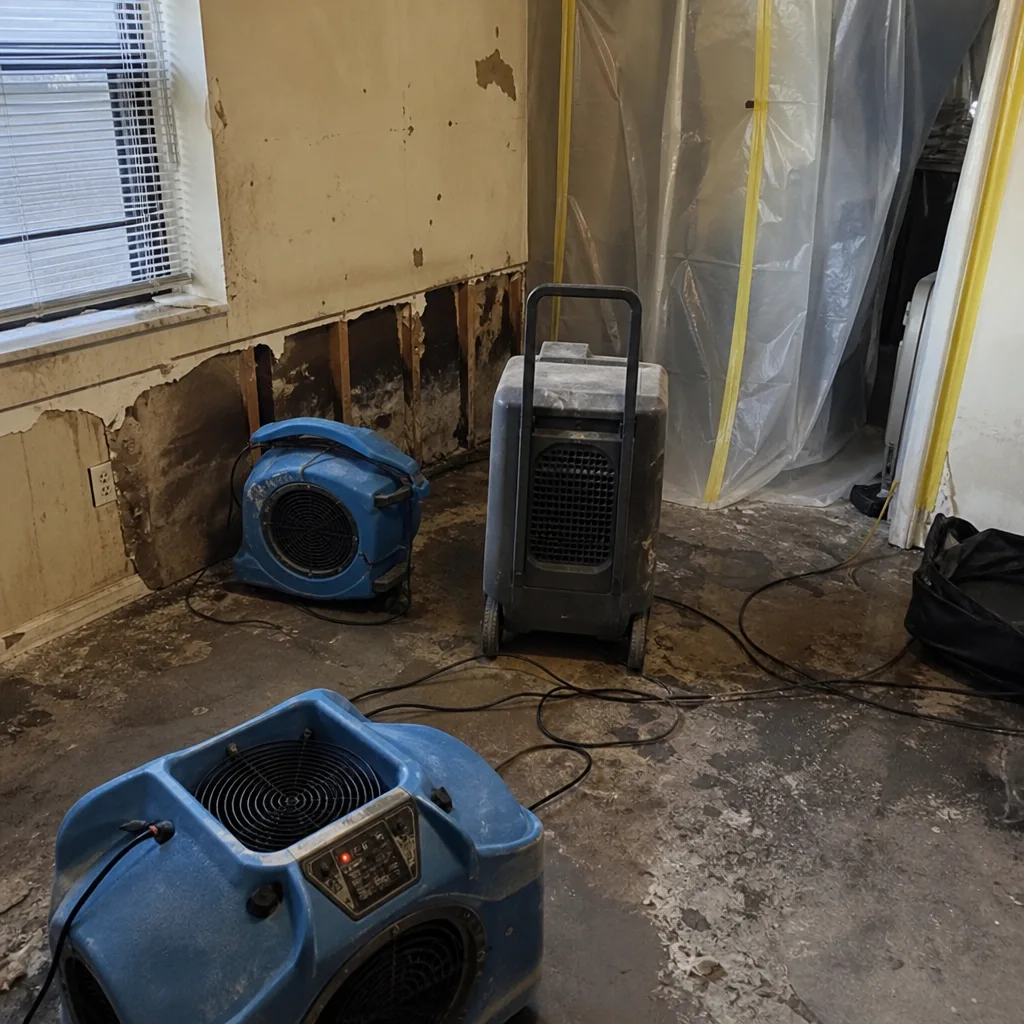 Before
 After
After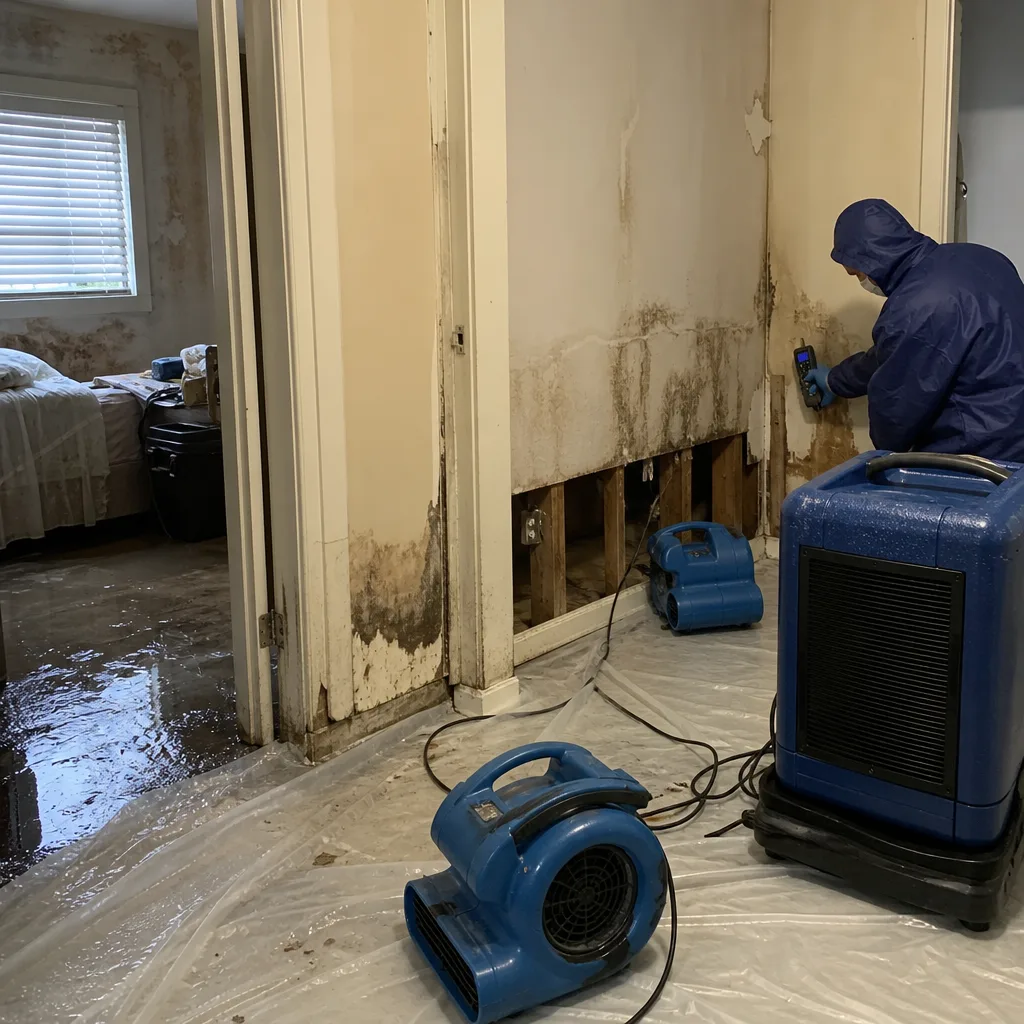 Before
 After
After