
Last updated October 16, 2026
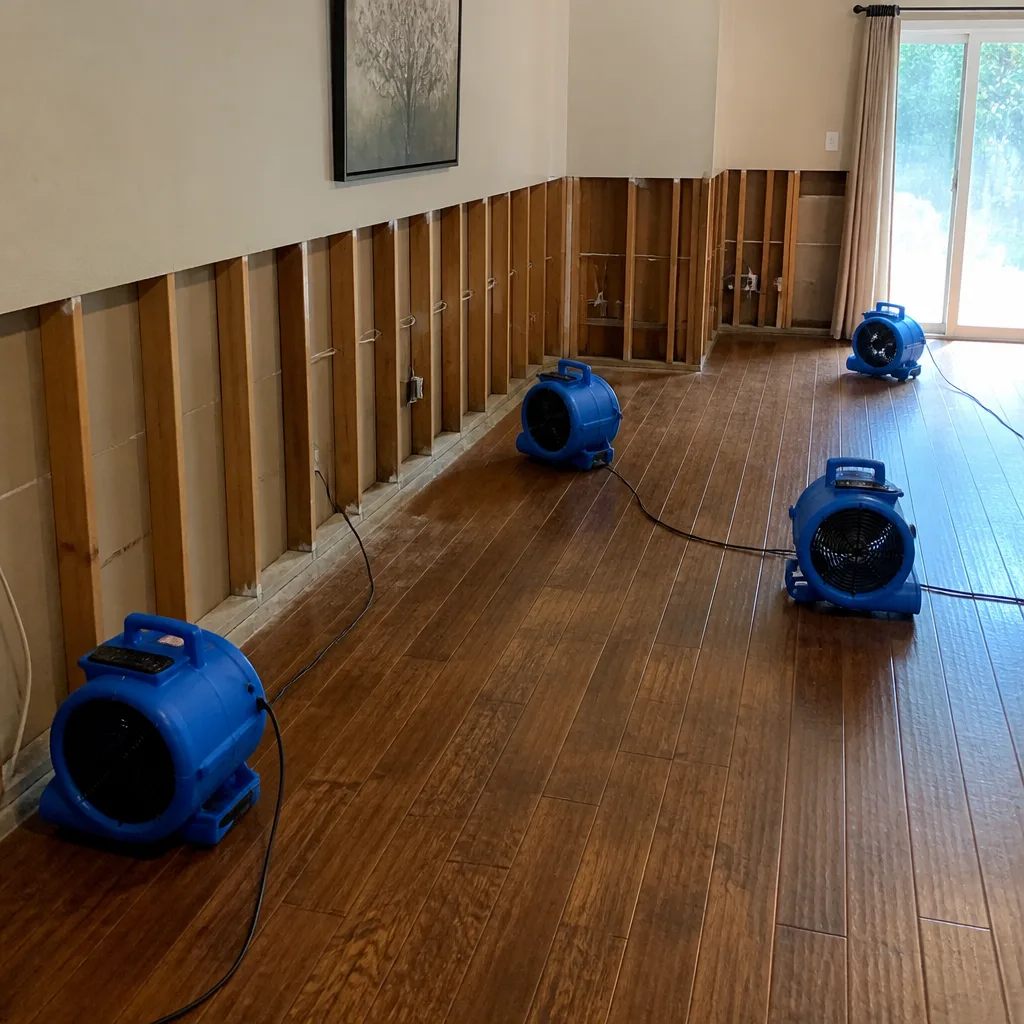 Water damage drying
 Fire & smoke cleanup
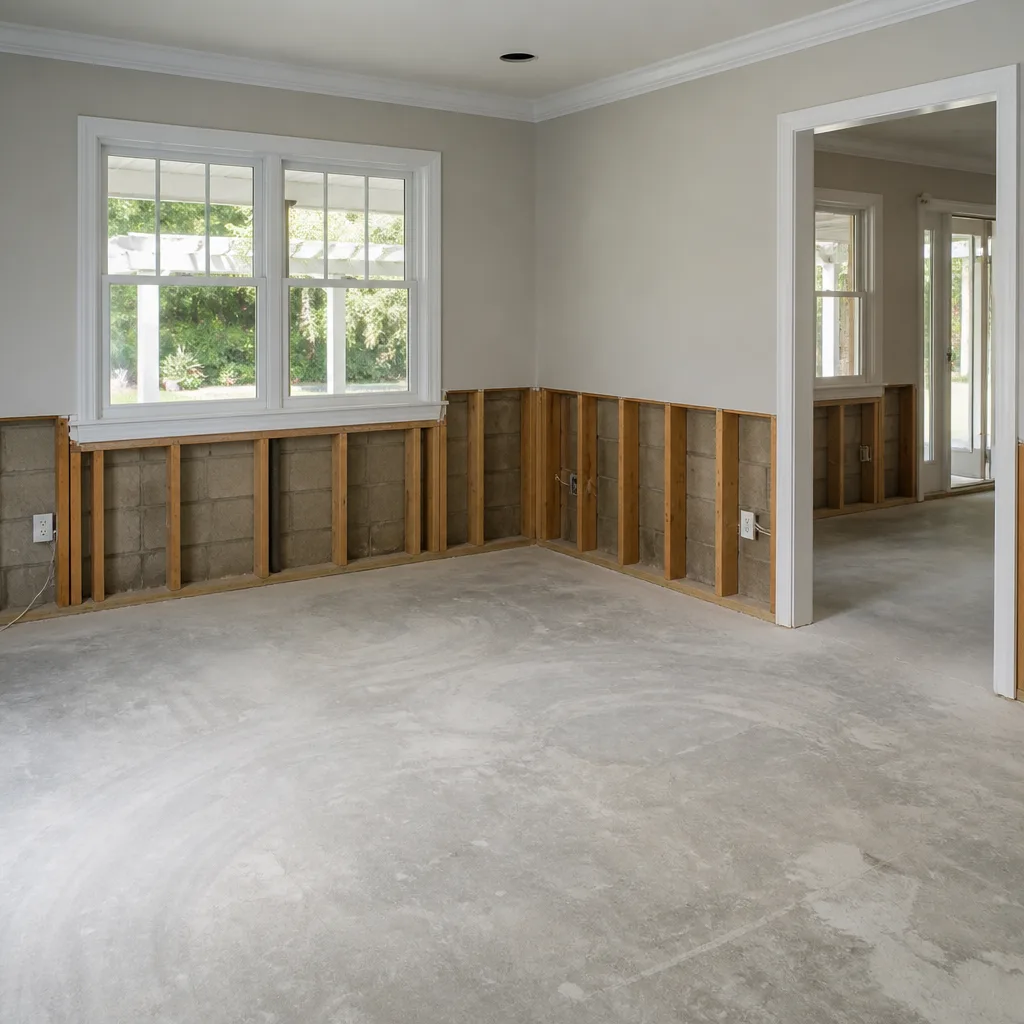 Mold remediation
 Storm response
 Sewage cleanup
 Reconstruction
Free visual inspection and a written scope of work before any mitigation begins - photos, moisture readings, and drying logs go in your claim file
The scope we write is the scope we bill. Anything new gets shown to you, in writing, before we touch it.
Get your free estimateWater Damage Restoration Maintenance Checklist for Miami Homeowners
The mold that shows up after a Miami hurricane usually started growing two weeks before landfall, during the pre-storm humidity spike that most homeowners ignore completely. That’s not a guess. It’s what we see on job after job: water damage in Miami rarely announces itself with a burst pipe. It begins as a slow, invisible accumulation behind walls, under tile, and inside AC closets during the weeks when the air gets heavy and the rain hasn’t even started yet. This guide gives you a month-by-month maintenance routine built for Miami’s two real seasons, plus the specific checkpoints that matter for flat roofs, impact windows, clay tile, and the appliance connections that fail silently. You’ll learn what to inspect, how often, what tools you need, and when a $15 hygrometer reading should send you to the phone before the drywall stains ever appear.
Restoration work we handle
Quick Answer
A water damage prevention checklist for Miami homeowners means running a rolling, month-by-month routine: dry-season prep from November through April (roof, windows, drainage, appliance connections) and wet-season active monitoring from May through October (humidity tracking, AC condensate lines, post-storm inspections). The five most important things to check monthly are indoor relative humidity (keep it under 60% RH), AC condensate lines, water heater pressure relief valves, appliance supply hoses, and any area where you’ve had a prior leak. If you stay ahead of these five points, you prevent most of the water damage we’re called to restore in Miami.
Table of Contents
- Why Miami Has Two Maintenance Seasons, Not One
- Your Month-by-Month Water Damage Prevention Calendar
- Miami Construction Types and Their Water Intrusion Points
- How to Test Indoor Humidity and What the Numbers Mean
- The Five Appliance Connections That Fail Silently
- What to Photograph Before Hurricane Season Starts
- Drainage Systems: Gutters, Downspouts, and Grading
- Common Mistakes to Avoid
- When to Call a Professional
- Frequently Asked Questions
- The Bottom Line
Why Miami Has Two Maintenance Seasons, Not One
Miami doesn’t have four seasons. It has two: the dry season from November through April, and the wet season from May through October. A maintenance checklist that treats water damage prevention as a once-a-year spring task misses how moisture actually behaves in South Florida. The dry season is when you prep. The wet season is when you monitor. Skip the prep work and you’ll spend the wet season reacting to problems that were already forming during the dry months.
During Miami’s dry season, indoor air can actually get drier than you’d expect, but that’s exactly when materials shrink and crack. Caulk around windows pulls away from the frame. Roof flashing expands and contracts. Clay tiles shift slightly. These small separations are invisible to the eye but they create entry points that the wet season will exploit. The dry season is also when you can safely access roof areas, clean gutters without standing water, and run appliance checks without the added variable of 80% outdoor humidity complicating your readings.
The wet season is a different game entirely. From May through October, Miami’s average relative humidity sits between 73% and 79%, often spiking higher in the hours before afternoon thunderstorms. That’s already above the threshold where mold can start colonizing porous materials. Add a slow leak from an AC condensate line or a hairline crack in a supply hose, and you have the conditions for damage that develops over weeks, not days. The wet season routine is about catching those slow failures early. It’s about looking at the places where water accumulates silently and checking them on a schedule, not just after a storm.
What most maintenance lists miss is that the two seasons require different mindsets. Dry season is inspection and repair. Wet season is monitoring and response. Both matter, and a homeowner who only does the spring checklist is leaving their home exposed for half the year. In our experience at Wendell Restoration Miami home, the homes we see with the least damage are the ones where someone pays attention every month, not just once a year.
Your Month-by-Month Water Damage Prevention Calendar
Here’s the rolling routine we recommend for Miami homeowners. It breaks into dry-season prep tasks and wet-season monitoring tasks. Each month has a specific focus, and the whole thing takes about 30 to 60 minutes per month. That’s cheaper than even the smallest Water Damage Repair in Miami bill, and it’s a lot less disruptive.
November: Roof and Window Inspection
November is the first reliably dry month in Miami, which makes it the right time to look at your roof. If you have a flat roof, check for ponding water after any rain, even light rain. Ponding that lasts more than 48 hours is a problem. If you have clay tile, look for cracked or shifted tiles from the summer storms. If you have a shingle roof, check for curling or missing shingles. For windows, run a visual inspection of the caulk line around every frame. In Miami’s salt air, caulk breaks down faster than it does inland, so expect to recaulk every 2 to 3 years.
December: Appliance Connections and Hoses
December is appliance month. Shut off the water supply to your washing machine and inspect the rubber supply hoses for bulges, cracks, or stiffness. Rubber hoses fail with age, and the average lifespan in Miami’s heat is about 3 to 5 years. If yours are older than that, replace them with braided stainless steel lines, which last longer. Check the ice maker line behind your refrigerator. Look for kinks, cracks, or mineral buildup at the connection points. These lines are under constant pressure and a small drip can go unnoticed for months behind the fridge.
January: Water Heater and Pressure Relief Valve
Your water heater has a pressure relief valve, usually on the top or side, that opens automatically if pressure or temperature inside the tank gets too high. Test it once a year by lifting the lever briefly and letting it snap back. You should hear a burst of water into the discharge pipe. If the valve doesn’t reseat or keeps dripping afterward, replace it. A slow leak here can rust out the tank bottom over time, and a full tank failure dumps 40 to 50 gallons of water into your home all at once. That’s one of the most common calls we get for Water Damage Restoration in Miami, and it’s almost always preventable.
February: AC Condensate Line and Drain Pan
February is when Miami’s AC system gets a break from heavy use, which makes it the right time to clean the condensate line. Find the drain line near your indoor air handler. Pour a cup of white vinegar or a condensate line cleaner through the line. This kills algae and prevents the blockages that cause the pan to overflow. While you’re there, check the drain pan itself for cracks or standing water. A cracked pan leaks slowly onto the floor or ceiling below, and because it only drips when the AC runs, it can take weeks to notice. If your drain pan has a float switch, test it by lifting the float and confirming the AC shuts off.
March: Plumbing and Under-Sink Inspection
March is the month to get under every sink in the house. Run your hand along the base of each P-trap and feel for moisture. Check the shutoff valves at the wall for corrosion or green buildup, which signals a slow leak. Look at the supply lines running to each faucet and toilet. In Miami’s older homes, especially in areas like Coral Gables or Kendall, galvanized pipes are common, and they corrode from the inside out. If you see rust-colored water or reduced pressure, the pipe may be failing internally and should be inspected by a licensed plumber.
April: Exterior Drainage and Grading
April is your last dry-season month before the rains return, so it’s the time to make sure water flows away from your foundation. Walk the perimeter of your house after running a hose on each side and watch where the water goes. The ground should slope away from the house at least 6 inches over the first 10 feet. If water pools near the foundation or flows back toward it, regrade or install a French drain. Clean out all gutters and downspouts, and make sure downspout extensions discharge at least 4 to 6 feet from the foundation. In Miami’s sandy soil, erosion happens quickly, and a downspout that’s only 2 feet from the house can saturate the foundation over a single wet season.
May through October: Active Monitoring
From May through October, switch to monitoring mode. Check your indoor relative humidity with a hygrometer every week. Inspect the AC condensate line monthly by looking for water around the air handler. After every heavy Miami thunderstorm, do a quick walk through the house and look at the usual suspects: ceilings beneath bathrooms, walls around windows, and the garage wall shared with the house. Look for discoloration, bubbling paint, or a musty smell. These are early signs of moisture intrusion. Catch them now and you’re dealing with a $300 fix. Catch them in November and you’re calling us for full Mold Remediation in Miami.
Miami Construction Types and Their Water Intrusion Points
Miami homes are not all built the same way, and each construction type has its own water intrusion failure points. Here’s what to look for depending on what kind of home you have.
Flat roofs are common in Miami’s mid-century homes and many new builds, especially in neighborhoods like Coconut Grove and parts of Coral Gables. The biggest issue with flat roofs is ponding. A properly installed flat roof should drain water completely. If water stands for more than 48 hours after rain, the roofing material starts to degrade. Flat roofs also rely on sealant around penetrations like vents, skylights, and HVAC units. That sealant breaks down under Miami’s intense UV exposure, so inspect those areas every six months and recoat as needed.
Clay-tile roofs are beautiful and common in Miami’s Mediterranean-style homes, but they’re fragile. Walking on them cracks the tiles, which is why you should inspect them from a ladder or hire a roofing professional who knows how to move on tile. Look for cracked, chipped, or shifted tiles after any storm with wind gusts over 40 mph. A single broken tile can let rainwater into the underlayment, and by the time the water reaches your ceiling, the underlayment has already been failing for months.
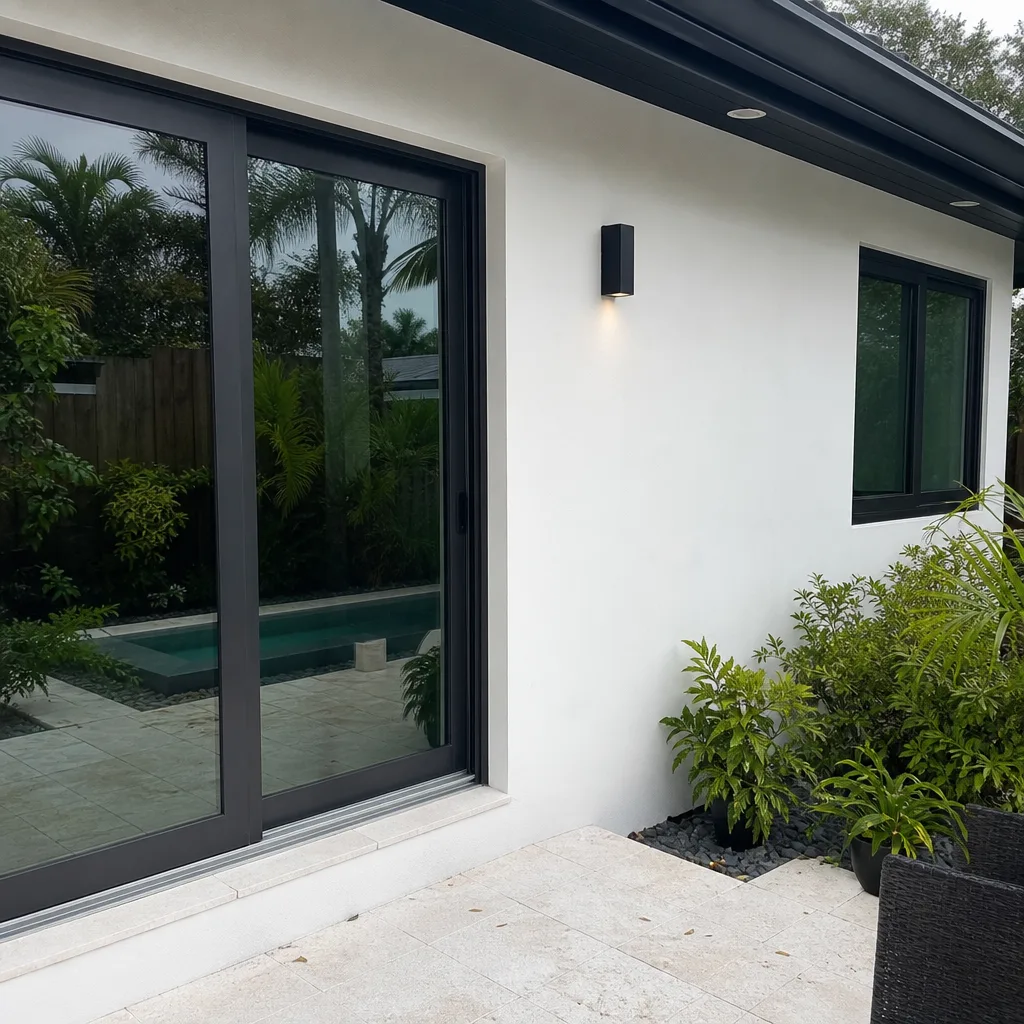
Impact windows are required for new construction in Miami-Dade County and they’re excellent at keeping water out during a hurricane, but their weak point is the sealant joint where the window frame meets the wall. In salt air, that joint degrades faster than anywhere else in Florida. Inspect the caulk bead around every impact window every six months. If you see cracking, separation, or peeling, recaulk with a high-quality polyurethane sealant rated for coastal use. The window itself may be fine, but a failed sealant joint lets wind-driven rain seep into the wall cavity during storms.
Accordion shutters protect windows during hurricanes, but their mounting tracks are screwed into the wall, and every screw hole is a potential water entry point. After hurricane season, check the upper tracks and mounting hardware for rust or loosening. Apply a dab of silicone sealant to any screw that seems loose. Water that gets into those screw holes sits in the wall cavity and can cause rot or mold that you won’t see until it’s already spread.
Stucco exteriors dominate Miami construction, and while stucco handles rain well, it cracks. Hairline cracks happen as the house settles and as the material expands and contracts with Miami’s temperature swings. Any crack wider than 1/16 inch should be sealed. Pay special attention to cracks around windows, doors, and electrical boxes. In Miami’s wet season, wind-driven rain finds those cracks and works its way behind the stucco, where it can sit against the framing for weeks without showing on the interior.
How to Test Indoor Humidity and What the Numbers Mean
Relative humidity (RH) is the amount of moisture in the air compared to what the air can hold at its current temperature. In Miami, outdoor RH routinely runs 70 to 80 percent during the wet season. Indoors, you want to keep it below 60 percent. Here’s how to measure it and what to do with the numbers.
Buy a $15 digital hygrometer from any hardware store or online. Put it in a central part of your home, away from windows, doors, and the kitchen, where cooking steam can skew the reading. Check it at the same time each day, ideally in the morning before the AC has been running hard. Write down the reading for a week so you have a baseline.
If your indoor RH consistently reads 60 percent or above, that’s the point where mold spores can start colonizing porous materials like drywall, wood, and fabric. At 65 percent and above, mold growth accelerates significantly, especially in dark, low-airflow areas like closets, behind furniture, and inside wall cavities. If you’re seeing readings above 60 percent and you can’t bring them down with your AC or a dehumidifier, call a professional. In our experience, a home sitting at 65 percent RH or higher for more than a few weeks is a mold problem waiting to be discovered.
Here’s the humidity checklist:
- Get a digital hygrometer and place it in a central location.
- Record readings daily for one week to establish your baseline.
- Target range: 40 to 55 percent RH indoors year-round.
- Action threshold: 60 percent RH sustained for 3 or more days is time to investigate.
- Red zone: 65 percent RH or higher means you likely have a moisture source that needs to be found.
If your AC is running normally and your humidity won’t come down, check the condensate line first. A clogged line means the AC can’t remove moisture from the air efficiently. If the line is clear and humidity stays high, the problem could be air leaks in your home, an oversized AC unit that short cycles, or an actual water intrusion somewhere you haven’t found yet. We use psychrometric drying equipment (tracking the air’s moisture level so we know when your home is truly dry, not just surface-dry) to assess exactly how much moisture is in your building materials, and a hygrometer is the homeowner’s version of that same vigilance.
The Five Appliance Connections That Fail Silently
Most water damage in Miami doesn’t come from hurricanes or burst mains. It comes from the five connections running inside your walls and behind your appliances that fail slowly, silently, and without warning. Here’s what to check and how often.
1. Dishwasher Hoses
The supply hose running to your dishwasher is under constant pressure and sits in a dark, hot space behind the unit. Rubber hoses age and crack. The connection at the shutoff valve can work loose over time from the vibration of the dishwasher running. Check this connection every 6 months by pulling out the dishwasher (or the access panel) and looking for moisture, mineral deposits, or corrosion. Replace rubber hoses with braided stainless lines.
2. Ice Maker Lines
The ice maker line is a small-diameter plastic or copper tube running from your water supply to the refrigerator. These lines are notorious for developing pinhole leaks that drip slowly behind the fridge, soaking the flooring and the wall behind the unit. Inspect this line every 3 months. If it’s plastic and more than 5 years old, replace it with a braided stainless line. Look for kinks, which are failure points under pressure.
3. Water Heater Pressure Relief Valves
Test this valve once a year, as described in the monthly calendar above. A valve that’s stuck or won’t reseat is a sign that either the valve needs replacement or the water heater itself is under too much pressure. Either way, deal with it immediately. A water heater that ruptures during normal operation can dump 40 to 50 gallons of water, and if it’s in a garage or closet, that water spreads fast.
4. AC Condensate Lines
Your AC produces gallons of condensation every day during Miami’s wet season. The condensate line carries that water away, but algae grows in the dark, moist environment and blocks the line. When it clogs, the water backs up into the drain pan and overflows onto the floor or ceiling below. Clean this line every 90 days during the wet season. Pour a cup of white vinegar or a commercial condensate line cleaner into the access point near the air handler. If you’re not sure where the line is, find the PVC pipe extending from your indoor unit and follow it.
5. Washing Machine Supply Hoses
Washing machine hoses are the most common cause of residential water damage nationwide, and that holds true in Miami. The rubber hoses that come standard with most machines have a useful life of about 3 to 5 years. After that, they’re a ticking clock. Replace them with braided stainless steel hoses, which cost about $20 to $40 for a set. Shut off the water supply to the washer when you’re not using it, especially if you travel. Inspect the hoses every 6 months for bulges, cracks, or stiffness.
Here’s the inspection schedule at a glance:
- Dishwasher hoses: every 6 months
- Ice maker lines: every 3 months
- Water heater pressure relief valve: once a year
- AC condensate line: every 90 days during wet season
- Washing machine supply hoses: every 6 months, replace every 3 to 5 years
What to Photograph Before Hurricane Season Starts
If you ever need to file an insurance claim for water damage, the single most valuable thing you can have is a documented “before” baseline. Insurance adjusters need to see what your home looked like before the damage occurred to properly assess the claim. Most homeowners don’t have that, and it slows the whole process down. Here’s what to photograph every May, before hurricane season starts.
First, walk the exterior and photograph every wall of the house from straight on, from about 20 feet back. Include the roofline, all windows and doors, the foundation line, and any exterior structures like garages or carports. Then move inside and photograph every room from two or three angles. Open closet doors and photograph the ceilings, especially in bathrooms and rooms below bathrooms. Photograph the water heater, the AC air handler, the washing machine hookups, and under every sink.
Save these photos to cloud storage, not just to your phone. Create a folder labeled with the date and “pre-hurricane baseline.” Update it every May. The goal is to have a complete visual record of your home’s condition before each hurricane season. If a storm blows in, damages your roof, and leads to water intrusion, you have a clear before-and-after record that makes the claim faster and more accurate.
While you’re photographing, note the condition of anything that’s already damaged. If you have a crack in a wall or a stain on a ceiling from a previous leak that was repaired, photograph it and note it. This protects you from a claim being denied because the adjuster believes the damage pre-existed the storm.
We coordinate directly with insurance adjusters on Water Damage Restoration in Miami claims, and the homeowners who have this documentation move through the process noticeably faster. Photo documentation is also part of how we work: every job includes before-and-after photos by text, because a homeowner should never have to wonder what was found, what was done, and what it looked like before and after.
Drainage Systems: Gutters, Downspouts, and Grading
Water damage often starts at the roofline and the foundation line simultaneously. Your gutters and downspouts are the first line of defense, and your grading is the last. Both need attention in Miami’s climate, where a single afternoon thunderstorm can dump 2 to 3 inches of rain in an hour.
Clean gutters twice a year at minimum, and more often if you have trees near the house. In Miami, leaves, palm fronds, and debris clog gutters quickly, and a clogged gutter overflows against the fascia board and down the exterior wall. That water can seep behind the stucco and saturate the wall cavity. Downspouts need to discharge at least 4 to 6 feet from the foundation. If your downspout empties right next to the house, you’re feeding water directly into the soil around your foundation, which can lead to shifting, cracking, and water intrusion through the foundation wall.
Check your grading every April. The soil around Miami homes settles over time, and the natural sandy composition erodes. If the ground around your foundation has settled so that water flows toward the house instead of away from it, regrade with compacted fill and make sure gutters are directing water away from the house.
For homes in low-lying areas of Miami, like parts of Little Haiti or the Redland, a backyard sump pump or French drain can be the difference between a dry home and standing water during the wet season. If your yard floods after a heavy rain, even briefly, consider a drainage solution before the water finds its way inside.
Common Mistakes to Avoid
- Ignoring humidity readings above 60 percent. A home sitting at 62 to 65 percent RH for weeks is already in the mold growth zone, even if everything looks dry. Fix the humidity problem before you see the stain.
- Only checking the AC condensate line when it overflows. By the time water is running down your wall or pooling on your floor, the line has been blocked for days. Clean it on a schedule, not as a reaction.
- Leaving rubber washing machine hoses in place past their lifespan. A $25 set of braided stainless hoses replaces a $3,000 to $8,000 water damage bill. If your hoses are more than 5 years old, replace them this week.
- Skipping the April drainage check. Miami’s wet season is punishing. If your gutters are full or your grading is wrong in April, you’ll find out in July when water is running toward your foundation during a thunderstorm.
- Not documenting your home before hurricane season. If you never have a claim, you’ve lost 30 minutes of work. If you do have a claim, you’ve saved yourself weeks of back-and-forth with an adjuster.
- Checking the roof from the ground only. Flat roof ponding, clay tile cracks, and sealant failures around vents are invisible from the ground. You need to actually get up or hire someone who will.
- Ignoring a small leak because it’s “not that bad.” In Miami’s humidity, a small leak in a wall cavity creates the conditions for mold within 48 to 72 hours. The leak is never just the leak.
When to Call a Professional
Some water damage situations are beyond a maintenance checklist. If you see water staining on a ceiling that’s spreading, a musty smell that won’t go away, standing water in your home, or a wall that feels soft or spongy, stop investigating and call a professional. The same applies if your indoor humidity stays above 60 percent after you’ve cleaned the condensate line and run the AC normally, or if you’ve had a water heater failure, a supply line burst, or a sewage backup. These situations require extraction, professional drying equipment, and moisture mapping to find all the hidden damage, not just what you can see. For The Complete Guide to Damage Restoration in Miami, see our detailed resource. Wendell Restoration Miami offers free estimates in Miami, call (850) 909-7064 and we’ll give you a written price before any work starts, never a vague number that changes at the door.
Frequently Asked Questions
You should check your home for water damage every month in Miami, with a deeper inspection each April before the wet season and a quick walk-through after every heavy thunderstorm. The monthly checks take about 30 to 60 minutes and focus on indoor humidity, AC condensate lines, appliance connections, and visible signs of moisture. Miami’s wet season from May through October requires more frequent monitoring because the constant humidity accelerates any damage that starts.
Keep indoor relative humidity below 60 percent in a Miami home, with an ideal target of 40 to 55 percent. Sustained readings at or above 60 percent create conditions where mold can begin colonizing porous materials, and 65 percent or higher accelerates that process significantly. If your home stays above 60 percent after cleaning the AC condensate line and running your AC normally, call a professional to find the moisture source.
The most common hidden water damage sources in Miami homes are AC condensate line clogs, ice maker line pinhole leaks, washing machine supply hose failures, water heater pressure relief valve leaks, and slow leaks from bathroom fixtures. Each of these can drip for weeks or months without visible signs until the damage has spread behind walls, under flooring, and into adjacent rooms. If you suspect hidden water damage, call (850) 909-7064 for a professional assessment.
Prepare your Miami home for hurricane season by photographing every room and exterior wall before June 1, cleaning gutters and downspouts, checking grading around the foundation, inspecting window and door sealant, testing your roof for loose tiles or ponding, and ensuring all appliance connections are in good condition. These steps create both a prevention baseline and an insurance documentation baseline. For more guides & resources on protecting your home, visit our blog. If a storm does cause damage, you’ll have a clear before-and-after record.
Yes, you can prevent mold after a leak in a Miami home by removing the water source, drying affected materials within 24 to 48 hours, and keeping indoor humidity below 60 percent. In Miami’s climate, this usually means professional-grade drying equipment because the ambient humidity works against you and slows natural drying significantly. A small leak that’s dried properly is a repair; a small leak that’s left damp becomes a mold remediation job.
Wendell Restoration Miami answers every call with a live person, 24/7, and we give you a written price before any work starts, not an estimate that changes once a technician arrives. You always get a live arrival time you can track, and background-checked, uniformed technicians who follow IICRC, RIA, and IFA standards on every job. Call (850) 909-7064 for a free estimate in Miami.
The Bottom Line
Water damage prevention in Miami is a rolling routine, not a once-a-year task. The mold that appears after a hurricane started growing during the humidity spike before landfall. The water stain on your ceiling was fed by a leak that began months earlier. If you live in Miami, you need to work with the climate, not against it: dry-season prep from November through April, wet-season monitoring from May through October, and monthly attention to the five silent failure points: humidity, AC condensate lines, water heater relief valves, ice maker lines, and washing machine hoses. Document your home before every hurricane season. Keep your drainage moving. And if something does go wrong, get a written price before any work starts, from a company that answers the phone. Call Wendell Restoration Miami at (850) 909-7064 for a free estimate and we’ll tell you exactly what the repair costs, before we touch a single tool.
Written by Blake Sorensen, Owner at Wendell Restoration Miami, serving Miami since 2006.
See the difference
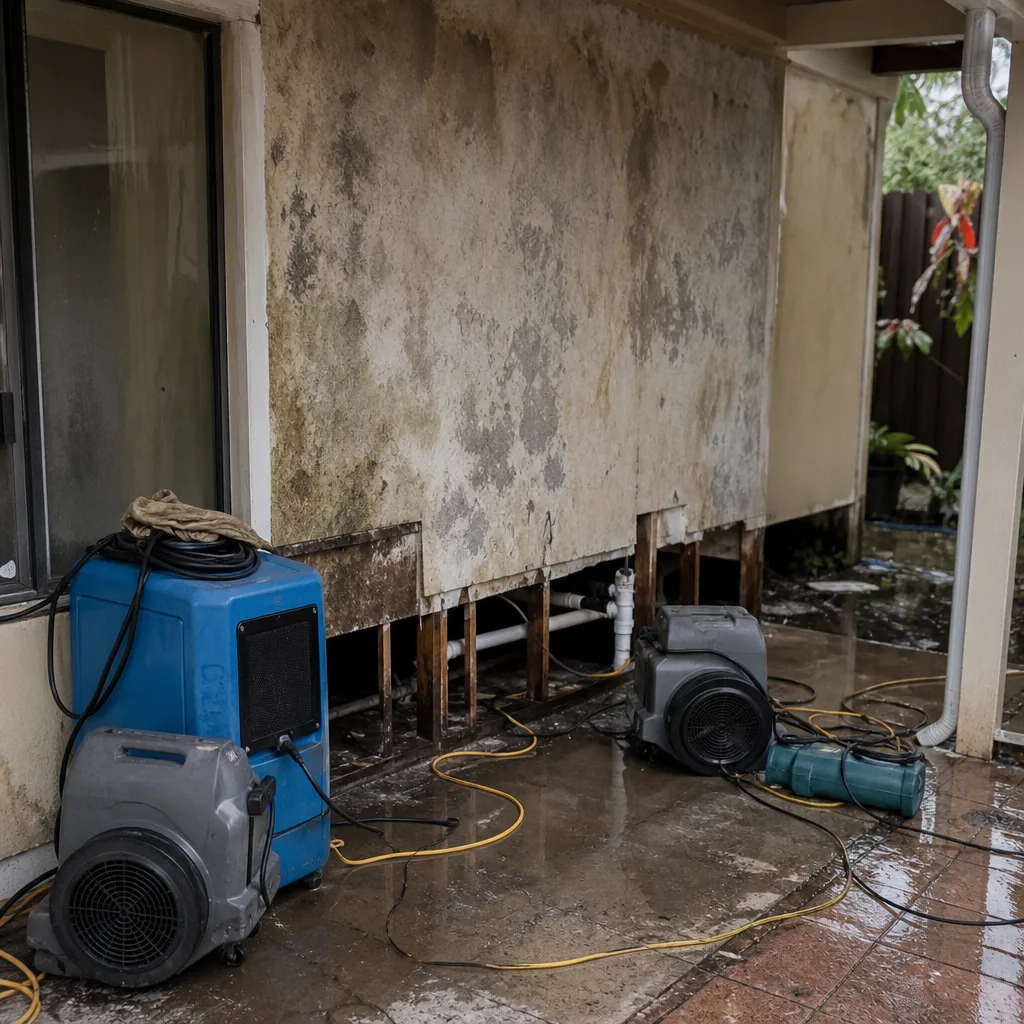 Before
 After
After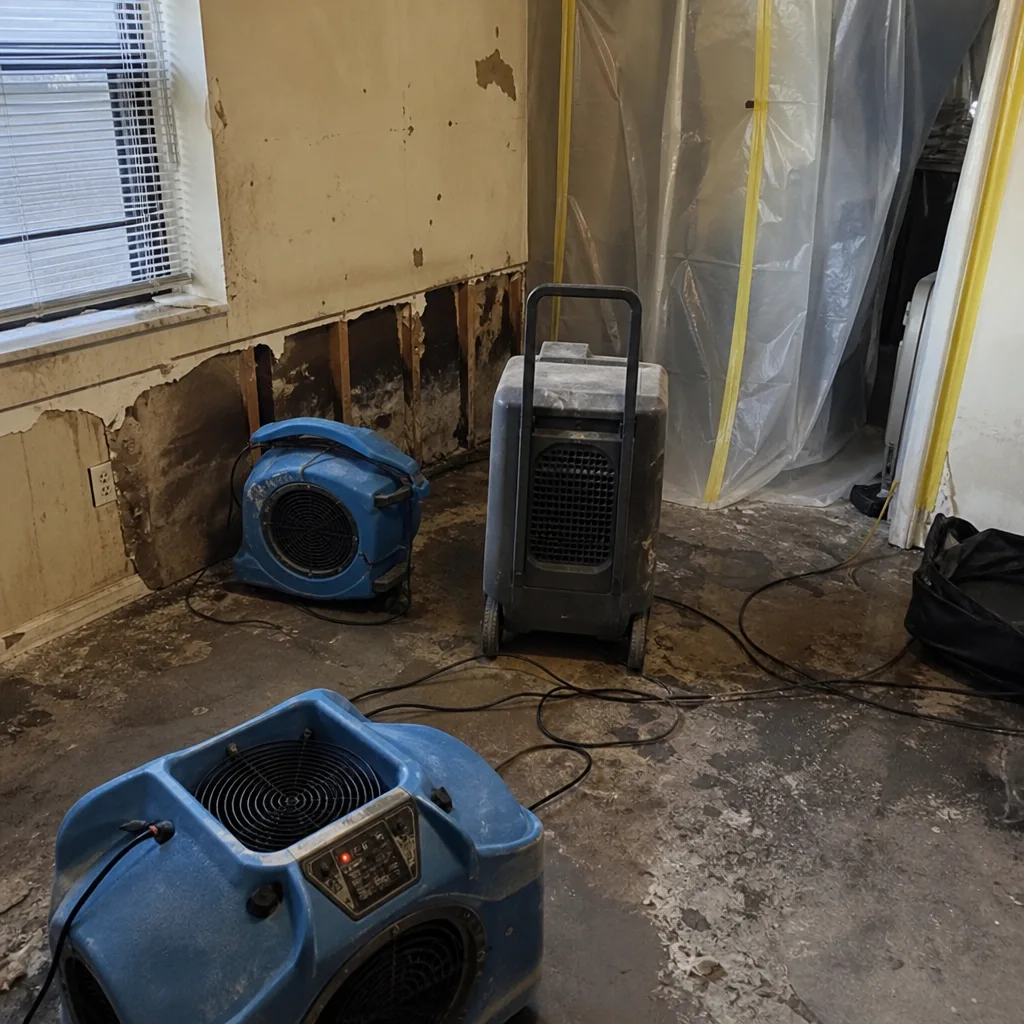 Before
 After
After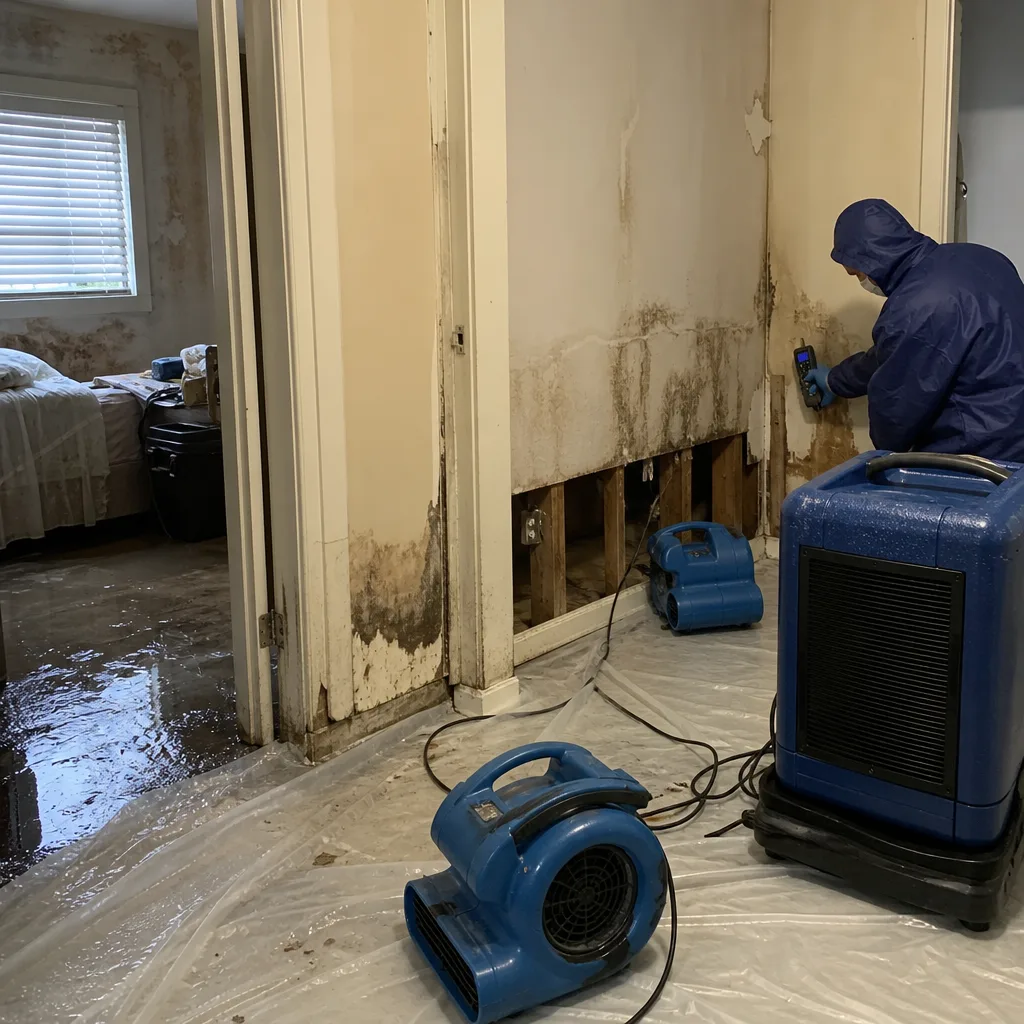 Before
 After
After